
Marasmiellus vaillantii
Marasmiellus vaillantii
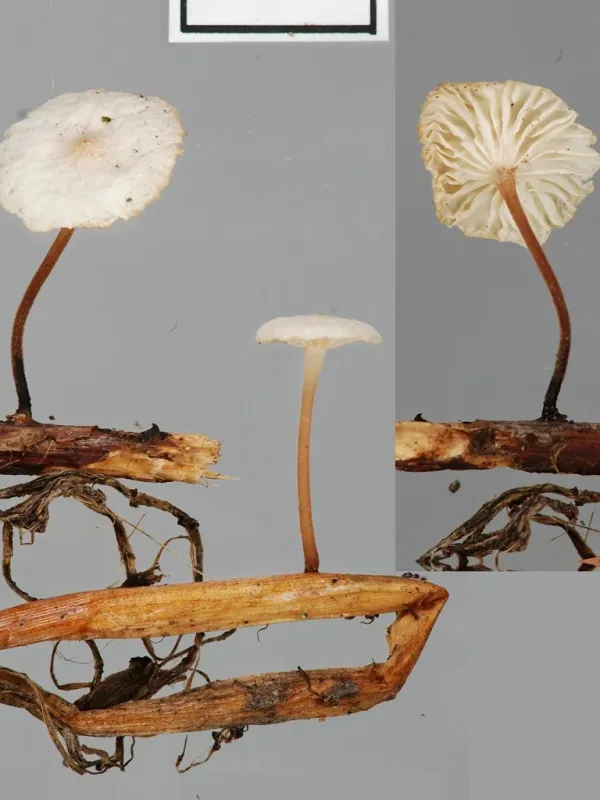
Description
Pathogen
Marasmiellus vaillantii is a basidiomycetous fungus belonging to the Marasmiaceae family. While primarily recognized as a saprotrophic organism that thrives on decaying plant material, it can act as a stress-induced pathogen in various agricultural crops.
The fungus produces small, white or cream-colored basidiocarps, which are often visible on the surface of plant debris. The vegetative body, known as the mycelium, actively penetrates plant tissues, utilizing cellulose and lignin as primary carbon sources.
The life cycle of the pathogen is centered around the decomposition process, but it can shift to infect live tissue when the host plant's immune system is compromised. It survives adverse conditions primarily through its persistent mycelium in the soil.
Dispersal is primarily achieved through basidiospores, which are spread by wind currents. Furthermore, the mycelium can spread through direct contact with contaminated soil or infected crop residues left on the field surface.
This fungus exhibits significant ecological plasticity, allowing it to adapt to diverse moisture levels and temperature regimes found in various agricultural environments globally.
Conditions for development
The development of Marasmiellus vaillantii is strictly regulated by the availability of moisture. High relative humidity (exceeding 80%) and the presence of surface moisture are essential for the germination of spores and mycelial colonization.
The accumulation of plant residues on the soil surface is the primary factor facilitating the spread of the fungus. Poor ventilation in dense plant canopies creates a microclimate characterized by high humidity and still air, which accelerates fungal proliferation.
Temperature plays a crucial role in the growth rate of the fungus, with mild conditions between 15°C and 22°C being optimal. During these temperatures, the fungus can rapidly colonize available substrates.
Agricultural practices that involve minimal soil disturbance without proper residue management contribute to a higher inoculum density. When debris is left on the surface, it provides a continuous bridge for the fungus to persist from one season to the next.
Poor soil aeration and waterlogging are environmental factors that promote the growth of the pathogen. These conditions typically weaken the root systems of crops, making them more susceptible to colonization by the mycelium.
Why it matters
The primary damage caused by Marasmiellus vaillantii involves the infection of the root collar and lower stem sections. This disrupts the plant's vascular system, hindering the transport of water and nutrients, which results in visible chlorosis and wilting.
By producing extracellular enzymes, the fungus softens the host tissues, creating entry points for secondary pathogens like soft-rot bacteria. This weakens the entire plant and often leads to a significant decrease in overall vitality.
Field-level harm is observed as uneven plant emergence and stunted growth in affected areas. In severe cases, the infected stems may lodge due to the degradation of mechanical tissues, complicating harvest operations and reducing yields.
The fungal activity can lead to a decrease in the quality of the harvested produce. If the fungus reaches the grain or fruit-bearing parts, it can affect the chemical composition and shelf life of the crop.
Furthermore, the increased rate of tissue decomposition by the fungus can result in localized patches of crop death, particularly in areas where moisture remains trapped in dense foliage or ground-level residues.
Protection
Integrated management is essential for controlling Marasmiellus vaillantii. Crop rotation serves as a fundamental method to break the life cycle of the fungus, preventing the buildup of inoculum in the field over multiple years.
Deep incorporation of plant residues into the soil is highly recommended. This practice exposes the fungal colonies to soil microorganisms and promotes rapid decomposition, effectively removing the pathogen's primary food source.
- Adjusting seeding density to ensure adequate air circulation.
- Using registered fungicides when field monitoring indicates high infection pressure.
- Applying chemical decomposers to wheat stubble or crop residues after harvest.
- Selecting crop varieties with higher levels of resistance or vigor.
- Improving soil drainage to prevent waterlogging and reduce fungal habitats.
Balanced fertilization, particularly with adequate potassium, strengthens plant cell walls and enhances the host's natural immunity against pathogen invasion. A healthy plant is significantly more capable of resisting fungal penetration.
Regular monitoring of field conditions during wet, humid periods is crucial. Early detection of fungal activity allows for timely intervention, such as the application of protective fungicides, which helps to contain the spread of the infection to the rest of the field.
Discussion
No discussions yet — be the first.