
Lysobacter
Lysobacter
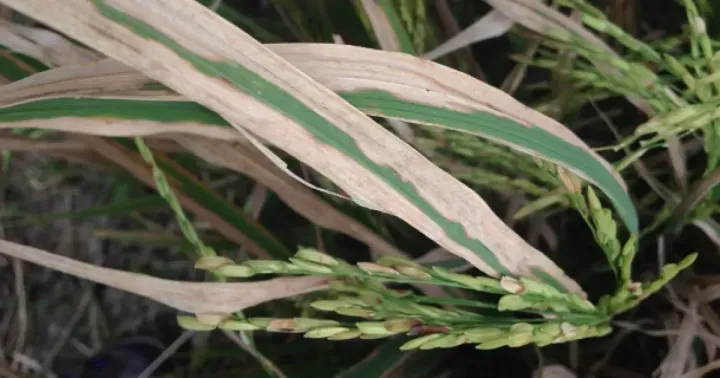
Description
Symptoms
Symptoms of Lysobacter infection typically begin with the appearance of water-soaked lesions on the leaf surface, which gradually darken to a brown or necrotic stage.
Vascular system colonization is a common feature, often leading to sudden wilting and leaf chlorosis even when soil moisture appears to be adequate.
In highly humid environments, an opaque or yellowish bacterial exudate may emerge from the infected tissues, which is a diagnostic indicator of bacterial involvement.
Root systems of affected plants often show signs of decay, including browning, softening, and a lack of firm, healthy root structures due to bacterial enzymatic breakdown.
As the infection progresses, the entire plant may show stunted growth, leaf distortion, and premature abscission, eventually leading to plant death if untreated.
Pathogen
Lysobacter is a genus of Gram-negative, rod-shaped bacteria known for their remarkable metabolic diversity, including the production of specialized enzymes that can degrade plant tissues.
While some strains are beneficial and used as biocontrol agents, specific species within the genus are recognized as opportunistic plant pathogens capable of causing significant vascular diseases.
The pathogenicity of these bacteria is linked to their ability to secrete extracellular enzymes, such as proteases and chitinases, which facilitate the breakdown of plant cells and tissues during infection.
These bacteria are soil-borne and can persist in organic matter, water sources, and infected plant debris for extended periods, serving as a constant threat to subsequent crops.
Transmission primarily occurs through irrigation water, contaminated farming equipment, and physical contact between infected and healthy plant tissues in crowded conditions.
Conditions for development
The development of Lysobacter-related diseases is favored by high humidity (relative humidity above 80%) and warm temperatures, generally ranging from 22°C to 28°C.
Free water on the plant surface is essential for the bacteria to penetrate the epidermal layer, making early morning dew or poorly designed overhead irrigation critical risk factors.
Poor soil drainage and waterlogging create anaerobic or semi-anaerobic conditions that are conducive to the multiplication of these bacterial populations in the rhizosphere.
Excessive nitrogen fertilization often results in succulent plant tissue, which is significantly more susceptible to enzymatic degradation by Lysobacter.
The presence of dense crop stands with limited airflow creates a microclimate that prevents leaves from drying out, thereby promoting the rapid spread of the pathogen.
Why it matters
The primary economic harm caused by Lysobacter is the potential for rapid crop loss, as the bacteria can spread through entire fields under favorable conditions.
Infected crops suffer from reduced photosynthetic capacity, which directly results in lower yields and poor fruit quality, making them unsuitable for commercial markets.
Systemic infection makes the pathogen difficult to manage, as it often colonizes the internal tissues where surface-applied treatments may not reach effectively.
Post-harvest losses are also significant, as the enzymatic activity of the bacteria continues to degrade the harvested produce during transport and storage.
The presence of Lysobacter often necessitates the destruction of large swaths of crops, leading to significant financial burden for producers and potential long-term soil contamination.
Protection
Effective management begins with strict sanitation practices, including the removal and destruction of all crop debris immediately after harvest to reduce inoculum levels.
Crop rotation remains a fundamental strategy, ensuring that fields are rested from susceptible hosts to allow natural bacterial populations to stabilize.
Optimizing water management, particularly shifting to drip irrigation, helps maintain dry foliage and reduces the likelihood of bacterial penetration.
- Regular disinfection of tools and machinery using alcohol or bleach solutions.
- Selection of resistant or less susceptible plant varieties.
- Balanced fertilization to avoid excessive vegetative growth.
- Use of copper-based bactericides as a preventative measure.
Regular monitoring of field conditions is essential to detect early symptoms and initiate mitigation strategies before the infection spreads to healthy zones.
Discussion
No discussions yet — be the first.