
Lophomerum
Lophomerum
Description
Symptoms
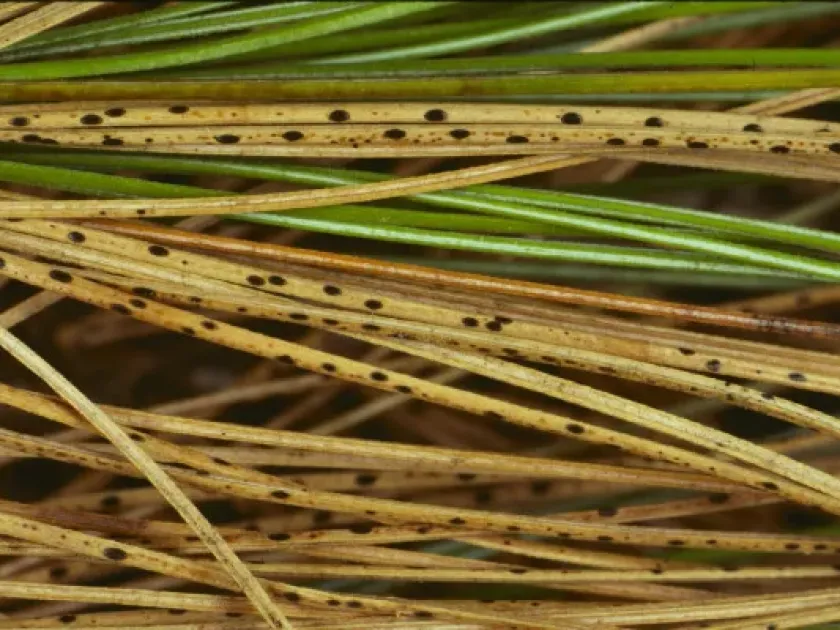
The primary symptom of a Lophomerum infection is the discoloration of needles, which turn from green to yellow, and then to a characteristic brown or reddish-brown hue.
Small, black, elongated fruiting bodies (apothecia) are visible on the surface of the needles as the disease progresses. These structures eventually rupture the epidermis to release spores.
Premature needle cast is a hallmark of this disease. Affected branches lose their foliage significantly earlier than healthy branches, leading to a thin and sparse canopy appearance.
Symptoms often manifest initially on the lower branches of the tree, as these areas tend to retain moisture longer, providing a perfect environment for fungal infection.
In advanced stages, the loss of needles over several consecutive years leads to significant crown thinning. Diagnosis is usually confirmed by microscopic identification of the fungal fruiting bodies.
Pathogen
Lophomerum is a genus of fungi within the order Rhytismatales that causes needle cast diseases in various conifer species. These fungi are obligate parasites that specialize in infecting needles.
The fungus completes its life cycle by producing apothecia, which appear as small dark structures on the surface of infected needles. These structures are responsible for the discharge of spores that perpetuate the infection.
Mycelium growth occurs within the internal needle tissue, gradually causing decay and eventual needle death. The fungus thrives by utilizing the plant's resources for its reproductive development.
These pathogens show a high degree of host specificity, meaning certain species of Lophomerum are restricted to specific coniferous hosts. This biological specialization influences their distribution pattern.
Survival of the fungus is primarily maintained in the needle litter under the canopy, where the pathogen can overwinter and initiate new infections once conditions become favorable.
Conditions for development
Prolonged wet and humid weather conditions are the most critical factors for the development and spread of Lophomerum. Moisture is essential for spore germination and colonization.
Trees that are stressed due to drought, nutritional deficiencies, or mechanical damage are significantly more susceptible to infection by this fungal genus.
Poor air circulation, often caused by overcrowding or dense planting, facilitates the accumulation of humidity and the rapid spread of spores between individual trees.
The optimal temperature range for the activity of the fungus is typically between 15°C and 20°C. In such conditions, the fungal pathogen can spread efficiently within the plantation.
The accumulation of infected needle litter beneath the host tree is a major risk factor. This litter acts as a reservoir, fueling the infection cycle year after year if not managed.
Why it matters
The disease primarily harms trees by causing premature needle drop, which significantly reduces the tree's photosynthetic capacity and slows its annual growth rate.
Chronic infections lead to weakened physiological health, making the trees more vulnerable to secondary infestations by bark beetles and other opportunistic pests.
In ornamental nursery settings, Lophomerum causes severe aesthetic damage, rendering the affected plants unsalable and leading to direct economic losses for growers.
Extensive infections in forest stands can lead to localized decline or mortality, especially among younger trees that are less capable of coping with severe foliage loss.
- Reduced annual biomass increment in coniferous stands.
- Increased susceptibility to secondary pathogens.
- Loss of aesthetic value in urban and decorative landscapes.
- Potential mortality in young or already stressed populations.
Protection
Sanitation is the most effective management strategy; removing and destroying infected needle litter helps break the infection cycle and reduces the inoculum level.
The application of protective fungicides, particularly copper-based formulations, is recommended during the period when spores are being released and are most vulnerable.
Implementing proper spacing between trees during planting ensures better air circulation, which lowers the humidity levels within the canopy and discourages fungal growth.
Good silvicultural practices, including balanced fertilization and timely pruning, help maintain tree vigor, allowing the plant to better resist or recover from infections.
Regular inspections of the canopy, especially in early spring, allow for early detection of the disease, enabling prompt action before the infection spreads to the entire plantation.
Discussion
No discussions yet — be the first.