
Lophodermium needle cast
Lophodermium ravenelii
Description
Symptoms
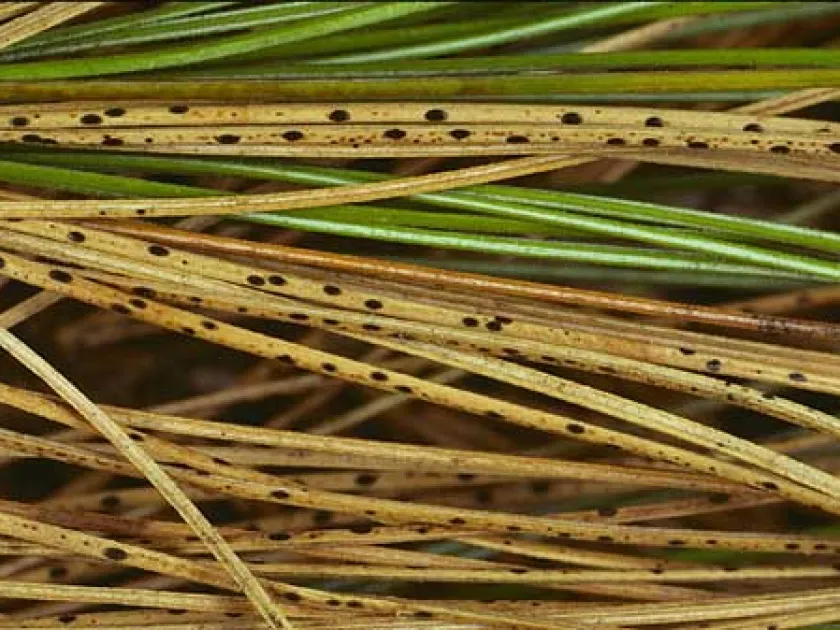
The initial symptoms are often subtle, appearing as small chlorotic yellow spots on the needles. As the infection progresses, these spots expand into brown or reddish-brown lesions.
A distinctive feature of this disease is the appearance of small, elongated, black, and glossy fruiting bodies (apothecia) on the surface of the dead or dying needles.
Heavily infected needles typically become brittle and fall off prematurely. This results in significant needle drop, particularly in the lower portions of the tree crown.
The foliage may take on a blighted or scorched appearance, which is often mistaken for winter burn or drought stress by inexperienced observers before the fruiting bodies become visible.
Microscopic examination of the needles reveals internal mycelial development, which effectively blocks the conductive tissues and causes the needle to wilt and eventually necrose.
Pathogen
The disease is caused by the ascomycete fungus Lophodermium ravenelii. This specialized pathogen primarily targets the needles of various coniferous species, causing significant tissue damage.
The fungus operates as a parasite, invading the host through stomata. Once inside, it colonizes the needle tissues, disrupting their internal structure and depleting the host's nutrient reserves.
The pathogen completes its life cycle by forming reproductive structures known as apothecia, which appear on the surface of infected needles during the spring or early summer months.
Overwintering occurs on needles that have dropped to the forest floor or those that remain attached to the branches. These infected needles serve as the primary reservoir for new spores.
During wet weather, the fungus releases ascospores into the air, which are then carried by wind or rain to healthy foliage, initiating new infection cycles across the plantation.
Conditions for development
Lophodermium needle cast thrives in environments with high humidity and moderate temperatures. Persistent rainfall during the spring is the primary driver of infection spread.
Dense planting patterns are a major risk factor, as they restrict airflow within the canopy. Stagnant air keeps foliage wet for longer periods, facilitating fungal germination.
Trees that are already stressed—due to poor soil quality, competition for light, or insufficient nutrition—are significantly more susceptible to Lophodermium ravenelii colonization.
The timing of spore release coincides with periods of high moisture, making wet springs particularly dangerous for young, vulnerable plantations located in low-lying, poorly drained areas.
Poor sanitation, specifically the failure to remove infected debris, allows the fungus to survive locally, ensuring that the disease returns to the same site every growing season.
Why it matters
The primary damage is the loss of photosynthetic capacity due to premature needle drop. This limits the tree's ability to produce energy, leading to reduced growth rates.
Persistent infection weakens the overall health of the tree, making it highly vulnerable to secondary infestations by bark beetles and other wood-boring insects that target stressed conifers.
In nurseries, this disease can cause devastating losses, potentially killing young seedlings outright or rendering them unfit for sale due to their unsightly and unhealthy appearance.
For landscape trees, the loss of lower branches and the blighted look of the needles significantly reduce the aesthetic and property value of the specimens in home gardens.
If left unmanaged, chronic infections can lead to the slow decline and death of mature trees, especially when combined with other environmental pressures like climate change or pollution.
Protection
Effective management begins with strict sanitation: collecting and destroying fallen needles to eliminate the source of spores for the next season's infection cycle.
Pruning out heavily infested branches can help improve air circulation and reduce the inoculum load within the tree, slowing the progression of the disease.
Fungicide applications are recommended as a preventive measure, especially in high-risk areas or nurseries. Timing is critical, with treatments applied before the peak spore release periods.
- Regular application of copper-based fungicides.
- Ensuring proper spacing between trees to improve ventilation.
- Using balanced fertilizers to promote vigorous growth and natural resistance.
Selecting and planting resistant species or varieties is the most sustainable long-term strategy for managing the risk posed by this pathogen in forest and landscape settings.
Discussion
No discussions yet — be the first.