
Lophodermium needle cast
Lophodermium orientale
Description
Symptoms
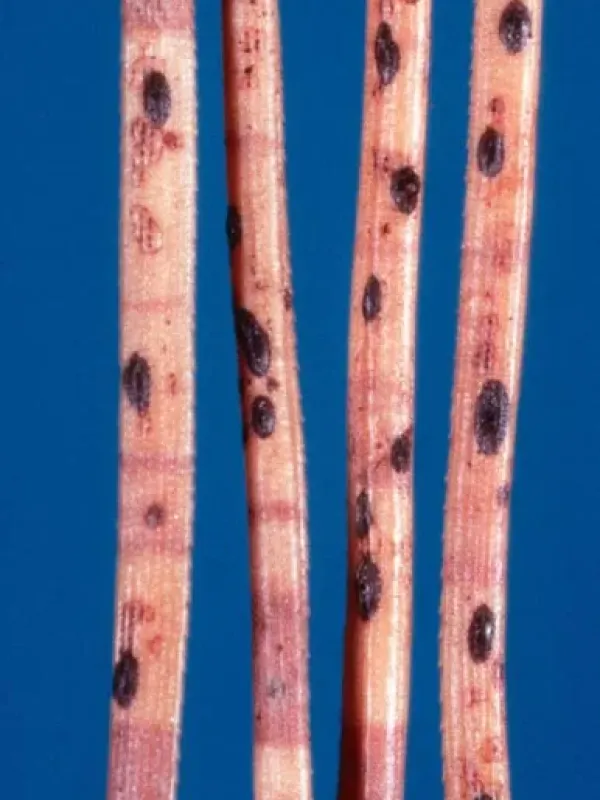
Initial symptoms include discoloration of the needles, which transition from a healthy green to a dull yellow and eventually turn brown or reddish-brown as the infection progresses.
A distinctive diagnostic feature of this disease is the appearance of thin, black transverse lines across the surface of the infected needles. These lines mark the boundaries of the fungal invasion.
As the disease advances, black, elliptical fruiting bodies (apothecia) erupt through the needle surface. These structures are easily visible and indicate that the fungus is ready to release spores.
Premature needle cast is a common sign of infestation. Affected needles fall off well before their natural lifecycle ends, leaving the branches bare and significantly reducing the tree's photosynthetic capacity.
In severe cases, the entire crown of the tree may appear thin and discolored. Young trees often show signs of stunted growth and may suffer from branch dieback if the infection remains unchecked.
Pathogen
The disease is caused by the ascomycete fungus Lophodermium orientale. It is a specialized pathogen that primarily targets pine species, affecting the health of needles in both forest settings and nurseries.
The fungus reproduces through apothecia, which are small, black, elongated fruit bodies that appear on dead or dying needles. These structures release spores during cool and wet weather conditions.
Spore dispersal occurs primarily via wind and rain splash. Once spores land on susceptible pine needles, they germinate and penetrate the epidermal layer to establish an infection within the tissue.
Lophodermium orientale is known for its ability to persist in forest debris. The mycelium can remain viable in fallen needles for extended periods, providing a source of inoculum for the next growing season.
The biology of this fungus is intrinsically linked to the host's physiological status, with young, stressed, or poorly maintained saplings showing the highest levels of susceptibility.
Conditions for development
The development of Lophodermium needle cast is favored by cool, wet weather, particularly during the spring and autumn months. High humidity and prolonged rain provide the optimal environment for spore germination.
Overcrowded plantations and nurseries create poor air circulation, which prevents needles from drying out. This persistent surface moisture is a key driver for the rapid spread of the fungus among saplings.
Lack of proper solar exposure, especially in the lower canopy or shaded areas, contributes to the severity of the infection. Moist and shaded conditions are ideal for the fungal development cycle.
Trees experiencing stress from poor soil nutrition, drought, or insect damage are significantly more susceptible to Lophodermium orientale. A weak host cannot effectively defend against the fungal mycelium.
Accumulation of infected needle litter beneath trees creates a constant source of inoculum. This makes it difficult to eradicate the disease if sanitation practices are neglected.
Why it matters
Lophodermium needle cast is particularly damaging in forest nurseries, where it can cause high mortality rates among young pine seedlings. This results in severe financial losses and reforestation delays.
In mature trees, the disease leads to a chronic reduction in growth and wood quality. The cumulative loss of needles impairs the tree's ability to produce energy, weakening its resistance to other pests and diseases.
The weakened state of the tree makes it vulnerable to secondary infestations by bark beetles and other wood-boring insects. This can accelerate the decline and eventual death of the affected trees.
For ornamental and Christmas tree plantations, the disease ruins the aesthetic appeal and marketability of the stock. Needle drop and discoloration make the trees unsuitable for decorative purposes.
In forest ecosystems, the disease can disrupt the ecological balance, potentially leading to the replacement of valuable pine stands by more resistant, but less commercially or ecologically important species.
Protection
Effective management begins with the use of disease-free planting stock. Selecting resistant varieties or species suited to the local climate is the best long-term strategy for preventing outbreaks.
Good nursery practices, such as maintaining appropriate plant spacing, are essential to ensure adequate airflow. This prevents the moisture accumulation that the fungus requires to thrive.
Chemical control involving the application of registered fungicides is effective during the periods of peak spore dispersal. Proactive spraying can suppress fungal activity and protect new growth.
Sanitation is a vital component of control. Removing and destroying fallen, infected needles significantly reduces the amount of inoculum available in the environment, limiting the potential for reinfection.
- Monitor tree health regularly, especially during cool and rainy weather.
- Promote tree vigor through balanced fertilization and correct site selection.
- Use biological control agents where appropriate to suppress fungal growth.
- Avoid over-watering in nursery settings to keep the canopy as dry as possible.
Discussion
No discussions yet — be the first.