
Lophodermium nitens
Lophodermium nitens
Description
Symptoms
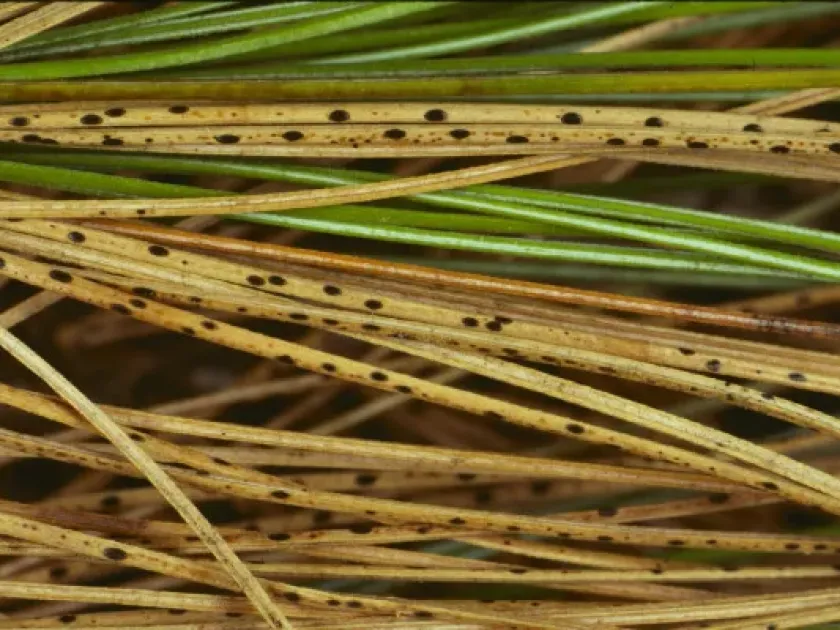
Initial symptoms include the yellowing of needles, which eventually transition into a dull brown color as the tissue dies due to fungal activity.
Black, shiny fruiting bodies appear on the surface of infected needles, often arranged in distinct rows, which is a key diagnostic feature.
Dark transverse lines often mark the boundaries between healthy green tissue and the infected necrotic areas of the pine needles.
The epidermis of the needle may show small swellings or blisters where the fungal structures develop, eventually rupturing to release spores.
Severe infestations lead to massive needle shedding, particularly in the lower parts of the tree canopy, which can cause significant thinning of the crown.
Pathogen
Lophodermium nitens is an ascomycete fungus that acts as a pathogen specifically targeting pine needles, leading to premature needle drop and tree weakening.
The fungus completes its life cycle primarily on shed pine needles, where it develops its characteristic shiny, black fruiting bodies known as apothecia.
Infection spreads through the dispersal of spores by wind, which is facilitated by high humidity levels and precipitation during the growing season.
Upon landing on susceptible needles, the spores germinate and the fungal hyphae enter the plant tissue through the stomata, initiating the infection.
The pathogen remains active within the needle tissue, breaking down cellular structures and eventually leading to the death of the colonized portion of the needle.
Conditions for development
High humidity and consistent moisture are the most critical factors for the successful germination and spread of Lophodermium nitens spores.
Densely planted forests or landscapes with poor air circulation create a microclimate that prevents the drying of needles, promoting fungal growth.
Frequent rainfall and foggy weather conditions during the summer and autumn months are highly conducive to the proliferation of the disease.
Plants that are physiologically stressed due to nutrient deficiencies or poor soil conditions are significantly more susceptible to infection.
Accumulation of leaf litter and shed needles under trees provides a stable, long-term reservoir for the pathogen to survive and re-infect the tree annually.
Why it matters
The primary damage caused by this disease is the loss of photosynthetic surface area, which slows down the tree's growth and limits its ability to store energy.
In tree nurseries, an outbreak can be devastating, resulting in high mortality rates among young seedlings and substantial economic losses.
Continuous needle drop weakens the overall structure and health of the tree, making it susceptible to secondary stressors like bark beetles or drought.
Ornamental pines lose their aesthetic appeal and vigor, becoming unsightly and potentially leading to the need for complete tree removal in severe cases.
Reduced vigor over several years can lead to the mortality of branch systems or the entire tree, especially in already compromised environmental conditions.
Protection
Effective management begins with proper site selection and ensuring adequate spacing between trees to facilitate air movement and minimize humidity.
Regular sanitation, including the raking and removal of fallen needles, is essential to reduce the inoculum load and prevent re-infection cycles.
Fungicidal sprays containing copper or other recommended active ingredients can be applied preventatively during peak spore release periods.
Maintaining tree health through proper fertilization and watering helps build resilience against fungal pathogens and assists in recovery.
- Implement a strict sanitation routine to remove contaminated litter.
- Use fungicides preventatively during wet spring and autumn weather.
- Avoid over-crowding in young plantations to improve crown ventilation.
Discussion
No discussions yet — be the first.