
Lophodermium needle cast of juniper
Lophodermium neesii
Description
Symptoms
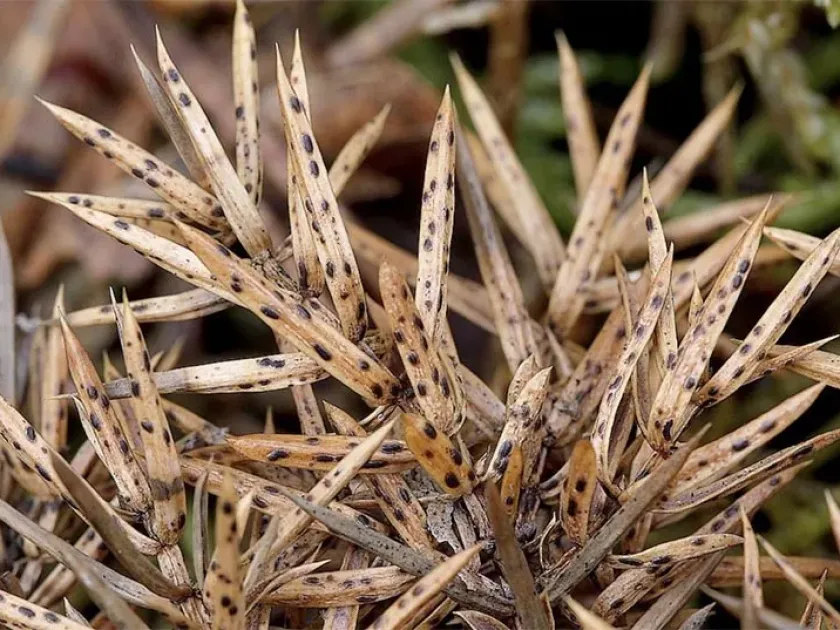
Initial symptoms are characterized by the yellowing of needles, which eventually turn a distinctive dull brown or reddish-brown color as the infection progresses.
A key diagnostic feature is the persistence of dead needles on the branches, which creates a visible, unsightly blight across the juniper's natural green foliage.
Upon closer inspection, particularly in damp conditions, small black, elongated fruiting bodies can be observed on the surface of the discolored needles.
As the disease worsens, the needles begin to drop, leading to sparse foliage and the eventual death of individual branches or even the entire plant if left untreated.
- Yellowing and browning of juniper needles.
- Premature needle drop during the season.
- Presence of small black fungal fruiting bodies.
- Thinning of the juniper crown foliage.
- Visible blight on branches leading to dry patches.
Pathogen
The disease is caused by the fungus Lophodermium neesii, a specific pathogen that targets various species of juniper. It belongs to the order Phacidiales and is known for causing significant damage to the foliage of host plants.
The fungus survives the winter period within the infected needles, where it maintains its mycelium. As environmental conditions improve, it produces fruiting bodies that release spores.
These spores are highly mobile and are spread across the canopy by wind currents and splashing rain, facilitating the rapid expansion of the fungal colony throughout the plant.
The pathogen exploits the biological structure of the needle, entering through the stomata and subsequently colonizing the internal tissues, disrupting the plant's vital functions.
It thrives under specific climatic conditions, often causing repeated cycles of infection if the initial outbreak is not controlled early in the growing season.
Conditions for development
The development of Lophodermium needle cast is highly dependent on humidity levels. Extended periods of rainfall and frequent fog are primary drivers of spore dispersal.
Planting junipers in areas with poor drainage or stagnant air increases the risk of infection, as these conditions provide an ideal environment for the fungus to multiply.
Overcrowded plantations restrict sunlight and airflow, making it difficult for the foliage to dry out, which significantly increases the susceptibility of the shrubs.
Optimal temperatures for the growth of this pathogen usually range between 12°C and 20°C, typical for the spring and autumn periods in many regions.
Stress factors such as drought or poor soil nutrition can weaken the juniper, making it more prone to fungal attacks and hindering its ability to recover from the disease.
Why it matters
This fungal disease significantly degrades the aesthetic value of juniper plantings, often ruining the visual appeal of landscape designs and garden beds.
By killing the needles, the fungus impairs the plant's photosynthetic capacity, leading to reduced vigor and stunted growth in both young and mature plants.
Severe and repeated infections can result in permanent structural damage to the shrub, as dead branches may not regenerate, leaving the plant permanently disfigured.
In nursery environments, an outbreak of Lophodermium needle cast can lead to heavy economic losses, as infected stock is often unsellable or requires costly treatments.
Furthermore, untreated plants serve as a persistent source of inoculum, endangering other nearby healthy juniper specimens and making disease management increasingly difficult.
Protection
Management begins with strict sanitation: all infected branches and fallen needles should be removed and destroyed to reduce the fungal spore population.
Preventative applications of copper-based fungicides are highly recommended in the spring and autumn to create a protective barrier on the needle surfaces.
Proper horticultural practices, such as ensuring adequate spacing between plants and regular pruning, help improve airflow and reduce humidity around the foliage.
If an active infection is present, systemic fungicides should be applied to inhibit fungal mycelium growth from within the plant tissues effectively.
Maintaining plant health through balanced fertilization and appropriate irrigation, avoiding overhead watering, is crucial for improving the shrub's natural resistance.
Discussion
No discussions yet — be the first.