
Spruce needle cast
Lophodermium macrosporium
Description
Symptoms
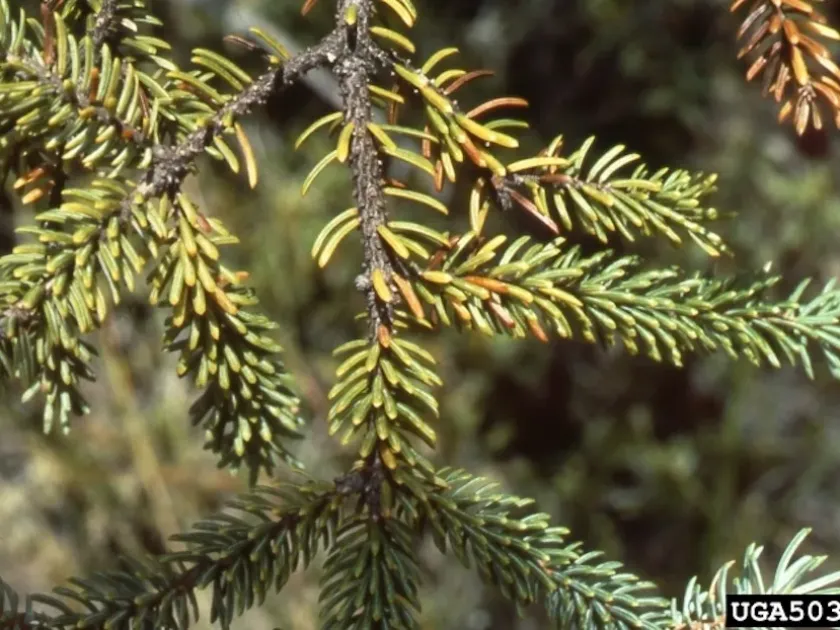
The initial symptoms include yellowing and browning of the needles, usually starting from the lower parts of the tree and spreading upwards.
A hallmark of the infection is premature needle drop, which leaves the branches looking bare and significantly reduces the tree's overall canopy density.
Small, elliptical, black fruiting bodies appear on the underside of the needles, which is a definitive sign of the presence of the fungus.
Affected needles often show dark, transverse lines, which are indicative of the internal development of the fungal mycelium.
The needles eventually become brittle, dry, and lose their vibrant color, leading to a general unhealthy appearance of the entire spruce tree.
Pathogen
The causative agent of the disease is the ascomycete fungus Lophodermium macrosporium, which specifically targets spruce needles.
The fungus develops within the needles, forming distinctive fruiting bodies known as apothecia, which appear as black, shiny structures on the surface.
This pathogen survives on fallen needles throughout the year, serving as a primary source of inoculum for healthy trees during the spring season.
The fungus penetrates the tree tissues through the stomata and begins to colonize the interior, disrupting normal physiological processes of the needle.
It is classified as a needle cast disease that thrives in humid environments, frequently affecting nursery seedlings and dense spruce stands.
Conditions for development
The disease development is heavily dependent on high moisture levels and mild temperatures, particularly during rainy and overcast weather in the spring.
Overcrowded plantings prevent adequate airflow, causing humidity to remain high around the needles and facilitating the germination of fungal spores.
Insufficient sunlight in the lower parts of the forest canopy creates a microclimate where the fungus can reproduce and infect trees more effectively.
Spores are dispersed by water splashes and wind, allowing the disease to spread rapidly to adjacent trees within a forest or a nursery.
Stressed trees, particularly those suffering from nutrient deficiency or poor drainage, are significantly more susceptible to infection by the pathogen.
Why it matters
The primary damage caused by the fungus is the severe weakening of the tree due to the loss of photosynthetic capacity from premature needle cast.
Prolonged infection can lead to stunted growth and reduced vigor, making the tree less resilient to environmental stressors like frost and drought.
In forest nurseries, this disease can cause high mortality rates among young plants, leading to substantial economic and ecological losses.
Trees affected by needle cast are often prone to secondary attacks by pests, such as bark beetles, which can further jeopardize tree health.
The disease ruins the aesthetic quality of spruce trees, making them unsuitable for landscaping or ornamental purposes in parks and gardens.
Protection
The most important preventive measure is strict sanitary maintenance, including the collection and destruction of fallen, infected needles.
Improving air circulation by thinning out dense stands or selectively pruning lower branches is essential to reduce the humidity levels.
Applying copper-based fungicides or systemic chemical treatments during the spring is an effective way to manage and limit the fungal spread.
Maintaining proper tree nutrition helps boost the spruce's natural defense mechanisms, making it more resistant to fungal penetration.
- Ensure correct spacing between trees.
- Monitor needles closely during early spring.
- Avoid overhead irrigation in spruce stands.
Discussion
No discussions yet — be the first.