
Pine needle cast
Lophodermium exaridum
Description
Symptoms
The first noticeable sign is the yellowing and subsequent browning of needles, which often occurs in patches throughout the tree's canopy.
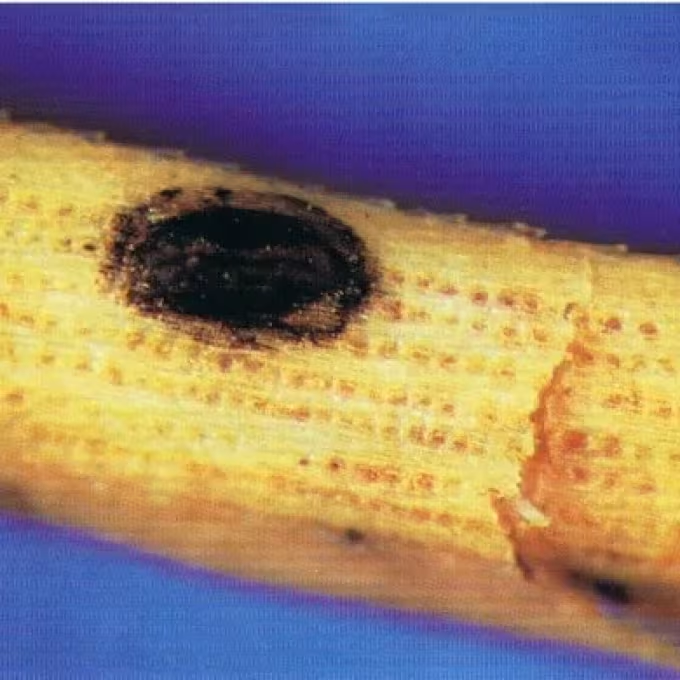
Characteristic small black transverse lines or dots appear on the needles, serving as a diagnostic feature of the Lophodermium infection.
Premature needle cast is a primary symptom, where trees lose their foliage much earlier than their natural life cycle would typically dictate.
During periods of high humidity, the fruiting structures become more visible as they develop on the surface of fallen or dying needles.
In cases of severe infection, branches may appear completely bare, giving the tree a sparse and stunted appearance that affects overall growth.
Pathogen
The disease is caused by the fungus Lophodermium exaridum, which is a specialized pathogen affecting various species of pine and other conifers.
The fungus overwinters within the infected needles that have fallen to the forest floor, acting as a reservoir for further spread in the following season.
During spring and summer, the fungus produces apothecia, which are small fruiting bodies that release ascospores into the environment.
These spores are dispersed by wind and rain onto healthy needles, where they germinate and colonize the inner tissues of the conifer.
As the fungal mycelium grows, it systematically disrupts the host plant's physiological functions, leading to cellular decay within the needles.
Conditions for development
High relative humidity and frequent rainfall are the most critical environmental drivers for the development and spread of needle cast.
Stagnant air conditions, often found in densely planted nurseries or thick forests, promote the rapid infection of healthy needles.
Mild and damp summer weather is optimal for the fungal spores to germinate and successfully penetrate the needles of host trees.
Stressed trees, often suffering from nutrient deficiencies or site-related issues, are significantly more susceptible to the impact of this fungus.
Proper airflow within the canopy is essential to inhibit the pathogen, as dry surfaces are less conducive to fungal spore development.
Why it matters
The main damage caused by needle cast is the significant reduction in photosynthetic capacity, which weakens the tree's overall vigor.
Young seedlings are particularly vulnerable, and widespread infection can lead to high mortality rates in forest nurseries and new plantations.
Trees that survive the infection often show reduced growth rates and are less resilient to secondary pests like wood-boring insects.
The economic impact is substantial, as infected timber or decorative conifers lose their market value due to damaged and unattractive foliage.
Repeated annual cycles of needle cast can lead to the long-term decline of forest stands, reducing their ecological and productive functions.
Protection
Effective management includes maintaining proper tree spacing to ensure adequate air circulation and reduce the duration of leaf wetness.
Sanitation practices, such as the systematic removal and destruction of fallen needles, are vital to lowering the primary inoculum level.
Fungicide applications are recommended in nurseries during the peak release period of spores to prevent the infection of healthy foliage.
Ensuring trees receive adequate fertilization and water helps them maintain a strong immune system capable of resisting fungal pressures.
- Regular inspection of plantation health;
- Pruning of heavily infected branches;
- Selection of resistant tree varieties.
Discussion
No discussions yet — be the first.