
Lophodermium needle cast of fir
Lophodermium baculiferum
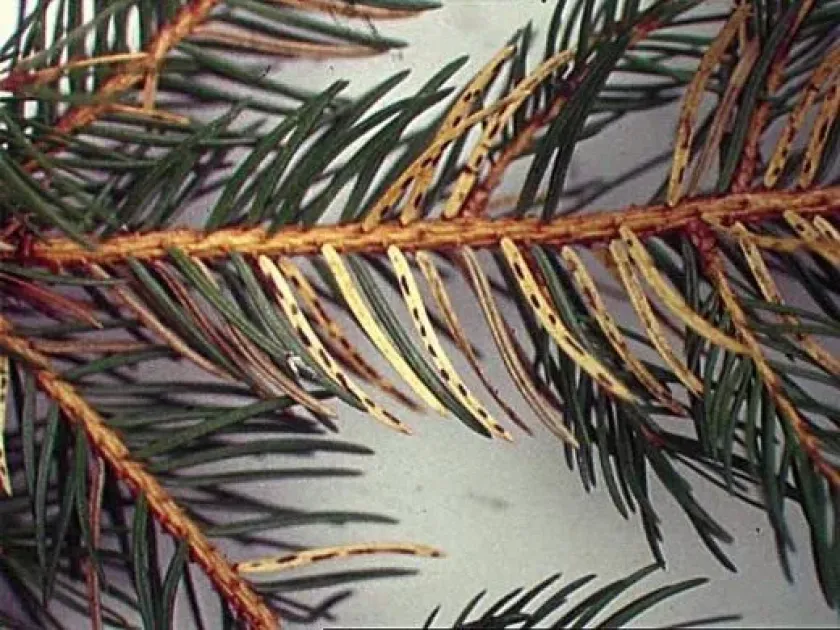
Description
Symptoms
The most prominent sign of infection is the discoloration of needles. They turn from healthy green to yellow and then brown as the tissue dies. This often begins on lower branches where moisture remains longest.
Small, black, elongated fruiting structures emerge on the surface of the infected needles. These are often arranged in lines and are a definitive diagnostic feature of Lophodermium infections.
Needle cast, or premature shedding, is a hallmark of this disease. Trees may lose a significant portion of their foliage, leading to sparse crowns and visible gaps in the foliage density.
Under humid conditions, the presence of the fungus may be accompanied by small fungal mats or sporulating structures that are visible to the naked eye upon closer inspection of the needles.
- Needle chlorosis and browning.
- Presence of black, elongated apothecia.
- Premature shedding of needles.
- Sparse, thinning crowns.
- Reduced overall tree vigor.
Pathogen
The disease is caused by the fungus Lophodermium baculiferum, a specialized pathogen that targets fir trees. It belongs to the Ascomycota division and is a serious threat to both nursery stock and ornamental plantations.
The fungus develops its mycelium within the needles of the host plant. It reproduces by releasing spores from small, elongated fruiting bodies called apothecia, which form directly on the needle surface.
As an obligate parasite, it relies on the host's living tissues to complete its life cycle. However, it also has the capacity to persist in fallen needles, which serve as a reservoir for spores during the winter season.
The fungus secretes enzymes that break down cellular components within the needles, interfering with the tree's photosynthetic capability. This internal damage is what ultimately leads to the visible symptoms of blight.
The life cycle is highly synchronized with environmental moisture, allowing the fungus to propagate and disperse its spores when conditions are most favorable for infection.
Conditions for development
High relative humidity is the most critical factor for the development of Lophodermium needle cast. Frequent precipitation, heavy morning dews, and persistent fogs create the ideal environment for spore germination.
Dense, stagnant air within overcrowded plantations significantly increases infection rates. Proper spacing is essential to ensure that foliage dries quickly after rainfall, which inhibits fungal establishment.
Moderate temperatures ranging from cool to warm are highly favorable for fungal growth. Spring and autumn are typically the peak periods for infection due to the combination of moisture and temperature.
Trees that are already stressed due to poor soil fertility, drought, or incorrect planting locations are more susceptible to infection and show faster rates of disease progression.
Accumulated litter and fallen needles around the base of the tree serve as a persistent inoculum source, facilitating the re-infection of the tree in subsequent growing seasons.
Why it matters
The primary impact of this disease is the depletion of the tree's energy reserves. Because needles are vital for photosynthesis, chronic defoliation leads to stunted growth and overall physiological decline.
Severe infestations weaken the tree significantly, making it vulnerable to opportunistic secondary pests, such as bark beetles, which can ultimately kill the tree within a few seasons.
In ornamental and landscape settings, the loss of foliage destroys the aesthetic value of the fir, resulting in thin, unsightly crowns that fail to provide the intended landscaping function.
Commercial nurseries can suffer major economic losses if the disease spreads, as entire batches of seedlings may become unsalable due to poor health and visual defects.
The loss of needles reduces the tree's capacity to withstand harsh environmental stressors, such as severe winter cold or summer heat, compounding the risk of permanent damage or mortality.
Protection
Sanitation is the first line of defense. All infected branches should be carefully pruned and removed from the site to lower the amount of fungal spores in the immediate environment.
Rigorous collection and disposal of all fallen needles from the forest floor is vital. Burning or deep burial of this debris destroys the primary inoculum source for the following year.
Applying fungicides during the period of spore release can be highly effective. Products containing copper or modern systemic fungicides are standard tools for managing needle cast diseases.
Improving the cultural environment, including proper fertilization and adequate irrigation, helps the tree maintain a strong immune system capable of resisting fungal invasion.
Thinning the canopy and ensuring appropriate tree spacing promotes better airflow and sunlight penetration, which keeps the foliage dry and creates a hostile environment for the fungus.
Discussion
No discussions yet — be the first.