
Pine needle cast
Lophodermella cerina
Description
Symptoms
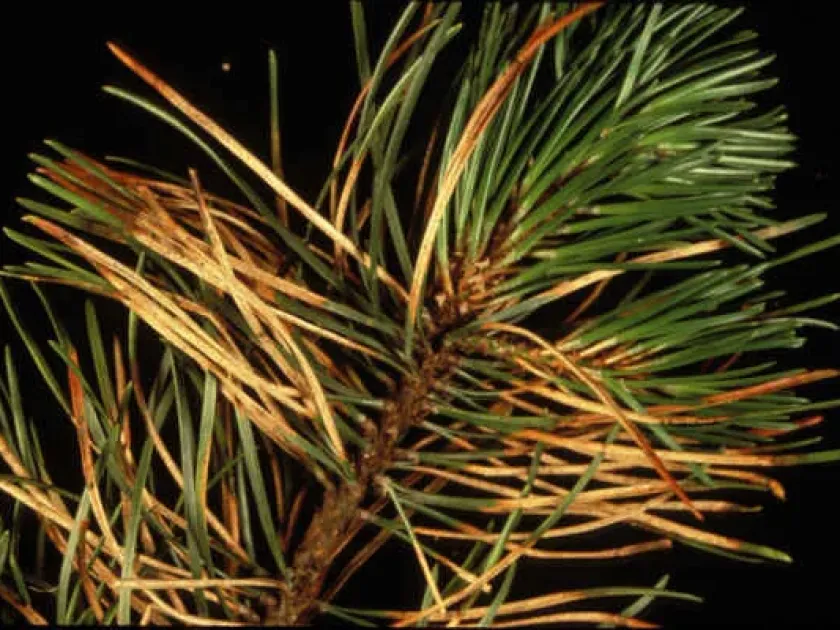
Initial symptoms are characterized by a change in needle color from healthy green to a dull yellow or light brown shade as the infection progresses.
Distinct dark bands or mottled spots often appear on the affected needles, marking the areas where the fungus is actively developing within the tissue.
The most noticeable sign is the premature needle drop, which creates a sparse appearance in the lower crown where humidity levels are typically higher.
Close inspection of the necrotic needles reveals small, elongated black fruiting bodies that are diagnostic of Lophodermella cerina infection.
Affected needles eventually become brittle and discolored, significantly reducing the tree's overall photosynthetic capacity and visual appeal.
Pathogen
The causative agent of this disease is the ascomycete fungus Lophodermella cerina, which specifically targets the needles of various pine species.
The fungus completes its life cycle in close association with the seasonal development of pine needles, utilizing them as a primary substrate for growth and reproduction.
Infection begins when fungal spores are dispersed by wind or splashing rain, landing on the surface of susceptible current-year needles.
The mycelium penetrates the needle tissues, causing necrosis and disrupting the physiological processes essential for the tree's health and development.
Reproductive structures, known as apothecia, develop on dead needles, releasing spores that continue the cycle of infection within the stand or to nearby trees.
Conditions for development
The development of the disease is heavily dependent on environmental conditions, specifically favoring high relative humidity and moderate temperatures.
Dense plantations with limited airflow provide the perfect environment for the fungus to spread, as stagnant air allows spores to settle easily on needles.
Wet spring and summer seasons are primary drivers for epidemic outbreaks, as moisture is essential for spore germination and needle penetration.
Trees that are already stressed by poor site conditions, nutrient deficiencies, or drought are significantly more susceptible to severe infection.
Lack of sanitary management within the forest or nursery environment leads to the accumulation of inoculum, exacerbating the disease intensity each year.
Why it matters
The primary impact of the disease is the reduction in tree vigor and growth rate due to the loss of photosynthetic tissue and needle premature shedding.
In nurseries, this disease can cause massive losses of pine seedlings, directly affecting forest regeneration efforts and causing economic consequences.
Weakened trees become highly vulnerable to secondary attacks by wood-boring insects, which can lead to further decline or mortality of the stands.
Visual decline in the landscape is significant, as the loss of needles results in thin crowns and an unsightly appearance of the affected pine trees.
Repeated yearly infections can severely stunt the growth of young pine stands, preventing them from reaching their full potential in terms of timber production.
Protection
Effective management starts with silvicultural practices such as proper spacing to ensure adequate air circulation and reduce favorable conditions for fungi.
Sanitation is crucial; collecting and destroying fallen needles can significantly reduce the amount of inoculum available for future infections.
Chemical control using fungicides, particularly copper-based or triazole compounds, can be effective if applied during the critical spore release periods.
Monitoring the timing of infection is vital for the success of fungicide applications, which should be aligned with local weather patterns and tree growth.
Focusing on the health of the trees, including appropriate fertilization and pest management, helps improve the tree's natural resistance to fungal pathogens.
Discussion
No discussions yet — be the first.