
Sooty mold
Leptoxyphium fumago
Description
Symptoms
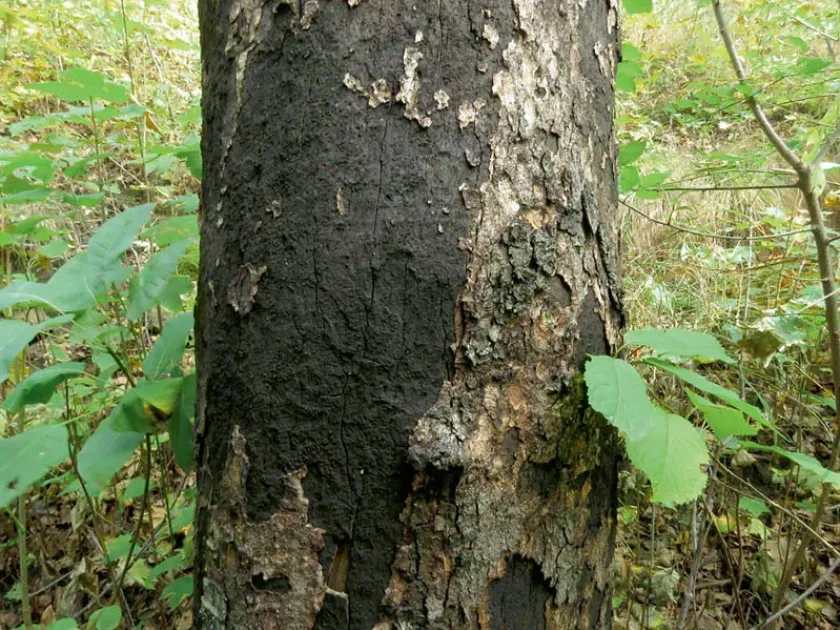
The most visible symptom is a black, soot-like powder or film covering the leaves, stems, and occasionally fruits. The appearance resembles a fine layer of dust or coal residue.
The black layer is often velvety and can usually be rubbed off with a finger. However, beneath the layer, the leaf tissue may appear chlorotic or dull due to blocked sunlight.
The presence of sticky, shiny honeydew on the foliage is an early warning sign that sooty mold is likely to develop soon. This indicates active feeding by aphids or other sap-sucking insects.
Leaves may show signs of yellowing or curling, and in severe cases, premature leaf drop occurs. This is the result of the plant being stressed by both the pest infestation and the inhibited photosynthesis.
In high concentrations, the black film can cover the entire crown of the plant, significantly reducing the amount of energy the plant can generate for growth and fruit production.
Pathogen
Sooty mold is caused by various fungi, primarily of the genus Leptoxyphium, including Leptoxyphium fumago. These are saprophytic fungi that do not infect the plant tissues but grow on the surface.
The fungus relies on honeydew, a sticky substance secreted by sucking insects like aphids, scales, whiteflies, and mealybugs. This honeydew serves as the perfect nutritional medium for fungal spores to germinate and grow.
This is considered a secondary infection, meaning the presence of the fungus is directly linked to an existing pest infestation. Without the sweet secretions of insects, the fungus cannot thrive on healthy leaves.
The fungus develops a dense mycelial mat that covers the leaves and stems. While the fungus itself doesn't damage the plant internally, its physical presence covers the plant like a blanket.
Spores are easily dispersed by wind, water splashing, or insect movement, allowing the fungus to spread rapidly across a plant or to neighboring vegetation once an infestation is established.
Conditions for development
Warm and humid conditions are the primary environmental triggers for the growth of sooty mold. High humidity allows the honeydew to remain moist and accessible to the fungal spores.
Poor airflow, often caused by overcrowded or unpruned plants, creates a microclimate that prevents the foliage from drying out, which is ideal for the rapid colonization of the fungus.
Shady areas are more prone to infection. Sunlight and UV radiation have a natural inhibitory effect on fungal growth; therefore, plants in full shade are at higher risk compared to those in well-lit areas.
Improper irrigation practices, such as overhead watering that keeps foliage wet for long periods, can exacerbate the problem. Standing water facilitates the spread of the mold.
Excessive use of nitrogen-rich fertilizers can make plants more attractive to aphids, leading to a higher volume of honeydew and consequently a larger area for the fungus to colonize.
Why it matters
The primary damage is the suppression of photosynthesis. The thick black layer acts as a physical barrier, blocking the sun's energy, which is critical for the plant's metabolic processes.
The fungus clogs the plant's stomata, effectively hindering the gas exchange and transpiration process. This results in poor growth, reduced vigor, and a weakened overall state for the plant.
Aesthetic damage is substantial, rendering ornamental plants and flowers unattractive. This significantly impacts the market value and visual appeal of garden and greenhouse species.
Fruit quality is compromised as the black film is difficult to clean, and the presence of the fungus can promote decay or rot in areas where the skin is particularly sensitive or damaged.
Weakened plants are significantly more susceptible to environmental stress, including frost damage and drought, as they lack the energy reserves needed to cope with these conditions.
Protection
The most effective method for controlling sooty mold is to eliminate the underlying pest infestation. Controlling aphids, scales, and whiteflies with insecticides or horticultural oils stops the production of honeydew.
Improving air circulation and sunlight exposure through proper pruning and thinning of the canopy is essential. This helps the foliage dry faster, creating an environment inhospitable to mold.
Washing the affected leaves with a mild soapy solution can remove the existing mold and restore the leaf's ability to photosynthesize. This is useful for minor or moderate cases.
Copper-based fungicides can be used to treat surfaces and prevent the growth of fungal spores. However, this should always be done in combination with pest control measures.
- Monitor plants weekly for signs of insect pests.
- Remove heavily infested and damaged branches.
- Ensure adequate spacing between plants to allow airflow.
- Use systemic insecticides for long-term pest management.
Discussion
No discussions yet — be the first.