
Lupine leptosphaeria
Leptosphaeria lupinicola
Description
Symptoms
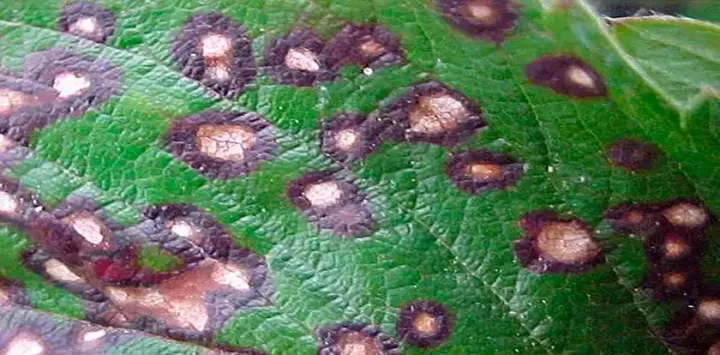
The initial symptoms appear as small, brown, or reddish-brown lesions on the cotyledons, leaves, and stems of the lupine plants.
As the disease progresses, these lesions enlarge and often develop a distinct zonal pattern with a darker, well-defined margin separating them from healthy tissue.
Under humid conditions, small black fruiting bodies (pycnidia) become visible within the necrotic spots, which is a classic diagnostic feature of this fungal infection.
Severe infestations lead to chlorosis, leaf curling, and premature defoliation. The stems may also crack and become brittle, significantly reducing the structural integrity of the plant.
Infected pods often produce shriveled, discolored, and low-quality seeds, which may carry the pathogen into the next season if not treated properly.
Pathogen
The disease is caused by the fungus Leptosphaeria lupinicola (anamorph Stagonospora lupini). This pathogen is a serious threat to lupine crops worldwide, significantly affecting plant health.
The fungus produces pycnidia and pseudothecia, which serve as primary infection sources during the growing season. Spores are easily disseminated by wind and splashing rainwater.
The pathogen is highly persistent, capable of surviving for several years on infected plant debris, in the soil, and on seeds, making crop rotation difficult.
Infection begins when spores germinate on the plant surface and penetrate through stomata or mechanical wounds. Once inside, the fungus invades the intercellular spaces.
As the mycelium spreads, it secretes enzymes that break down plant tissues, facilitating the colonization of the host plant and leading to systemic weakening.
Conditions for development
Warm and humid weather conditions are ideal for the rapid development of Lupine leptosphaeria. Temperatures ranging from 15°C to 22°C significantly accelerate spore germination.
Frequent rainfall or persistent high humidity in the canopy creates a perfect environment for the pathogen to spread from lower leaves to the upper parts of the plant.
Poor field ventilation, often caused by high plant density, allows moisture to remain on leaves for extended periods, favoring fungal penetration.
Continuous monocropping is a major factor in the buildup of soilborne inoculum, increasing the risk of early-season infection for subsequent crops.
Balanced plant nutrition, particularly avoiding excessive nitrogen, helps maintain plant vigor and makes the tissues more resistant to initial fungal colonization.
Why it matters
Lupine leptosphaeria causes substantial damage by reducing the photosynthetic area of the leaves, leading to stunted growth and reduced biomass production.
The quality of lupine as forage is severely degraded, as infected plants lose nutritional value and may become unpalatable to livestock due to fungal decay.
Seed yield is heavily impacted, with potential losses ranging from 20% to 40% depending on the timing and severity of the disease outbreak during the season.
Seeds harvested from infected fields have poor germination rates and low vigor, leading to uneven crop stands in the following season.
Additional economic losses are incurred due to the necessity of fungicide applications and the cleaning of contaminated seed batches to ensure safety.
Protection
Crop rotation is the most effective cultural practice, with a recommended break of at least four years between susceptible lupine crops to reduce soil inoculum.
Deep plowing after harvest is essential to bury crop residues, which accelerates the decomposition of plant material and reduces the survival rate of the fungus.
Sourcing and using certified disease-free seeds is the first line of defense. Seed treatments with systemic fungicides are highly recommended to provide early-stage protection.
During the growing season, monitoring for initial symptoms is crucial. Timely application of foliar fungicides can effectively stop the spread of the pathogen.
Optimal planting density should be maintained to ensure proper airflow through the field, which minimizes moisture accumulation and helps discourage fungal development.
Discussion
No discussions yet — be the first.