
Pistachio leptosilliosis
Leptosillia pistaciae
Description
Symptoms
Early symptoms of leptosilliosis include the appearance of small, irregular dark spots on leaves. Over time, these spots grow and coalesce, often resulting in complete necrotic tissue collapse.
The presence of minute, dark fruiting bodies or pycnidia on the surface of affected lesions is a definitive characteristic for identifying this fungal disease in the field.
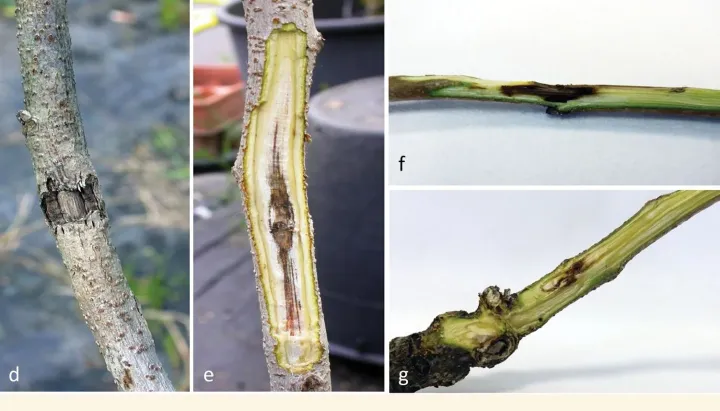
Young shoots often show signs of dieback. When the infection reaches the branches, the bark may crack, and in some cases, resinous exudates may leak from the affected sites.
Defoliation is common in advanced stages. The crown of the tree appears sparse, and the foliage may turn yellow before dropping prematurely, significantly reducing the tree's vitality.
In cross-sections of infected branches, the xylem and phloem tissues may show visible browning, indicating that the fungus is disrupting the tree's nutrient transport system.
Pathogen
The disease is caused by the fungus Leptosillia pistaciae, a specialized pathogen that affects plants within the Anacardiaceae family. It is a microscopic organism capable of surviving on host tissues throughout the year.
The pathogen utilizes its mycelium to penetrate the plant epidermis. During the active growing season, it produces spores that facilitate the spread of the infection between branches and neighboring trees.
The fungus is adapted to the specific environments where pistachios thrive. It remains dormant in the form of sclerotia or mycelial strands within infected bark and dead leaves during the winter months.
The life cycle of Leptosillia pistaciae is closely linked to plant dormancy and budding cycles. As soon as temperatures rise, the fungus resumes development, targeting young, succulent tissues of the pistachio tree.
Scientific studies on this pathogen highlight its ability to bypass plant defense mechanisms by secreting specialized enzymes that break down cell wall barriers, allowing for deeper colonization.
Conditions for development
The development of Leptosillia pistaciae is heavily dependent on moisture. High humidity, heavy rainfall, or dew accumulation create the perfect environment for spore germination.
Poor orchard sanitation is a major factor. Leaving fallen leaves and pruned branches on the ground provides a reservoir for the fungus to multiply and reinfect trees the following year.
Orchards with excessive canopy density suffer from limited airflow. This humidity trap allows the fungus to remain active for longer periods during the day, increasing infection rates.
Optimal temperatures for the growth of this fungus range between 18°C and 25°C. In regions with mild, wet springs, the potential for an outbreak is significantly higher.
Trees stressed by drought, poor soil nutrition, or pest infestations are significantly more susceptible to colonization by Leptosillia pistaciae than healthy, vigorous specimens.
Why it matters
The economic impact of leptosilliosis is primarily felt through reduced yields. The reduction in leaf area decreases the tree's photosynthetic capacity, leading to smaller, lower-quality nut production.
Chronic infection weakens the tree, making it vulnerable to secondary pathogens. Over time, recurring outbreaks can lead to the total decline and death of the pistachio tree.
Damage to the branch structure often requires extensive pruning, which reshapes the tree and can temporarily reduce the total fruit-bearing surface of the orchard.
The cost of implementing disease management programs, including fungicides and labor, places an additional financial burden on the grower during the production season.
If left unmanaged, the pathogen can spread through an entire plantation, turning a productive orchard into a source of infection for neighboring agricultural lands.
Protection
Integrated Pest Management (IPM) is the most effective approach. The first line of defense is the systematic removal and destruction of all infected plant materials to lower the disease pressure.
The application of protective and systemic fungicides is recommended during the periods of highest risk, particularly after rain events when spore release is at its peak.
Proper orchard spacing is essential to ensure adequate canopy ventilation. Pruning practices should be aimed at opening up the tree structure to minimize moisture accumulation.
- Use certified disease-resistant or tolerant cultivars.
- Ensure balanced fertilization to maintain tree vigor.
- Disinfect pruning tools between trees to prevent mechanical spread.
- Monitor for insect pests that may create wounds for fungal entry.
Regular monitoring and early detection allow for targeted interventions, which minimize the need for heavy chemical use and ensure the long-term sustainability of the pistachio orchard.
Discussion
No discussions yet — be the first.