
Leptolyngbya foveolarum
Leptolyngbya foveolarum
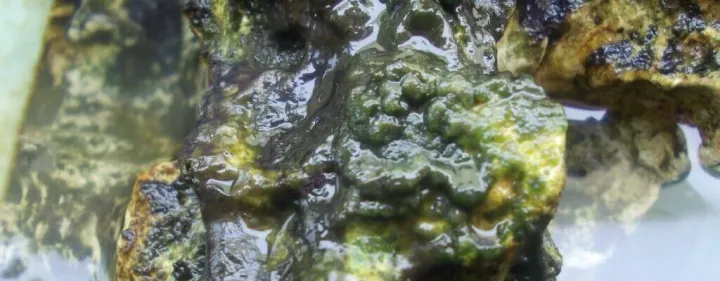
Description
Symptoms
The primary symptom is the appearance of a dark green, olive-colored, or blackish slimy crust on the surface of the soil or growing medium. This layer is often very distinctive and can cover the entire surface of a pot or planting bed.
In later stages of development, when the soil surface dries out, the biofilm turns into a brittle, hard crust that may crack. This crust acts as a seal, significantly reducing the gas exchange between the soil and the atmosphere.
Plants affected by this organism often exhibit stunted growth and yellowing of the lower leaves (chlorosis). This occurs because the biofilm competes with the plant for nutrients and creates a localized oxygen-depleted environment.
On stems, especially those in contact with damp soil, a slippery film can develop, which may lead to the decay of the epidermis and increase the susceptibility of the plant to secondary fungal infections.
In hydroponic systems, the organism can clog emitters, tubing, and filters, which results in visible distress symptoms in plants due to inadequate water and nutrient supply.
Pathogen
Leptolyngbya foveolarum is a species of filamentous cyanobacteria that can act as a facultative pathogen or a colonizer in greenhouse environments. These microorganisms are characterized by their ability to form dense mats or biofilms on surfaces with high moisture levels.
Biologically, the organism consists of thin, unbranched trichomes wrapped in a mucilaginous sheath. This mucus is what gives the colonies their characteristic slimy texture and allows them to adhere firmly to soil particles and plant stems.
As photosynthetic organisms, they utilize light, carbon dioxide, and nitrogen from the soil or air to grow rapidly. In an agricultural setting, they function as part of the soil's algal community, responding quickly to environmental changes like irrigation and lighting.
While not a traditional parasite that invades plant tissues, Leptolyngbya foveolarum acts as a competitor and a stress factor. It creates physical barriers that disrupt the normal physiological processes of the plant in the rhizospheric zone.
Its presence is often a biological indicator of imbalanced conditions in the growing media, highlighting issues with aeration, drainage, or sanitation protocols in the greenhouse facility.
Conditions for development
Excessive moisture is the most significant factor for the proliferation of Leptolyngbya foveolarum. Environments that remain constantly wet, without drying cycles, provide the ideal habitat for this cyanobacteria.
High light intensity, particularly in greenhouses with prolonged or constant artificial lighting, significantly accelerates the photosynthesis and multiplication rate of these microorganisms.
The accumulation of mineral salts and high levels of nitrogenous fertilizers on the soil surface provide a nutrient-rich medium that fuels the rapid expansion of algal colonies.
Inadequate ventilation in greenhouses creates stagnant, humid air, which promotes condensation on the soil surface, ensuring the constant presence of a thin layer of water necessary for cyanobacteria survival.
Poor soil structure and lack of porosity in the growing media contribute to surface sealing. This prevents water from percolating downward and keeps the surface layer perpetually wet.
Why it matters
The major harm caused by Leptolyngbya foveolarum is the physical obstruction of oxygen flow to the root system. This can lead to root suffocation and increase the likelihood of crown and root rot diseases.
The cyanobacteria compete directly with crop plants for accessible nutrients at the surface, reducing the availability of essential elements to seedlings and young, developing plants.
The metabolic byproducts released by the organism can be toxic to delicate root hairs. This chemical interference can lead to root deformation and a general decrease in plant vigor and stress tolerance.
The slimy surface provides a breeding ground for pests, such as fungus gnats (sciarids). The larvae of these insects damage roots and act as vectors, further spreading spores of other pathogens throughout the greenhouse.
Economic damage is also driven by increased maintenance costs, as growers must invest time and resources in cleaning irrigation lines and replacing compromised soil substrates.
Protection
The most effective control strategy is to adjust irrigation practices, ensuring the top layer of the soil has sufficient time to dry out between waterings. This effectively breaks the organism's life cycle.
Regular cultivation of the soil surface helps to disrupt the biofilm, improve aeration, and allow oxygen to penetrate back into the root zone, which is vital for plant health.
Applying top-dressing materials such as coarse sand, perlite, or specialized clay pellets limits light reaching the soil surface, effectively depriving the cyanobacteria of the light required for photosynthesis.
In cases of heavy infestation, using hydrogen peroxide-based sanitizers can help eliminate the surface layer. These are typically safe for plants when applied in correct concentrations and do not leave harmful residues.
Improving overall greenhouse ventilation and controlling ambient humidity are essential preventive measures that make the environment less hospitable for the expansion of Leptolyngbya foveolarum colonies.
Discussion
No discussions yet — be the first.