
Leptolegniellaceae
Leptolegniellaceae
Description
Symptoms
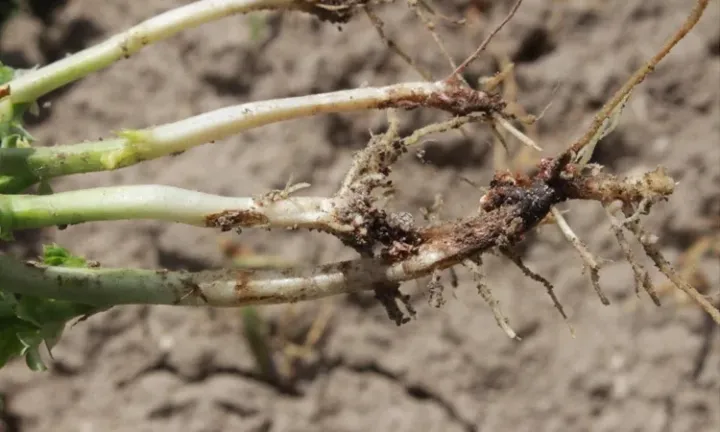
The most common symptom of a Leptolegniellaceae infection is the development of soft root rot. The affected roots lose their structural integrity, turn soft and mushy, and often exhibit discoloration, ranging from light brown to dark brown.
Plants affected by the pathogen show clear signs of distress: foliage may exhibit chlorosis, stunted growth, and loss of turgor, especially during periods of high temperature, as the damaged root system can no longer supply adequate water.
Under high humidity conditions, a delicate, grayish or white fungal-like growth (mycelium) may appear on the surface of the roots or at the base of the stem, indicating the active progression of the infection.
If seeds or seedlings are infected, they often rot before emerging from the soil. This leads to poor germination rates and visible gaps in the crop rows, which is a major concern for initial stand establishment.
In the final stages, the vascular system of the plant becomes severely compromised, leading to the rapid wilting and eventual death of the entire plant within a short timeframe.
Pathogen
The Leptolegniellaceae family belongs to the class Oomycetes, which are fungus-like organisms known for having cellulose-based cell walls rather than the chitin-based walls found in true fungi. They play a significant role as pathogens in soil and aquatic ecosystems.
The primary pathogens within this family belong to the genus Leptolegniella. These organisms are highly adaptive and can survive as both parasites and saprotrophs, allowing them to persist in the environment even in the absence of a host plant.
Their biological cycle includes the production of biflagellated zoospores. These motile spores are crucial for the pathogen's ability to navigate through the soil moisture film and infect the root systems of susceptible plants.
Reproduction involves the formation of thick-walled oospores, which are resistant to harsh environmental conditions. These structures enable the pathogen to survive in the soil for several years, waiting for favorable conditions to germinate.
The genetic and metabolic flexibility of Leptolegniellaceae allows them to compete effectively with other soil microorganisms, making them difficult to eradicate once they have become established in a particular field or greenhouse environment.
Conditions for development
The development of Leptolegniellaceae is heavily dependent on soil moisture levels. Saturated or waterlogged soils provide the necessary aquatic environment for the zoospores to swim and reach the host roots.
These pathogens thrive in temperatures ranging between 15°C and 22°C (59-72°F). These temperatures are often typical during the active growing season, coinciding with the seedling stage of many major crops.
Poorly aerated, heavy clay soils are particularly susceptible to these pathogens because the low oxygen levels can further weaken the plant roots while providing a conducive environment for the oomycete.
The presence of fresh, undecomposed organic matter in the soil can encourage the build-up of the pathogen population, as they can utilize these residues to increase their biomass before attacking living plants.
Human activities, such as using contaminated equipment or water sources for irrigation, are primary factors for the introduction and spread of these pathogens into previously clean fields or greenhouses.
Why it matters
The main harm caused by Leptolegniellaceae is the destruction of root systems, which results in significant yield reduction or total loss of the crop due to water and nutrient deficiency.
In greenhouse settings, these pathogens can be devastating, spreading rapidly through irrigation systems and killing large portions of young crops in a very short amount of time, causing massive economic losses.
They often act as primary invaders, weakening the plant and creating infection points for secondary pathogens like bacteria or other soil-borne fungi, which complicates the diagnosis and the selection of effective treatments.
The persistence of the pathogen in the soil means that growers may have to avoid planting susceptible crops for several years, which disrupts standard crop rotation practices and affects long-term farm planning.
The financial impact includes the cost of specialized fungicides, potential crop destruction, and the labor-intensive process of sanitizing equipment and contaminated soil areas.
Protection
The most effective strategy for control is the improvement of soil drainage to prevent the accumulation of excess water, which is a prerequisite for the survival and movement of zoospores.
It is essential to use high-quality, treated seed that is protected by systemic fungicides specifically effective against oomycetes to provide a barrier during the vulnerable germination phase.
Implementing a strict crop rotation program with non-host species is highly recommended to starve the pathogen and reduce the overall soil inoculum level over time.
Biological control agents, such as beneficial bacteria (e.g., Bacillus subtilis) or fungi (e.g., Trichoderma), can be incorporated into the soil to suppress the growth and activity of the oomycetes.
- Regular sanitization of greenhouses and farm tools.
- Proper disposal of infected plant material to prevent the spread of spores.
- Careful monitoring of plant health and moisture levels.
- Use of certified pathogen-free substrates in greenhouse cultivation.
Discussion
No discussions yet — be the first.