
Leptolegnia
Leptolegnia
Description
Symptoms
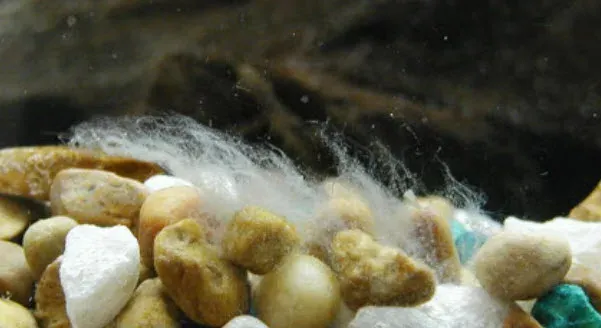
The primary symptom of a Leptolegnia infection is the appearance of white, cotton-like mycelial growth on the surface of plants or organic matter.
Infected plant tissues show distinct signs of softening, necrosis, and discoloration, often turning mushy as the pathogen digests the cellular structure.
In aquatic plant cultures, the roots often exhibit browning and decay, which significantly hampers nutrient uptake and overall plant vigor.
Visible filaments can often be observed extending into the surrounding water, indicating a high level of sporulation and active colonization.
Microscopic examination typically reveals long, non-septate hyphae and characteristic zoosporangia, which are the diagnostic markers for this oomycete.
Pathogen
Leptolegnia is a genus of oomycetes, often referred to as water molds. The most significant species studied in agricultural and aquatic science is Leptolegnia caudata.
These organisms are not true fungi; they belong to the kingdom Chromista. Their biology is characterized by the production of biflagellated zoospores that swim through water to locate hosts.
The life cycle is highly adapted to aquatic environments, allowing the pathogen to persist in substrate as resting spores until conditions favor germination.
Unlike true fungi, the cell walls of Leptolegnia are composed primarily of cellulose, which influences their susceptibility to various antimicrobial treatments.
Their ability to switch between saprotrophic feeding on dead organic matter and parasitic feeding on living tissue makes them versatile and resilient pathogens in aquatic systems.
Conditions for development
Leptolegnia thrives in environments with high moisture levels, particularly in cool, stagnant water with poor circulation and limited oxygenation.
Accumulation of dead plant material and debris provides an ideal nutrient base for the pathogen to establish and multiply before attacking living hosts.
Fluctuations in water temperature and pH levels can act as environmental stressors that make plants more susceptible to initial infection.
High population densities of aquatic plants or animals facilitate the rapid transmission of zoospores from infected to healthy individuals.
Poor water management, such as a lack of filtration or regular water changes, is the most common factor leading to severe disease outbreaks.
Why it matters
The disease causes significant damage by destroying the structural integrity of aquatic plants, leading to wilting and eventual death of the specimen.
Leptolegnia is also a notorious pathogen in aquaculture, as it can infect fish eggs and crustaceans, causing major losses in hatcheries.
By weakening the plant tissues, the infection creates pathways for secondary bacterial and fungal pathogens, complicating the recovery process.
In controlled environments, such as greenhouses or aquariums, a Leptolegnia outbreak can result in the loss of entire plant collections within a few days.
The presence of this pathogen degrades water quality and poses a continuous threat to the health of the entire aquatic ecosystem.
Protection
Proactive management requires strict sanitation practices, including the regular removal of decaying organic matter to eliminate the pathogen's food source.
Improving water circulation and aeration is crucial for disrupting the pathogen's ability to settle and colonize new surfaces.
Chemical control involves the use of oomycete-specific fungicides, though these must be applied cautiously to avoid harming the aquatic fauna.
Implementing a strict quarantine protocol for all new plants and organisms is essential to prevent the introduction of Leptolegnia spores into pristine systems.
Biological control using beneficial microorganisms that compete with Leptolegnia for resources is increasingly used as a sustainable management strategy.
Discussion
No discussions yet — be the first.