
Leptographium pseudotsugae
Leptographium pseudotsugae
Description
Symptoms
Initial symptoms are characterized by chlorosis followed by needle browning. Trees typically begin to lose needles starting from the lower branches, indicating an upward progression of the infection.
Resinosis, or excessive sap flow, is a common defensive response visible on the bark surface. These resin drips are often found near entrance points of bark beetles and serve as a clear warning sign.
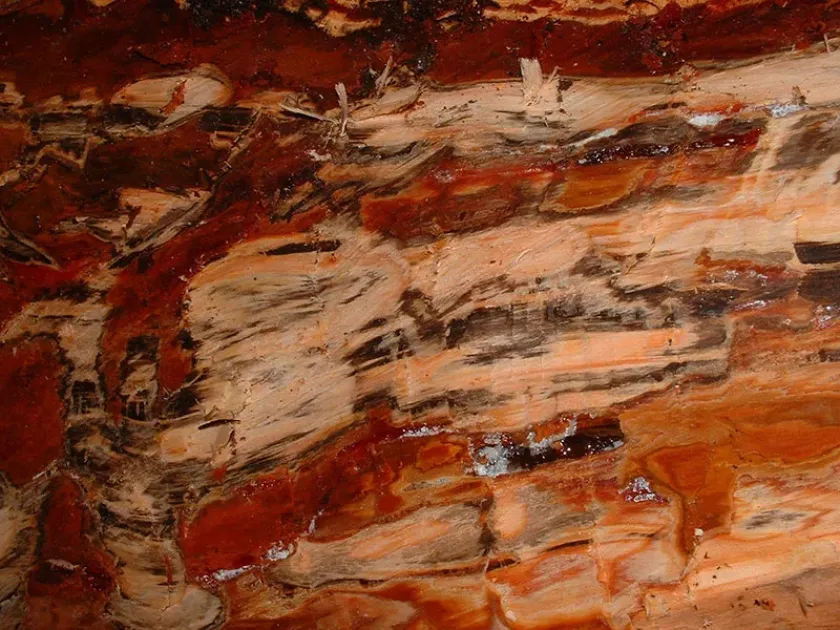
Internal examination of the sapwood reveals dark necrotic lesions. This staining is often patchy or streaky, reflecting the movement of the fungus through the tree's vascular system.
Evidence of bark beetle activity, including small round entry holes and frass deposits, is frequently associated with the presence of the fungus. The combined impact of the beetle and the fungus leads to rapid decline.
- Yellowing and browning of needles.
- Visible resin streaks on the tree trunk.
- Premature needle drop across the canopy.
- Discolored sapwood upon cross-sectioning.
Pathogen
The causal agent of this disease is the fungus Leptographium pseudotsugae, an ascomycete species known for its role in damaging vascular tissues of coniferous trees. It is a specialized pathogen that thrives within the host's internal structure.
The fungus maintains a symbiotic relationship with bark beetles. These insects act as vectors, carrying the spores on their bodies and inoculating healthy trees during their feeding and breeding activities.
Growth occurs within the phloem and sapwood layers. The fungus secretes enzymatic compounds that disrupt the flow of nutrients and moisture, effectively starving the tree from within.
A hallmark of this pathogen is the formation of characteristic dark stains in the wood, often referred to as blue-stain. This discoloration is a diagnostic feature of a successful fungal colonization.
Biological adaptation allows the fungus to survive in various environments. It remains viable within wood fibers, ensuring its persistence even when external conditions are challenging for the host.
Conditions for development
Drought stress is a primary factor that increases susceptibility to the disease. Trees struggling with water deficits cannot produce sufficient resin to repel boring insects and contain fungal growth.
High stand density facilitates the spread of the pathogen. When trees are crowded, the fungus can easily transfer via root grafts or insect movement between adjacent hosts.
The density of vector populations determines the intensity of the disease outbreak. Effective management requires controlling the beetle populations to mitigate the spread of the fungus.
Optimal environmental conditions for spore germination include moderate temperatures and high humidity under the bark. These factors allow for rapid colonization of tissues after inoculation.
Mechanical damage from storms, logging, or human activity creates pathways for infection. Any breach in the bark provides an entry point for spores, bypassing the tree's primary defensive barrier.
Why it matters
The disease causes widespread mortality in Douglas fir stands, leading to significant economic losses in timber production. It degrades the quality of the wood, making it unsuitable for high-value applications.
Environmental damage includes the disruption of forest structure and the loss of sensitive habitats. Persistent outbreaks can lead to the long-term degradation of forest ecosystems.
Nurseries are particularly vulnerable to losses during the seedling stage. A single infected batch can cause widespread mortality, delaying reforestation efforts and increasing production costs.
The pathogen significantly reduces the growth rate of trees that are not yet killed. This loss of increment affects the long-term yield of forestry operations over several decades.
Preventing further spread in a forest stand is difficult once an outbreak reaches a certain threshold. Managing the disease is essential to maintain the health and vigor of coniferous resources.
Protection
Sanitary harvesting is the most effective tool to manage existing outbreaks. Removing infected trees significantly reduces the amount of inoculum available for further dispersal.
Integrated pest management, specifically the use of pheromone traps, helps track and manage beetle populations. By limiting the vector, the transmission of Leptographium pseudotsugae is curtailed.
Maintaining diverse forest stands is a proactive strategy to reduce risk. Mixed-species forests are less prone to the rapid spread of specialized pathogens compared to pure monocultures.
Strict phytosanitary control during the transport and planting of seedlings is critical. Ensuring that new plantings are disease-free prevents the introduction of the fungus into uninfested areas.
Regular forest health monitoring allows for early detection of signs. Swift action taken upon finding the first few infected trees can prevent a larger, more destructive epidemic.
Discussion
No discussions yet — be the first.