
Leptogium
Leptogium
Description
Symptoms
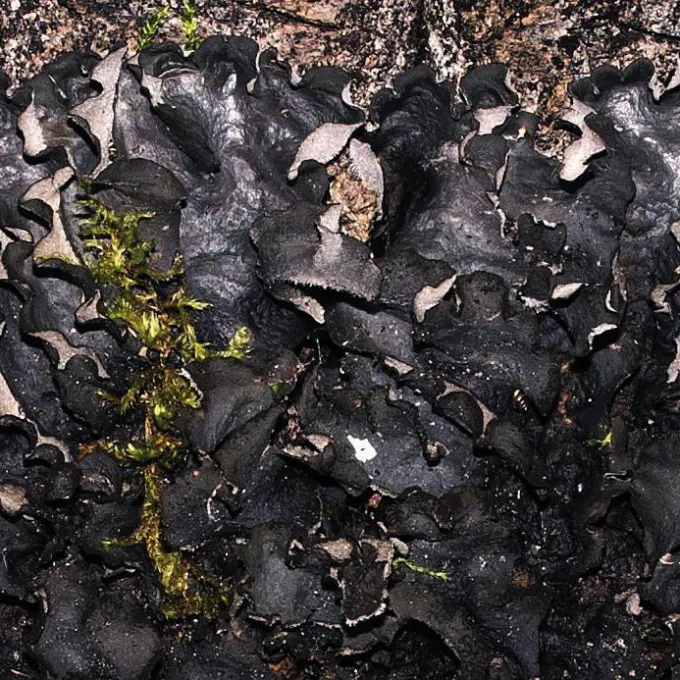
The visual signs of Leptogium include gelatinous, wrinkled, or folded thalli that possess a distinct dark grey to bluish-black appearance.
When moist, the lichen becomes soft and highly visible; when dry, it turns brittle, dark, and may blend into the texture of the bark.
The lichen adheres firmly to the bark, but the underlying wood remains healthy, firm, and free of discoloration or necrotic symptoms.
Presence is usually localized on the bark of mature trees, showing no adverse effects on the canopy, foliage, or fruit production.
Lack of signs such as oozing, wilting, or tissue decay clearly distinguishes this lichen from actual infectious diseases like cankers or rots.
Pathogen
Leptogium is a genus of foliose lichens belonging to the Collemataceae family, not a pathogen that causes plant infections or diseases.
These organisms are a symbiotic association between a fungus and cyanobacteria, which enables them to fix atmospheric nitrogen for their growth.
They inhabit the bark of trees exclusively as epiphytes, utilizing the surface as a physical substrate without harming the host plant's tissues.
Because they appear on tree trunks and branches, they are frequently misidentified by gardeners and growers as harmful fungal infections or parasites.
Unlike true plant pathogens, Leptogium does not invade the cambium, disrupt nutrient transport, or produce toxins that degrade wood quality.
Conditions for development
Leptogium development is strictly dependent on high ambient humidity and prolonged periods of atmospheric moisture on the bark surface.
These lichens are extremely sensitive to air pollution, specifically sulfur dioxide, making them biological indicators of high air quality.
They prefer the rough, moisture-retaining bark of old or slow-growing trees, which provides a stable environment for their symbiotic colonies.
The growth rate of the genus is remarkably slow, often requiring decades to establish significant coverage on a single tree branch or trunk.
Optimal conditions typically exist in mature, unmanaged orchards, woodlands, or near water sources where air remains fresh and humid.
Why it matters
Leptogium does not cause physiological damage to fruit trees or ornamental crops, nor does it affect their overall productivity or lifespan.
While the lichen is harmless, its presence can sometimes indicate that a tree is aging or lacks the vigorous growth associated with young, healthy specimens.
In rare instances, heavy lichen cover might potentially shelter overwintering stages of pests, but this is a secondary concern rather than a direct disease effect.
There is no economic harm caused to agricultural production by the presence of this lichen species in well-maintained orchards.
Growers should focus on tree health rather than targeting the lichen, as it does not compete with the tree for nutrients or water.
Protection
Since Leptogium is not a disease, no chemical fungicides or specialized control measures are required or recommended for its management.
Maintenance of tree vigor through proper irrigation, nutrition, and pruning is the best strategy to keep trees healthy and less susceptible to colonization.
Improving air circulation in the crown via regular pruning reduces the humidity levels that favor the slow growth of these lichens.
If removal is desired for aesthetic reasons, gentle mechanical brushing during the dormant season is sufficient to clear the surface of the bark.
- Regular sanitary pruning;
- Balanced fertilization and irrigation;
- Improving sunlight exposure in the canopy;
- Manual bark cleaning (optional for aesthetics).
Discussion
No discussions yet — be the first.