
Leptodontidium elatius
Leptodontidium elatius
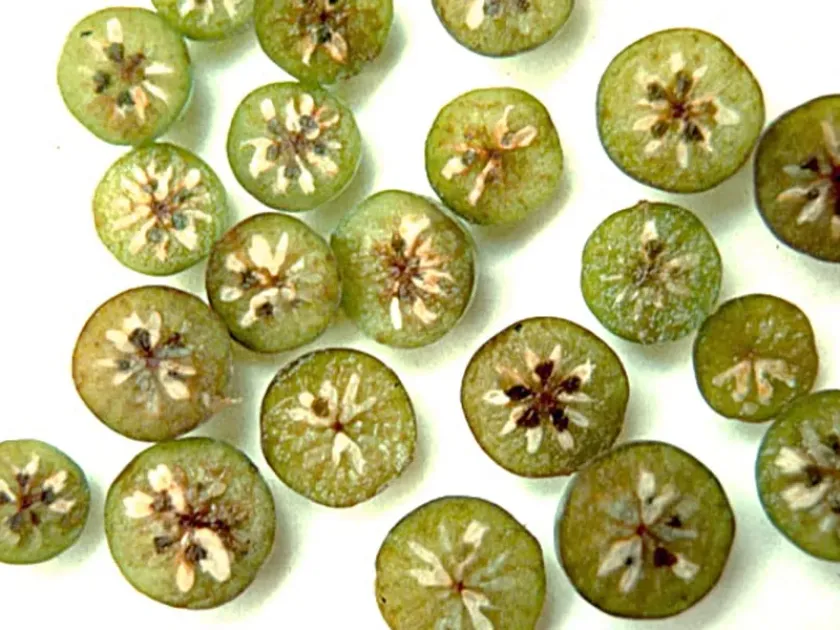
Description
Symptoms
The primary symptom of infection is progressive wilting of the foliage, often occurring without any obvious external damage. The plants appear dehydrated even when soil moisture is adequate.
Examination of the roots reveals extensive discoloration, often turning dark brown or black. The cortex of the root system becomes soft and necrotic, frequently sloughing off during gentle handling.
Stunted growth is commonly observed in infected crops. Foliage often exhibits chlorosis, starting from the lower leaves and eventually affecting the entire plant structure.
Under high humidity, a fine, greyish mycelial mat may form on the surface of the roots. This sign is often overlooked until the plant is already severely damaged.
Vascular browning within the root crown is another diagnostic sign. This blockage of the vascular system prevents nutrient transport, leading to the eventual collapse of the plant.
Pathogen
The causative agent of the disease is the fungus Leptodontidium elatius, a member of the Ascomycota phylum. It functions as a soil-borne opportunist that can persist in the environment for extended periods.
This fungus typically survives as a saprotroph, decomposing organic matter within the soil profile. Under conducive conditions, it transition to a parasitic lifestyle, attacking the roots of vulnerable plants.
The mycelium of Leptodontidium elatius spreads through the soil, colonizing root tissues and disrupting vascular flow. The fungus utilizes extracellular enzymes to break down host cell walls.
Environmental variables such as temperature and soil moisture play a significant role in the biological cycle. The pathogen is highly adaptable, allowing it to thrive across a range of climates.
Genetic plasticity enables the pathogen to survive various management practices. Understanding its biological characteristics is essential for developing robust integrated pest management strategies.
Conditions for development
Excessive soil moisture is the most critical environmental factor promoting disease development. Waterlogged soil creates a perfect microenvironment for spore germination and mycelial spread.
Cool to moderate temperatures, often during early spring or autumn, are favorable for the growth of Leptodontidium elatius. However, the fungus can remain viable across a wide temperature range.
High plant density and poor air circulation in the root zone contribute to higher infection rates. Dense planting keeps the soil surface moist, providing a stable environment for the pathogen.
Continuous cropping of the same species on the same field allows the pathogen population to build up over time. This creates a high inoculum pressure that makes successful cultivation difficult.
Mechanical damage to roots, caused by soil-dwelling pests or improper cultivation tools, provides easy entry points for the fungal mycelium, facilitating faster colonization.
Why it matters
The economic impact of the disease is substantial due to stand loss and reduced yield quality. Infected plants often fail to reach maturity, leading to empty spaces in the field.
In nursery settings, this pathogen can be devastating, causing high mortality rates among seedlings. This results in significant costs related to replanting and loss of valuable propagation material.
The disease weakens the host plant, making it more susceptible to secondary infections by other soil-borne pathogens. This synergistic effect often leads to complex, difficult-to-control root rot complexes.
Produce from infected fields may have poor storage properties. The presence of the fungus can lead to rapid post-harvest degradation, causing losses during transportation and marketing.
Long-term soil contamination forces farmers to abandon certain crops for extended cycles. This disruption in standard crop rotation plans reduces the overall profitability of the farming operation.
Protection
Prevention starts with the selection of certified, disease-free seed and high-quality transplants. Seed treatment with appropriate fungicides is essential to provide initial protection against soil pathogens.
Implementing a diverse crop rotation is the most effective cultural practice. Rotating away from host species helps to deplete the population of the pathogen in the soil over time.
Improving soil drainage is paramount. Proper land leveling and the use of raised beds can prevent water stagnation, thereby creating a less favorable environment for fungal activity.
Biological control agents, such as beneficial fungi or bacteria, can be applied to the soil to suppress the growth of Leptodontidium elatius through competitive exclusion.
- Regular removal and destruction of crop residues to lower inoculum levels.
- Monitoring soil moisture levels and avoiding over-irrigation during susceptible growth stages.
- Using resistant varieties if they are available for the specific crop and region.
Discussion
No discussions yet — be the first.