
Leptodontidium
Leptodontidium
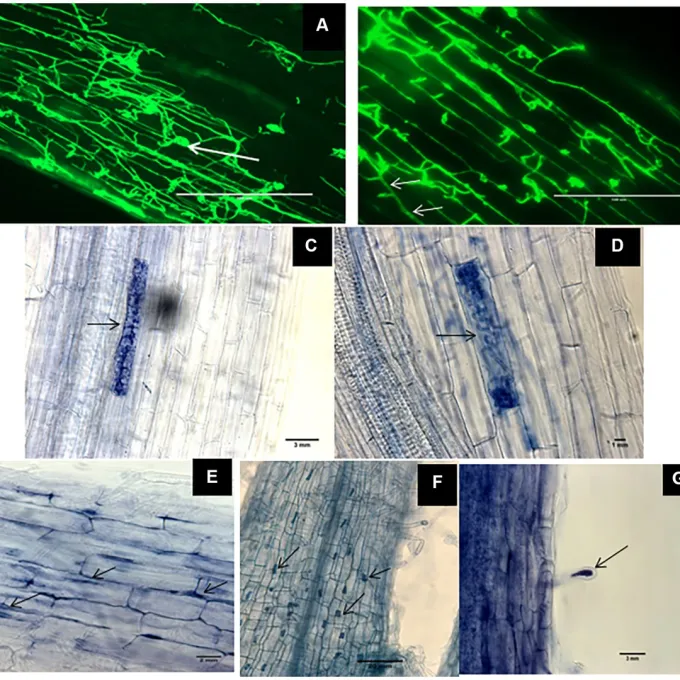
Description
Symptoms
Symptoms often begin below the soil line, characterized by darkening, necrosis, or blackening of the roots, which may be mistaken for other common soil-borne fungal issues.
Visible above-ground symptoms usually manifest as general chlorosis, stunted growth, and sudden wilting of the foliage, even when soil moisture appears adequate.
In woody plants, the pathogen can cause necrotic lesions on the trunk or branches, often leading to bark cracking and tissue decay which weakens the structural integrity of the plant.
In humid conditions, a fine layer of mycelial or conidial growth might appear on the infected tissues, although it is often too subtle to observe without a magnifying lens.
The progression of the disease is typically slow but relentless, eventually leading to the total collapse of the root system and death of the host plant.
Pathogen
Leptodontidium is a genus of hyphomycete fungi, primarily recognized by phytopathologists as an agent associated with root rot and vascular necrosis in various plant species.
The pathogen functions as a facultative parasite, meaning it can persist in soil organic matter for extended periods as a saprotroph before attacking host plants when they become vulnerable.
Its mycelium typically features septate hyphae, often melanized, which provides the fungus with remarkable resilience against environmental stressors and harsh soil conditions.
Transmission occurs through conidia dissemination, which can be facilitated by splashing water, irrigation systems, or contaminated tools used in horticultural and agricultural settings.
Scientific studies highlight the role of Leptodontidium in complex root rot syndromes, often working in synergy with other soil-borne pathogens to degrade plant tissue.
Conditions for development
Excessive soil moisture, poor drainage, and limited air circulation around the root zone are primary environmental factors that promote the development of Leptodontidium.
The fungus thrives in environments where plants are experiencing physiological stress, such as improper fertilization, mechanical root damage, or exposure to harsh weather cycles.
Greenhouses and nurseries are particularly prone to outbreaks because the intensive production environment allows for the rapid build-up of inoculum in the soil.
Soil temperatures that deviate from the optimal range for the host plant can often create a niche where the fungus can outcompete beneficial microflora.
Planting in heavy, compacted soils limits root health and oxygen availability, effectively creating a perfect breeding ground for this pathogenic fungus.
Why it matters
The most significant danger posed by Leptodontidium is its ability to remain latent in the soil, leading to unexpected crop failure once conditions become favorable for the fungus.
Infected plants suffer from severely compromised nutrient and water uptake, resulting in significantly reduced yields and poor quality of harvested products.
The pathogen can devastate commercial nurseries, where the loss of root systems in young transplants can lead to the destruction of entire batches of plant material.
Once the soil is infested, it becomes difficult to eliminate the pathogen, which complicates long-term cultivation plans for sensitive crop species.
Economic damage is compounded by the costs of soil sterilization, disease management programs, and the total loss of investment in the affected crop.
Protection
Effective management begins with preventative measures, such as ensuring proper soil drainage and avoiding over-irrigation that could lead to stagnant water.
The use of high-quality, disease-free planting material is critical to prevent introducing the pathogen into previously clean areas of the field or greenhouse.
Integrating biological control agents, particularly certain strains of Trichoderma, can help suppress the population of Leptodontidium in the rhizosphere.
Regular sanitation of tools and equipment is mandatory to stop the spread of conidia between different planting rows or greenhouse sections.
- Regular soil aeration and cultivation
- Strict crop rotation schedules
- Application of targeted fungicides if infection is detected
- Removal and destruction of infected plant debris
Discussion
No discussions yet — be the first.