
Lepteutypa
Lepteutypa
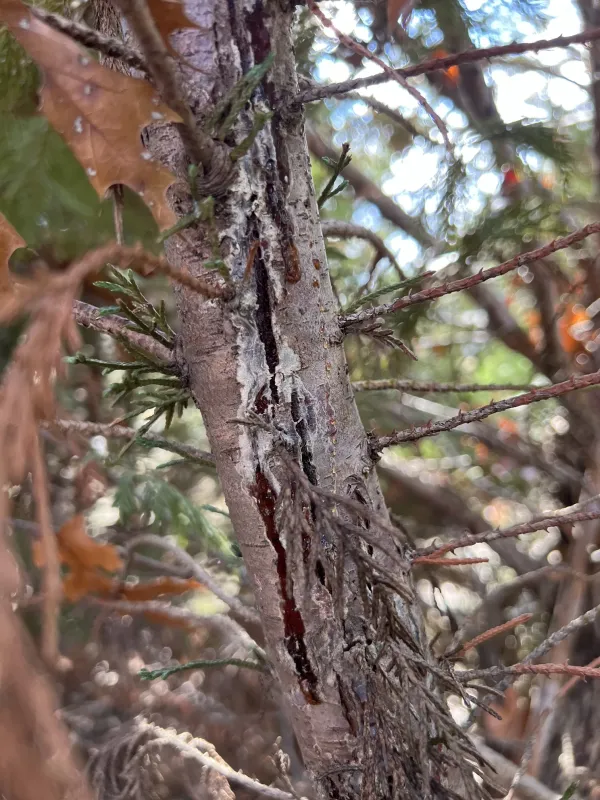
Description
Symptoms
The initial symptoms of a Lepteutypa infection typically manifest as slightly sunken, discolored patches on the surface of the bark, indicating early tissue death.
As the infection progresses, the affected bark becomes brittle, starts to crack, and often peels away, exposing the necrotic woody tissue underneath.
Small, dark, pimple-like structures often emerge on the surface of the infected bark, representing the fruiting bodies where spores are actively produced.
In cases of severe infection, the pathogen spreads circumferentially around branches, causing distal parts to wilt, turn yellow, and eventually die.
- Sunken necrotic lesions on bark surfaces.
- Bark splitting and peeling from underlying wood.
- Appearance of minute dark spots (fruiting bodies) on damaged bark.
- Gradual chlorosis and wilting of affected branches.
Pathogen
Lepteutypa is a genus of ascomycetous fungi recognized as significant pathogens responsible for bark necrosis and canker diseases in various trees and woody shrubs.
These fungi often act as opportunistic parasites, targeting plants that have been weakened by environmental stressors, physiological disorders, or mechanical injuries.
The life cycle of the pathogen involves the formation of fruiting bodies within the bark tissues, allowing the fungus to persist even in less favorable weather conditions.
The spread of the infection is primarily facilitated by wind currents and water splashes, which transport spores to healthy tissues of the same or neighboring plants.
Once the spores land on an open wound, the mycelium rapidly colonizes the cambium layer, initiating the process of necrosis that cuts off the nutrient transport system.
Conditions for development
Lepteutypa development is highly favored by high humidity levels and moderate temperatures, which are most frequent during spring and autumn seasons.
Dense plantations with poor air circulation create a microclimate that prevents the rapid drying of bark, facilitating spore germination and colonization.
Plants suffering from drought, soil compaction, or nutrient deficiencies exhibit lowered defenses, making them much more susceptible to the fungal invasion.
Mechanical damage caused by maintenance equipment, frost cracks, or severe wind acts as primary infection courts for the pathogen to penetrate deep into the plant.
Neglected gardens with significant amounts of dead or diseased wood left on-site serve as a constant source of inoculum, increasing the disease pressure.
Why it matters
The most severe impact of Lepteutypa is the obstruction of vascular tissues, which prevents the essential flow of water and minerals to the foliage.
Persistent infection can lead to the loss of large structural branches, significantly reducing the vigor and aesthetic appeal of ornamental trees and shrubs.
The chronic stress caused by the fungus depletes the plant's carbohydrate reserves, making it prone to attacks by secondary pests and other opportunistic pathogens.
In production nurseries, this disease causes significant economic losses due to the need to cull infected stock and the high cost of intensive chemical control.
If the infection reaches the main trunk or the root collar, the entire plant is at risk of decline and eventually total death.
Protection
The cornerstone of effective control is rigorous sanitation: all infected branches must be pruned back into healthy wood, ensuring tools are sterilized between cuts.
All pruned material should be strictly removed from the site and burned, as leaving debris creates a hotbed for future spore dispersal.
Applying copper-based fungicides during the dormant period can create a protective barrier on the bark, preventing spores from establishing new infections.
Promoting overall tree health through adequate irrigation and proper fertilization helps maintain the plant's natural ability to wall off fungal invasions.
Covering large pruning wounds or natural bark injuries with appropriate wound-sealing pastes helps block moisture and prevents fungal spores from entering.
Discussion
No discussions yet — be the first.