
Leproloma
Leproloma
Description
Symptoms
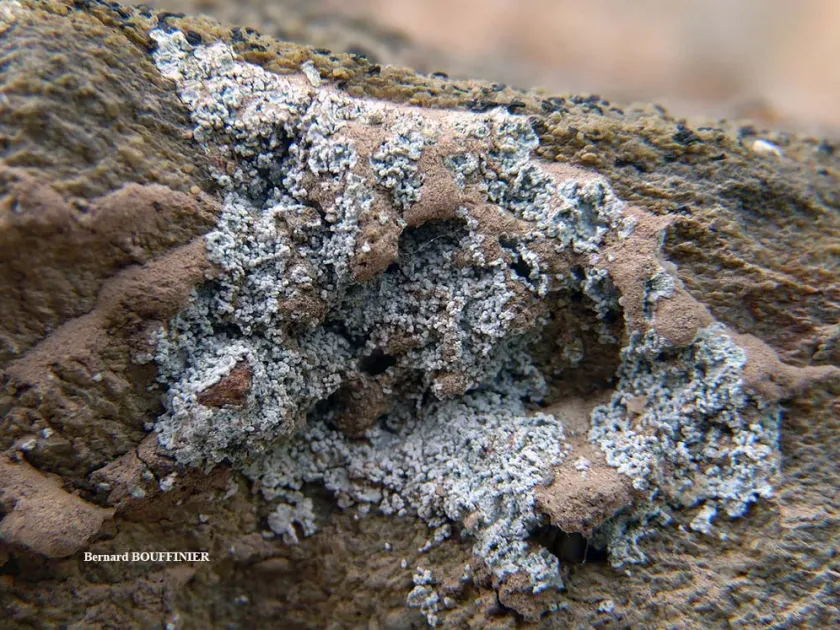
The most visible symptom is the appearance of crust-like patches on tree trunks and main branches, ranging in color from white to greenish-grey.
These patches often exhibit a granular or powdery texture, which is a characteristic feature of the thallus of the lichen colony.
As the colonization progresses, the patches merge, creating a solid barrier that prevents the bark from shedding or breathing normally.
Damp areas on the bark, especially after rain, where the colonies appear to be swelling, indicate an active state of growth for the organism.
In advanced stages, the underlying bark may appear discolored or brittle, as the continuous presence of moisture under the lichen promotes cell decay.
Pathogen
Leproloma refers to a genus of lichens that can colonize the bark of trees and shrubs. While not a direct pathogen in the classical sense, it functions as an epiphyte that competes with the host plant for surface space and moisture.
The organism reproduces through spores that are dispersed by wind or splashing water, allowing it to rapidly colonize new plant hosts in suitable environments.
Unlike parasitic fungi, this organism does not typically penetrate the vascular system, but its presence on the surface is a sign of stagnant conditions in the plant canopy.
The biological structure of the colony consists of a symbiotic relationship between fungi and algae, which makes it highly resistant to harsh weather conditions.
When left unchecked, the colonies can grow into thick, crusty layers that cover significant portions of the plant's surface area, causing long-term physiological stress.
Conditions for development
High humidity and poor air circulation are the primary drivers for the development of these colonies on woody surfaces.
Gardens and nurseries with high planting density are particularly susceptible because the lack of sunlight and airflow creates a cool, damp microclimate.
Neglected trees with rough, aged bark provide an ideal anchor for the spores to germinate and establish long-term colonies.
The absence of regular pruning routines allows for the buildup of moisture in the canopy, which encourages the spread of the lichen to younger, previously healthy branches.
Environmental factors such as acidic air pollution in some regions may actually favor certain species of lichens, leading to increased colonization of susceptible host trees.
Why it matters
The presence of dense colonies can significantly impede gas exchange in the bark, leading to reduced vitality and vigor of the entire plant.
These colonies serve as a harbor for various pests, including scale insects and mites, which find protection from natural predators and chemical treatments.
The persistent moisture retained by the lichen creates a pathway for secondary bacterial and fungal infections to penetrate the inner layers of the bark.
Aesthetically, the plant loses its market value, which is particularly detrimental for commercial tree nurseries and ornamental landscaping projects.
Reduced cold hardiness and susceptibility to mechanical bark cracking during winter are frequent consequences of heavy infestation.
Protection
Mechanical cleaning of the trunks using soft-wire brushes is the most effective way to remove the colonies without damaging the healthy living bark.
Applying lime-based whitewash to tree trunks helps create an alkaline environment that is inhospitable for lichen spores and provides a protective layer.
Improving air circulation through systematic pruning is essential to reduce the humidity levels within the canopy and prevent future colonization.
The use of copper-based fungicides as a preventative measure in early spring can effectively suppress the growth of lichen colonies.
- Maintain optimal tree vigor through balanced fertilization and proper watering
- Conduct regular inspections of the bark during dormant periods
- Remove heavily infested, weak, or dead branches to reduce spore sources
- Utilize integrated pest management to keep underlying insect populations low
Discussion
No discussions yet — be the first.