
Leprocaulon
Leprocaulon
Description
Symptoms
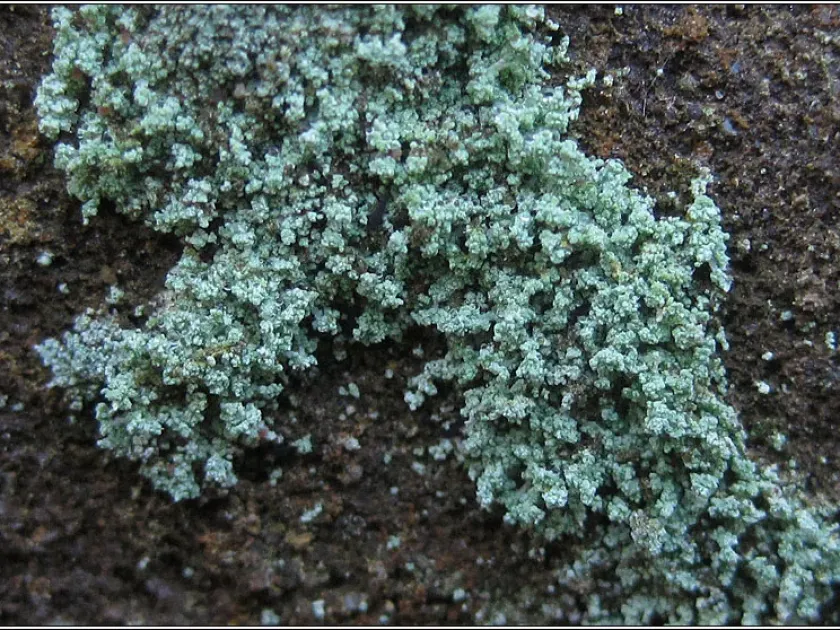
The primary sign of the presence of this lichen is the development of distinct, coral-like or crustose growths on the bark of perennial trees.
The colonies often present as branched, grayish or greenish structures that adhere firmly to the bark surface without causing discoloration or necrotic lesions underneath.
Unlike true plant pathogens, this organism does not trigger bark cracking, cankers, or wood decay in the areas it colonizes.
The growth pattern is typically slow and localized, often appearing on the shaded side of the trunk or branches where moisture is retained for longer periods.
- Coral-like, branched grayish-green structures on tree bark.
- Lack of underlying tissue rot or bark deformation.
- Persistent adherence to the substrate throughout seasonal changes.
Pathogen
It is scientifically accurate to state that Leprocaulon is not a plant disease or a pathogen. It belongs to a genus of lichens, which are composite organisms consisting of a fungus and an alga or cyanobacterium living in symbiosis.
These organisms are classified as epiphytes. They use the bark of trees solely as a physical substrate for attachment and do not invade the living tissues or vascular system of the host plant.
In agricultural practice, the appearance of these lichens is often mistakenly identified as a fungal infection. Such misdiagnosis leads to unnecessary and potentially harmful applications of synthetic fungicides.
Biologically, these organisms derive their nutrients from the atmosphere, dust, and rainfall, functioning entirely independently of the tree's metabolic processes.
Therefore, Leprocaulon should be considered a neutral component of the garden ecosystem rather than an infectious agent threatening crop health.
Conditions for development
The development of Leprocaulon is primarily driven by high levels of environmental humidity and a lack of direct sunlight.
Orchards with dense, poorly pruned canopies provide an ideal microclimate by reducing airflow and maintaining moisture levels favorable for lichen spores.
The physiological status of the tree is a contributing factor; mature trees with slow bark renewal rates are more susceptible to colonization than fast-growing young saplings.
Air quality also plays a role. As lichens are generally sensitive to high levels of industrial pollution, their presence indicates a relatively clean, though perhaps unmanaged, environment.
Long periods of overcast weather during spring and autumn accelerate the colonization process on previously unaffected bark areas.
Why it matters
There is no direct physiological harm caused by Leprocaulon to the growth, development, or overall yield of host plants.
Potential indirect harm includes the creation of a micro-habitat for various insects, which may find shelter within the dense structure of the lichen thallus.
While the lichen itself is benign, its presence may signal that a tree is lacking sufficient vigor or that the canopy is too dense, requiring structural maintenance.
In commercial orchard management, this organism is not considered a yield-limiting factor or a target for pest control measures.
Excessive coverage might theoretically obscure small pest infestations, but it does not interfere with the plant's respiratory or photosynthetic processes.
Protection
Effective management focuses on agronomic practices that discourage colonization rather than chemical extermination.
Regular whitewashing of tree trunks using lime-based solutions creates an alkaline surface that is highly inhospitable to the development of lichen spores.
Mechanical removal during the dormant season using a wire brush is an effective method to clean the bark and stimulate its natural renewal.
Pruning to open the canopy significantly improves light penetration and aeration, which naturally dries the bark and renders the environment unsuitable for lichen growth.
Maintaining optimal tree vigor through balanced nutrition and proper irrigation ensures a rapid turnover of bark cells, preventing the establishment of epiphytic communities.
Discussion
No discussions yet — be the first.