
Lepista subnuda
Lepista subnuda
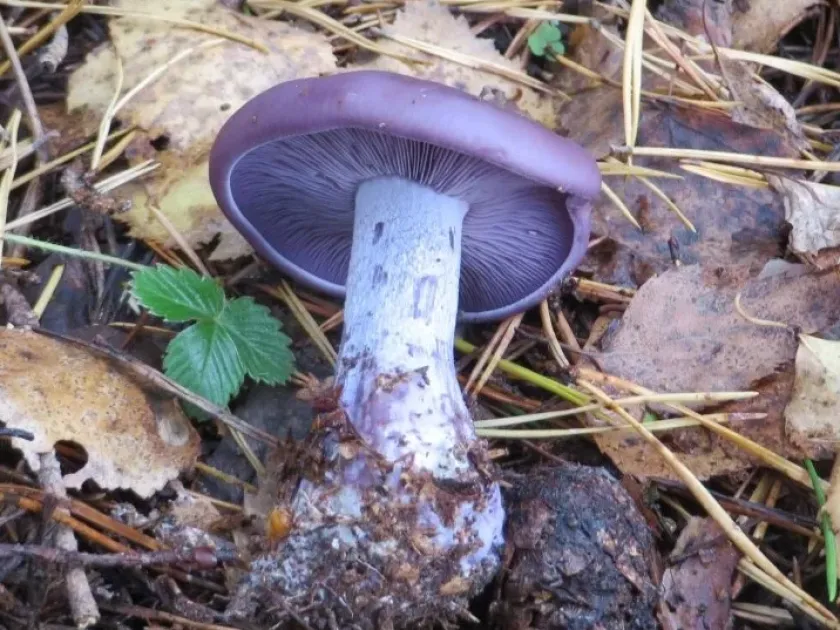
Description
Symptoms
Visible signs of Lepista subnuda include the appearance of fruit bodies, often in rings or clumps, near the base of trees, shrubs, or dense crop plantings. These mushrooms usually have a pinkish-brown or lilac hue.
Plants affected by the fungus exhibit signs of chlorosis and yellowing of the foliage. This decline in vitality is typically observed as a general lack of vigor compared to unaffected plants.
Examination of the root system reveals stunted and necrotic root tips. The mycelial mass may physically cover parts of the roots, preventing efficient absorption of moisture and mineral nutrients.
The soil structure itself often changes in the area of infection. It may become compacted and emit a distinct fungal odor, indicating that the fungal enzymes are actively decomposing organic components in the soil.
Sudden wilting of crops during periods of high demand, such as fruit development, is a common symptom. This occurs because the mycelium disrupts the plant's hydraulic connection to the soil.
Pathogen
Lepista subnuda is a basidiomycete fungus belonging to the Tricholomataceae family. In agronomy, it is often considered a facultative pathogen or a saprotroph that can negatively affect plant development by colonizing the root zone.
The pathogen spreads primarily through spores (basidiospores) and a well-developed mycelium. This mycelium colonizes nutrient-rich substrates, such as decaying organic matter, leaf litter, and mulch, frequently found in garden settings.
The disease type associated with this fungus is characterized by root system interference. While not always an obligate parasite, its aggressive colonization of the rhizosphere inhibits plant growth by disrupting nutrient and water uptake.
The fungus produces metabolic byproducts that alter the soil environment. These changes can negatively impact beneficial soil microorganisms and alter the availability of nutrients necessary for plant health.
Dissemination occurs via windborne spores or through contaminated tools and soil moving between different areas of the field or garden. High infectious pressure is linked to the presence of uncleaned plant debris.
Conditions for development
Optimal conditions for Lepista subnuda include high humidity and damp soil. The fungus thrives in shaded areas where moisture persists for extended periods, such as under dense plant canopies.
The presence of abundant organic matter, including mulch, wood chips, or decaying leaves, provides an ideal substrate for mycelial growth. This environment acts as a reservoir for the fungus.
Temperatures ranging from +12 to +22 degrees Celsius are ideal for active development. Such conditions frequently trigger intense fungal growth, leading to visible impacts on surrounding vegetation.
Soil acidity plays a significant role in pathogen spread. Lepista subnuda prefers slightly acidic environments; therefore, areas with low soil pH are more susceptible to colonization.
Poor soil aeration, caused by compaction or a lack of cultivation, creates a humid microclimate in the root zone, which is essential for the sustained activity of this fungal pathogen.
Why it matters
The primary harm caused by this fungus is the competitive exclusion of plants from essential resources. The mycelium aggressively consumes organic nutrients, leaving plants starved.
Crop yield reduction is a direct consequence of the stress plants experience. Fruits are often smaller, lower in quality, and less marketable compared to those from healthy, thriving plants.
Weakened root systems caused by the mycelium are more susceptible to secondary infections by soil-borne bacteria or other fungi, leading to more complex phytopathological problems.
Nurseries and greenhouses are particularly vulnerable. The moist conditions in these facilities can lead to rapid spread, potentially causing the death of seedlings and young plants.
Persistent presence of the fungus depletes the soil, requiring extensive remedial actions and long-term soil management to restore the balance and prevent future outbreaks.
Protection
Preventive measures include the diligent removal of plant debris and excess mulch from the garden. Depriving the fungus of its food source is the most effective way to curb its spread.
Regular cultivation and aeration of the soil in the root zone are crucial. This helps dry the surface layer and physically disrupts the development of the fungal mycelium.
Applying lime to raise the soil pH can create an environment that is less favorable for Lepista subnuda, as most strains are sensitive to alkaline conditions.
Incorporating biological fungicides containing Trichoderma species helps establish a healthy population of beneficial microbes, which can naturally suppress the growth of the pathogen.
In cases of severe infestation, deep tilling and soil sanitation may be necessary. Crop rotation is also recommended to ensure the soil has time to recover before susceptible plants are reintroduced.
Discussion
No discussions yet — be the first.