
Lepiota pseudohelveola
Lepiota pseudohelveola
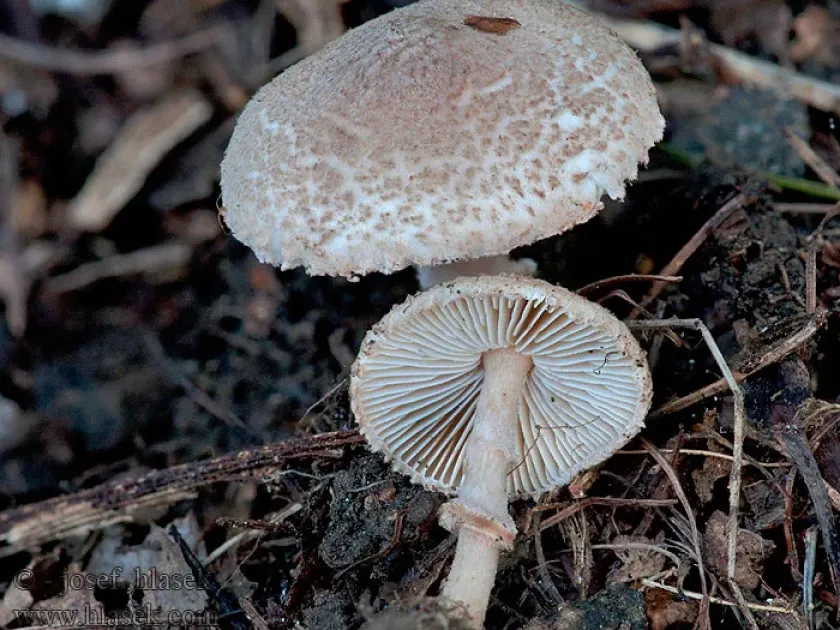
Description
Symptoms
The most evident sign of infestation is the emergence of small, scaly mushrooms on the surface of soil, mulch, or potting mixtures in greenhouse containers.
Beneath the surface, one may observe a white, thread-like web of mycelium spreading through the soil, which can eventually form dense mats.
Plants affected by the presence of this fungus often exhibit symptoms of stunted growth, leaf chlorosis, and a general lack of vigor due to nutrient competition.
A persistent, earthy, or musty fungal smell may be detected in the immediate area where the mycelium is most active.
Soil surfaces may show signs of compaction or altered texture as the fungal mycelium binds soil particles together, affecting the overall soil structure.
Pathogen
Lepiota pseudohelveola is a species of gilled mushroom in the Agaricaceae family. In an agricultural and horticultural context, it functions as a soil saprotroph.
While not a primary plant pathogen that directly invades plant tissues, its aggressive colonization of the rhizosphere can create an unfavorable environment for crop development.
The fungus spreads primarily through a complex network of mycelium that decomposes organic matter within the soil or potting media.
It is characterized by a scaly, brownish cap and a ring on the stipe, features that are common to the Lepiota genus, making it distinguishable from other soil organisms.
The organism thrives in environments rich in humus and decaying vegetable matter, utilizing them as its primary energy source during the vegetative phase.
Conditions for development
The development of Lepiota pseudohelveola is primarily driven by high humidity and consistent moisture levels in the growing medium.
Mild to warm temperatures, typically between 18°C and 25°C, create the optimal conditions for the fungus to transition from vegetative growth to producing fruiting bodies.
The presence of uncomposted organic material, such as straw or raw manure, serves as a nutrient-rich foundation for rapid fungal colonization.
Poor aeration and lack of ventilation in confined spaces, such as polytunnels or greenhouses, significantly increase the risk of rapid spore dissemination.
Fluctuations in soil pH that favor neutral environments can also provide an ecological advantage to this specific species over beneficial soil bacteria.
Why it matters
The primary concern is the intense competition for nutrients and water between the fungal mycelium and the root systems of the cultivated plants.
The accumulation of fungal metabolic byproducts in the soil can disrupt the rhizosphere balance, potentially impacting the health of the host plants.
Some Lepiota species are toxic if ingested; therefore, the presence of these mushrooms poses a safety risk, especially in gardens accessible to pets or children.
Massive colonization of the substrate can impede the movement of oxygen and water into the root zone, potentially leading to secondary issues like root rot.
For greenhouse growers, the rapid spread of this fungus can lead to increased maintenance costs and the need for frequent replacement of the growing media.
Protection
Implementing strict sanitation practices, such as the removal of debris and ensuring all organic components are fully composted, is the most effective preventative measure.
Improving drainage and soil aeration helps to minimize the moisture conditions that the fungus requires for active colonization.
Physical removal of fruiting bodies should be performed promptly to prevent the release and dispersal of spores throughout the growing area.
The use of soil-drenching treatments with appropriate biocontrol agents or copper-based fungicides can help suppress fungal growth when outbreaks occur.
In cases of severe infestation, replacing the top layer of contaminated soil or sterilizing the growing media remains the most reliable solution for long-term control.
Discussion
No discussions yet — be the first.