
Lepiota josserandii
Lepiota josserandii
Description
Symptoms
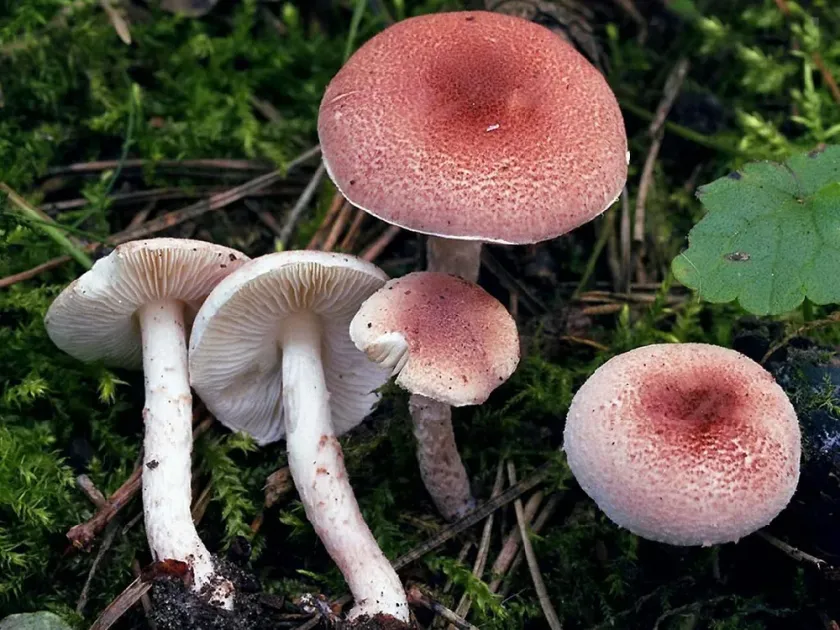
The fruit body typically features a cap measuring 2 to 5 centimeters in diameter, displaying a brownish-pink hue with a darker center.
Its gills are free from the stem, crowded, and typically white or cream-colored, which can lead to confusion with edible species if not carefully inspected.
The stipe is cylindrical and usually possesses a delicate ring, although this feature may degrade or disappear as the mushroom matures.
The flesh does not change color when bruised or cut, which is a critical feature to note when attempting to distinguish it from other agarics.
The mushroom often appears in clusters or as solitary specimens on lawns, garden beds, or near compost areas where organic fertility is high.
Pathogen
Lepiota josserandii is a highly toxic mushroom belonging to the Agaricaceae family. While it is not a plant pathogen that directly attacks crops, it is a significant safety hazard in garden environments.
The organism exists primarily as a mycelium network within the soil, thriving in environments rich in organic matter and decaying plant debris.
It is classified as a saprotroph, meaning it gains its nutrition from dead organic material rather than infecting living plant tissues.
The mushroom contains potent amatoxins, similar to those found in the most lethal species of Amanita, which pose a severe risk of liver failure if ingested.
For agronomists and landscape managers, Lepiota josserandii is viewed as an unwanted biological entity that requires effective sanitation management to ensure human safety.
Conditions for development
This species thrives in moist, shaded environments with a high accumulation of humus, commonly appearing after periods of significant rainfall.
The optimal soil temperature for the development of fruit bodies ranges from 15 to 22 degrees Celsius during the active growing season.
Poorly aerated soils and thick layers of damp mulch create perfect micro-climates for the rapid colonization and growth of this fungus.
Spores are dispersed through wind and water, allowing the colony to spread efficiently across garden beds and grassy areas.
Stable soil moisture and high organic content remain the primary drivers for the sustained presence of this fungus throughout the autumn months.
Why it matters
The primary danger posed by Lepiota josserandii is its extreme toxicity to humans and pets, making it a critical safety issue in public and private gardens.
Although it does not infect crops, its presence suggests soil conditions that may also favor the proliferation of various soil-borne plant pathogens.
Casual contact during gardening or maintenance work requires caution, especially in areas where children or domestic animals are present.
The mushroom's deceptive appearance can lead to accidental ingestion, which is a major concern for property owners and professional landscapers.
Effective management is necessary to mitigate risks and maintain a safe environment for both agricultural and recreational activities.
Protection
The most effective control method is the routine inspection and physical removal of all fruit bodies before they mature and release their spores.
When clearing the area, protective gloves should be worn to prevent any potential skin contact with the fungal toxins or spores.
Managing soil moisture through improved drainage and lawn aeration can significantly reduce the likelihood of new fungal outbreaks.
Reducing the accumulation of surface organic matter, such as old mulch or debris, effectively eliminates the food source for the mycelium.
- Regularly clear fallen leaves and old compost.
- Ensure proper ventilation for soil beds to prevent dampness.
- Maintain short, well-manicured grass to reduce hiding spots for fungi.
- Educate staff on identification to prevent accidental handling or ingestion.
Discussion
No discussions yet — be the first.