
Lepiota forquignonii
Lepiota forquignonii
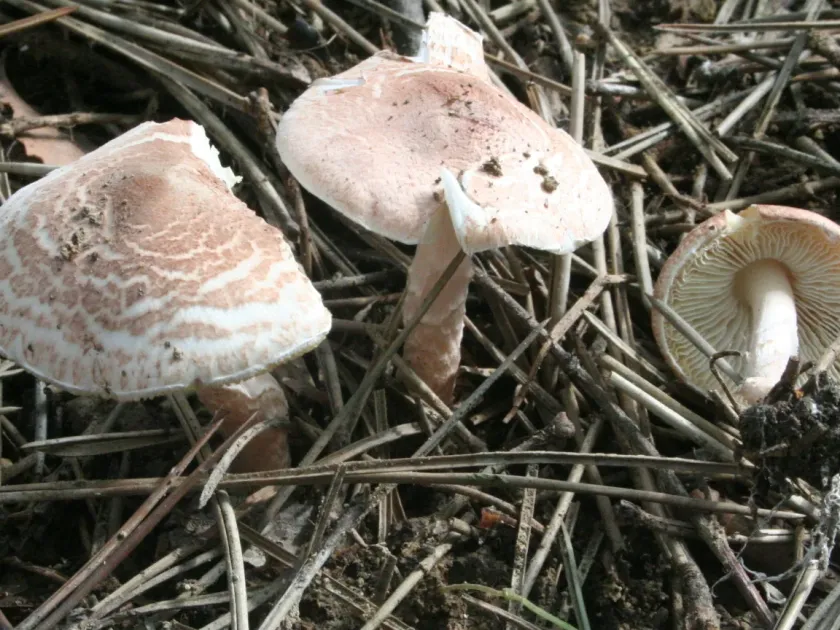
Description
Pathogen
Lepiota forquignonii is not a plant pathogen. It is a saprotrophic fungus that plays a role in decomposing organic matter rather than infecting living plant tissues.
It lacks the biological mechanism required to invade living plant cells, which means it cannot cause diseases such as wilts, rots, or blights in agricultural crops.
In the field of plant pathology, this fungus is categorized as non-parasitic and is considered a harmless inhabitant of nutrient-rich soil environments.
The presence of its mycelium in a garden or field is a sign of high biological activity and organic content in the soil, which is generally beneficial for soil health.
Mistaking this fungus for a disease is common among novice growers, but it is purely a superficial inhabitant that feeds on dead organic residues.
Conditions for development
The species thrives in soils with high organic matter content, such as those amended with leaf mold, compost, or wood mulch.
Moisture is the primary driver for its development; it grows most aggressively during periods of high humidity and rainfall.
Moderate temperatures, typically ranging from 15°C to 22°C, create the ideal environment for the mycelium to spread across the topsoil layer.
Shaded areas and mulched beds provide the perfect microclimate, protecting the fungus from direct sunlight and maintaining steady moisture levels.
As a soil-dwelling fungus, it remains dormant during dry spells and resumes activity quickly once the moisture levels in the soil are restored.
Why it matters
Lepiota forquignonii poses no threat to agricultural productivity or plant health. It does not compete with plants for essential nutrients in a harmful way.
By breaking down decaying vegetation, the fungus contributes to soil aeration and the recycling of carbon, which assists in the overall fertility of the ground.
There is no evidence that this species produces mycotoxins that would be detrimental to neighboring plant life or soil microorganisms.
For most farmers and gardeners, the presence of these fungi is a neutral event that does not require any form of chemical intervention or control.
The fungus is strictly limited to the degradation of dead plant matter, ensuring that no damage is done to living roots, stems, or leaves.
Discussion
No discussions yet — be the first.