
Lepiota cristata
Lepiota cristata
Description
Symptoms
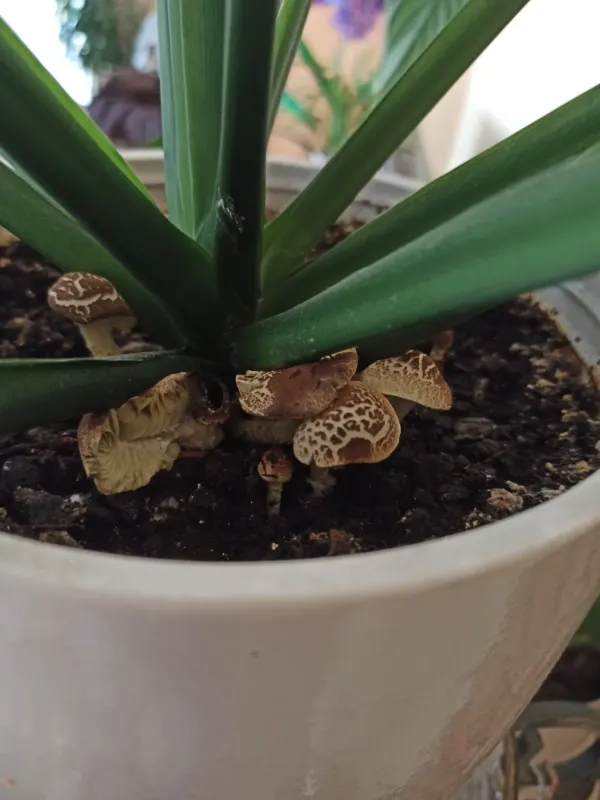
The most visible sign of its presence is the appearance of small mushrooms with white stalks and caps covered in reddish-brown scales. These often emerge in clusters or circular patterns.
Underneath the soil surface or within mulched areas, one can find a network of white or grey hyphae. This mycelial mat can cover large areas of the soil surface during periods of high humidity.
A distinctive, somewhat unpleasant odor is often associated with the presence of Lepiota cristata, especially when the mushroom caps are damaged or in advanced stages of decay.
While the plants themselves remain healthy, the soil around the fungal colony may become hydrophobic or excessively dense due to the mycelial growth, which can hinder proper hydration.
Fruiting bodies are most commonly observed in late summer and autumn when temperature and moisture levels are optimal for the development of the fungal reproductive organs.
Pathogen
Lepiota cristata, commonly known as the stinking dapperling, is a mushroom species in the Agaricaceae family. While not a pathogen that actively attacks living plant tissues, it acts as a soil saprotroph.
The fungus plays a role in the decomposition of organic matter. It thrives in soils rich in humus, often appearing in lawns, gardens, and greenhouses where organic debris is abundant and decomposition is active.
The mycelium of this fungus spreads through the topsoil, breaking down organic compounds. It is a biological component of the soil ecosystem, thriving in environments that are sufficiently moist and nutrient-dense.
Biologically, it is a basidiomycete. Reproduction occurs via spores, which are easily dispersed by wind, rain, or human activity, allowing the fungus to colonize new areas rapidly.
Because it is a decomposer rather than a parasite, it does not infect plants directly, but it can create visible colonies that are often misinterpreted by gardeners as a sign of soil-borne disease.
Conditions for development
The growth of Lepiota cristata is primarily driven by high levels of organic content in the soil. The application of raw manure or poorly composted organic material creates a perfect feeding ground.
Excessive soil moisture is the second critical factor. Poorly drained soils or areas that remain constantly damp after irrigation provide the ideal environment for the mycelium to thrive.
The fungus prefers temperatures between +15 and +25 degrees Celsius. These moderate temperatures allow for rapid expansion of the fungal network and the subsequent formation of fruiting bodies.
Limited airflow is another contributing condition. Dense plantings or stagnant air in greenhouses prevent the soil surface from drying out, which is necessary to inhibit fungal growth.
Mulches, particularly wood chips or bark, provide a structural substrate for the fungus, often leading to colonizations in flower beds and around ornamental shrubs.
Why it matters
The primary concern regarding Lepiota cristata is its toxicity. It is poisonous if ingested, posing a significant risk to pets and young children who may encounter it in domestic gardens.
From an aesthetic perspective, the fungus can disrupt the appearance of lawns and landscapes by forming unsightly rings or patches, which can reduce the visual value of the greenery.
Large-scale mycelial growth can potentially interfere with the soil structure, leading to compaction that reduces root aeration and limits the availability of water to desired plant species.
While the fungus is not a pathogen, its vigorous growth is an indicator of an unbalanced soil environment, often pointing to over-fertilization with organic matter or poor drainage issues.
In greenhouses, the presence of these fungi can be a nuisance for professional growers, as it can be perceived as poor hygiene and potentially competes with plants for nutrients and space.
Protection
Management should focus on cultural practices. Improving soil drainage and ensuring that irrigation is not excessive are the most effective ways to prevent the establishment of the fungus.
Regularly removing mushrooms as soon as they appear, including the top layer of soil, helps to break the life cycle by preventing the release and dispersal of spores.
Using fully composted organic matter instead of raw manure prevents the buildup of the specific nutrient sources that favor the rapid spread of this saprophytic fungus.
Increasing air circulation by pruning dense foliage and thinning out plantings helps keep the soil surface dry, making the area less hospitable to Lepiota cristata.
Chemical control with fungicides is rarely recommended for this species. Instead, focusing on habitat modification and restoring the balance of the soil ecosystem is the sustainable long-term strategy.
Discussion
No discussions yet — be the first.