
Lepiota brunneolilacea
Lepiota brunneolilacea
Description
Symptoms
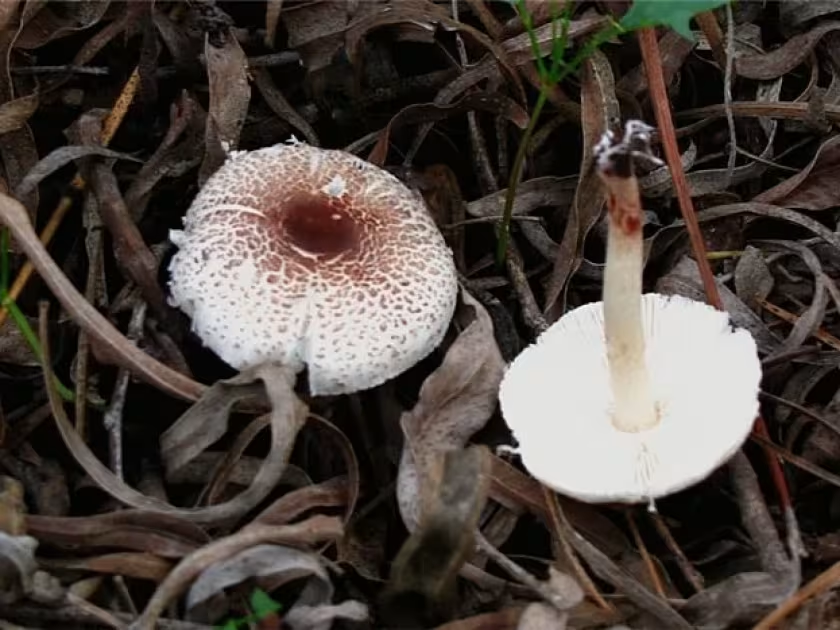
The most evident sign of infestation is the appearance of fruiting bodies from mid-summer through autumn. The cap is typically 2 to 5 centimeters in diameter and displays characteristic brownish-lilac hues.
The surface of the cap is covered in small scales, which often cluster toward the center. Another critical diagnostic feature is the free lamellae (gills) under the cap, which are generally white or cream-colored.
A ring is often visible on the stem, though it may dissipate over time. The base of the stem might show a slight swelling, which is a helpful detail for identification during routine garden inspections.
In areas of heavy mycelial colonization, the soil may develop a distinct mushroom odor, and visible white threads (mycelium) may be found under the layer of mulch or in the topsoil.
Detection is most successful during periods of high humidity and rainfall, as these conditions stimulate the fungus to produce visible fruiting bodies above the soil surface.
Pathogen
Lepiota brunneolilacea is a gilled mushroom species belonging to the Agaricaceae family. While not a conventional plant pathogen that infects living tissue, it acts as a soil saprotroph that thrives on organic matter within the garden substrate.
The organism primarily functions by breaking down decomposing plant material. However, in garden settings, its presence often indicates soil mismanagement, such as excessive humidity or poor aeration, which may inadvertently affect the health of ornamental or edible plants.
The fungus reproduces via airborne spores. Once these spores land in a favorable, moisture-rich environment, they germinate to form a mycelial network that spreads throughout the root zones of plants in the vicinity.
While it does not directly cause diseases like wilting or necrosis in plants, the intense metabolic activity of the mycelium can compete with crops for nutrients and alter the soil's chemical balance, potentially stunting sensitive plant growth.
The most significant concern regarding this species is its high toxicity. It contains amatoxins, the same dangerous compounds found in the death cap mushroom, posing a severe health risk to humans and animals on the property.
Conditions for development
The primary driver for the development of Lepiota brunneolilacea is excessive soil moisture. It thrives in shaded, poorly ventilated garden areas with high concentrations of organic material.
Ideal conditions for mycelial growth and fruiting include stable temperatures between +15°C and +22°C combined with high relative humidity levels, often seen in late summer and early autumn.
Excessive use of uncomposted manure or heavy layers of fresh wood mulch provides a perfect food source, allowing the fungus to establish itself and spread rapidly across garden beds.
Water stagnation caused by poor drainage systems or inefficient irrigation practices creates the microclimate necessary for spores to germinate and colonize the surrounding soil.
The species prefers nutrient-rich, humus-heavy soils where it faces little competition from beneficial soil microbes, enabling it to dominate the local fungal community.
Why it matters
The primary harm associated with Lepiota brunneolilacea is its lethal toxicity. Ingestion of any part of the mushroom can lead to severe poisoning, causing significant damage to the liver and other vital organs.
From an agronomic perspective, its presence is an indicator of degraded soil conditions or poor aeration, which indirectly reduces the overall vigor of crops growing in the affected area.
The fungal network consumes nitrogen and other micronutrients from the soil, potentially depriving nearby plants of the resources they need for optimal growth during the vegetative phase.
The rapid spread of spores makes this species a persistent nuisance that requires ongoing vigilance and cleaning, increasing the labor and maintenance costs of managing a garden or yard.
Furthermore, the presence of such poisonous fungi poses an immediate risk to domestic pets and small children, who may inadvertently encounter or ingest the fruiting bodies.
Protection
The most effective control strategy is to improve soil aeration and drainage. Reducing standing water and ensuring good airflow across the garden surface makes the environment inhospitable for fungal growth.
Regularly remove decomposing plant debris and old mulch. Replacing fresh mulch with fully composted material can significantly reduce the nutritional availability for the fungus.
Deep cultivation of the soil at the end of the season can disrupt the mycelial network, making it difficult for the fungus to overwinter and re-emerge the following year.
When removing fruiting bodies, wear gloves and dispose of them safely, preferably by burial outside the garden, to minimize the risk of spreading spores across the cultivated area.
- Improve drainage to prevent moisture buildup.
- Use only well-composted organic matter as mulch.
- Ensure regular tilling to disturb mycelial growth.
- Monitor and remove mushrooms before spores mature.
- Maintain adequate plant spacing for better ventilation.
Discussion
No discussions yet — be the first.