
Lepiota
Lepiota
Description
Symptoms
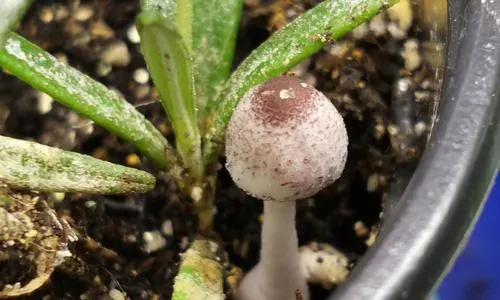
The primary symptom of Lepiota presence is the appearance of small, scaly mushrooms sprouting from the soil, pots, or greenhouse beds.
The caps of these mushrooms often exhibit a characteristic scaly texture with a distinct central bump, making them easily identifiable.
Beneath the surface, you may find a dense network of white or yellowish mycelial threads spreading through the substrate.
Plants growing in proximity to the fungus often show signs of stress, such as stunted growth, wilting, or yellowing leaves due to nutrient competition.
In cases of heavy infestation, a compact fungal mat can form on the soil surface, preventing water penetration and root respiration.
Pathogen
Lepiota belongs to the Agaricaceae family and functions primarily as a saprotroph, feeding on organic matter in the soil.
While not a direct parasite in most cases, the excessive growth of its mycelium disrupts the natural microbial balance required by healthy plants.
The fungus reproduces through spores which are highly resilient and easily spread via wind, water splash, and contaminated tools.
Mycelium of Lepiota can persist in the soil for extended periods, remaining dormant until environmental conditions favor the production of fruit bodies.
Its biological success stems from its ability to efficiently decompose complex organic compounds, allowing it to dominate nutrient-rich substrates.
Conditions for development
High soil moisture is the critical factor that triggers the rapid germination of spores and the expansion of the fungal network.
Substrates rich in partially decomposed organic material, such as peat or low-quality compost, provide the ideal nutrition for the fungus to thrive.
Temperatures between 20°C and 25°C provide the metabolic sweet spot for Lepiota to transition into its reproductive, fruiting phase.
Poor ventilation and high relative humidity in greenhouses create pockets of stagnant air that promote aggressive fungal proliferation.
Low-light conditions, common in indoor settings or dense garden patches, significantly favor the growth of these saprotrophic organisms.
Why it matters
The major harm caused by Lepiota is nutrient immobilization, where the fungus outcompetes plant roots for essential minerals.
The dense mycelial growth creates a physical impediment that limits water uptake and gas exchange, leading to root system decay.
Plants become weakened by the environmental change, making them much more susceptible to secondary infections and physiological disorders.
In ornamental settings, the presence of these mushrooms is highly undesirable due to aesthetic damage to flowerbeds and indoor displays.
Certain species may release secondary metabolites that inhibit the germination of seeds and the growth of delicate seedlings.
Protection
Effective management begins with maintaining a proper watering schedule to ensure that the soil surface dries out between irrigation cycles.
Physical removal of mushrooms at the first sign of growth is vital to prevent the dispersal of millions of spores into the environment.
Using sterile or well-composted substrates is crucial to avoid introducing the fungal pathogen into your garden or greenhouse space.
Treatment with copper-based fungicides or the application of beneficial fungi like Trichoderma can help outcompete and suppress the pathogen.
- Regular soil aeration through gentle cultivation to disrupt mycelial networks.
- Complete replacement of heavily infested soil layers.
- Increasing greenhouse ventilation to lower humidity levels.
Discussion
No discussions yet — be the first.