
Leotiaceae fungi
Leotiaceae
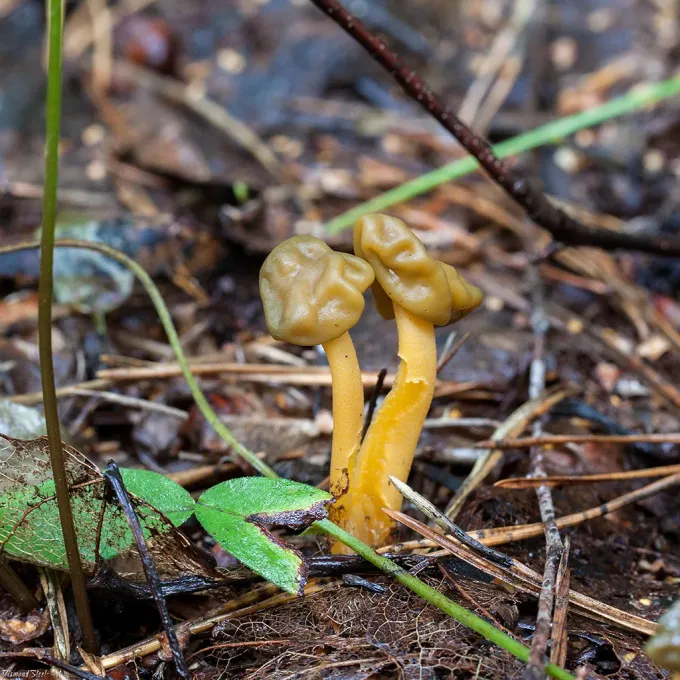
Description
Pathogen
The family Leotiaceae comprises a diverse range of ascomycetes, many of which are significant plant pathogens. These fungi exhibit saprotrophic or parasitic traits, affecting a wide variety of wild flora and cultivated agricultural crops.
The primary diseases caused by these fungi include various types of necrosis, blights, and cankers. They are particularly known for infecting woody and shrubby species, as well as causing post-harvest decay in fruits and vegetables.
The life cycle of these fungi is characterized by the formation of apothecia, which are typically cup-shaped fruiting bodies. The ascospores are disseminated through wind, rain splashes, and insect activity, landing on susceptible plant tissues.
Infection usually occurs through micro-wounds in the bark, sunscald, or insect-induced damage. Once established, the mycelium proliferates within the plant tissues, degrading the cell walls and absorbing nutrients from the host.
Many species within the Leotiaceae family exhibit remarkable resilience, surviving in plant debris as mycelium or dormant structures throughout unfavorable seasons, ensuring the continuity of the infection.
##signs##The initial symptoms often manifest as dark, depressed spots on shoots, leaves, or fruits. As the disease progresses, small, brightly colored or dark fruiting bodies appear on the affected areas.
In woody plants, the infection leads to branch dieback, bark cracking, and the development of deep cankers. On berry and vegetable crops, it often triggers soft or grey rot, causing rapid tissue decomposition.
A distinctive diagnostic sign is the presence of a specific mycelial or conidial layer on the plant surface, which typically darkens over time. Infected tissues lose turgor, become brittle, and develop a brown or black discoloration.
Severe infection affecting the vascular system results in systemic chlorosis and the wilting of the entire aerial part of the plant. Infected fruits often become deformed and covered with fungal sporulation, significantly degrading their quality.
It is essential to distinguish between these fungal symptoms and bacterial infections by observing the presence of characteristic apothecia, which serve as a primary diagnostic indicator for this pathogen family.
Conditions for development
The development of the disease is most rapid under conditions of high relative humidity, typically exceeding 80-85%. The optimal temperature range for the activity of most species is between 15 and 22 degrees Celsius.
Plants with weakened immune systems due to nutrient deficiencies, poor light, or improper irrigation are significantly more susceptible to these fungal attacks.
High-density, poorly ventilated plantings create a microclimate that is ideal for the spread of fungal spores. The lack of proper airflow prevents foliage from drying, maintaining the moisture required for spore germination.
The presence of infection sources in the vicinity, such as uncollected plant debris or infected weeds, dramatically increases the risk of epiphytotic outbreaks during the growing season.
Frequent precipitation or heavy dew creates a thin film of water on plant surfaces, facilitating spore movement and entry into the plant tissues through stomata or mechanical injuries.
Why it matters
The primary economic impact is the significant loss of marketable produce and reduced overall crop yield. Fruits affected by rot are unsuitable for long-term storage or consumer retail.
The disease can lead to widespread mortality among nursery seedlings, causing substantial financial losses for agricultural enterprises. Furthermore, the persistent exhaustion of perennial plantings decreases their productivity over many years.
Infected plants suffer from impaired photosynthesis and metabolic disruption, leading to reduced sugar content and diminished nutritional value in the harvest. Such plants also show increased sensitivity to environmental stress.
Without proper management, the pathogen spreads rapidly to healthy areas, necessitating costly additional chemical treatments. This creates a cycle of increased expenditure and dependency on fungicides.
Long-term consequences include the accumulation of pathogens in the soil and debris, which restricts future crop rotation options and compromises the health of subsequent plantings on the affected land.
Protection
Prophylaxis begins with rigorous cultural practices, including the timely pruning of diseased branches and the sterilization of tools to prevent cross-contamination between plants.
The use of certified healthy planting material and the selection of varieties with proven genetic resistance to specific fungal diseases are the most effective long-term strategies.
Sanitation measures, such as the removal and destruction of crop residues that harbor spores during winter, are mandatory. Deep soil cultivation can also help bury inoculum and reduce surface spore density.
Fungicide applications must follow strict guidelines, targeting critical infection windows. Rotating chemicals with different modes of action is essential to prevent the development of pathogen resistance.
- Ensuring adequate spacing to optimize airflow and reduce humidity;
- Balanced fertilization to bolster plant immune responses;
- Regular field scouting for early detection of infection foci;
- Utilizing biological control agents to suppress pathogen growth;
- Maintaining proper post-harvest hygiene to prevent storage rot.
Discussion
No discussions yet — be the first.