
Leotia lubrica
Leotia lubrica
Description
Symptoms
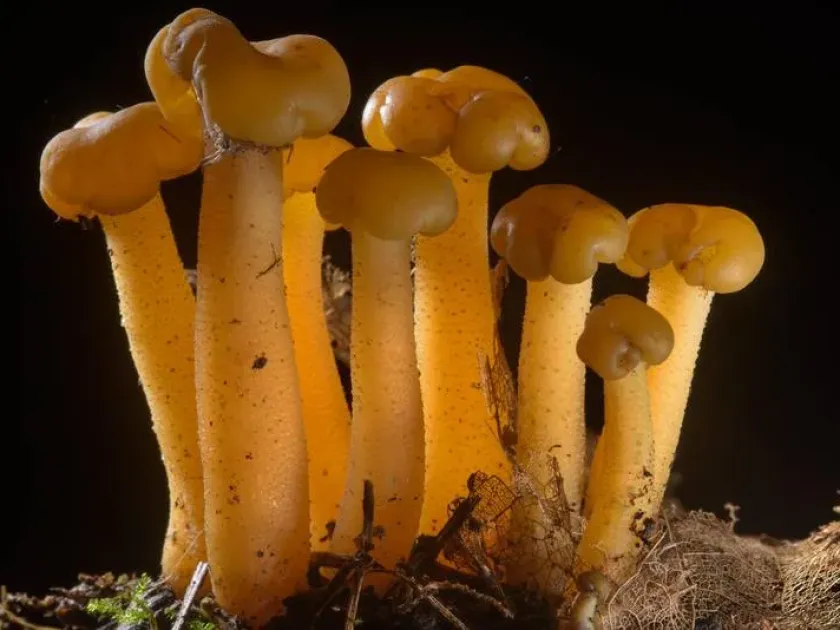
Leotia lubrica, commonly known as the "jelly baby" fungus, is characterized by distinct gelatinous, olive-yellow fruit bodies.
The morphology consists of a cap perched on a stem, both of which exhibit a smooth, slimy surface texture when moist.
Unlike true phytopathogens that create lesions or blights, this fungus does not induce any visible symptoms on living host plant tissues.
The presence of these fungi in a garden environment is merely an indicator of high soil moisture and abundant decaying organic matter.
Distinguishing between the presence of non-pathogenic mushrooms and actual plant diseases is crucial for proper garden management.
Pathogen
The organism is a fungus classified within the Ascomycota division, specifically acting as a saprotroph in its ecological niche.
It is not a plant pathogen; it lacks the biological mechanisms to invade, digest, or destroy living plant cellular structures.
The life cycle revolves around decomposing dead plant materials, such as leaf litter and decaying wood found on the forest floor.
Mycelial growth is strictly confined to the upper organic soil layers where it functions as a natural decomposer and nutrient recycler.
Therefore, classifying Leotia lubrica as a disease-causing agent is scientifically inaccurate as it lacks parasitic activity on crops.
Conditions for development
The development of Leotia lubrica fruit bodies typically occurs in shaded, highly humid environments, such as woodlands or damp garden areas.
The fungus thrives during periods of consistent rainfall and high ambient humidity, which are necessary for the formation of its slippery fruiting bodies.
Preferring acidic soils with a high accumulation of humus, the fungus colonizes areas rich in decomposing vegetable debris.
In agricultural settings, its appearance is usually limited to the peripheries of fields near forests or heavily mulched landscapes.
The key limiting factor for its distribution is the availability of specific organic substrates required for the fungus's saprotrophic nutrition.
Why it matters
Leotia lubrica poses zero threat to living plants, trees, or agricultural commodities, as it is strictly a saprotrophic organism.
It does not cause any form of plant disease, such as rot, wilt, or necrosis, and therefore does not impact crop yields or plant vitality.
From an ecological perspective, it is beneficial as it aids in the breakdown of organic matter, returning essential nutrients to the soil.
Misidentifying this fungus as a plant pathogen may lead to unnecessary concern or the application of ineffective control measures.
It is effectively considered a harmless component of the forest or garden ecosystem that does not require eradication.
Protection
Since the organism is not a disease agent, there are no established chemical protection protocols for "controlling" Leotia lubrica.
If its appearance is deemed aesthetically undesirable, simple mechanical removal or improved site drainage is the most effective approach.
Maintaining a well-aerated garden and limiting the accumulation of excessive damp wood or leaf debris will naturally reduce its habitat.
Fungicidal intervention is highly discouraged, as it disrupts the beneficial balance of the soil microbiota and is unnecessary for this species.
Standard horticultural practices, such as ensuring proper water management and hygiene, are sufficient to prevent the colonization of the site.
Discussion
No discussions yet — be the first.