
Lenzites elegans
Lenzites elegans
Description
Symptoms
The most diagnostic sign of infection is the presence of shelf-like, fan-shaped fruiting bodies on the trunk or stump. These bodies often appear in clusters.
The upper surface of the cap is typically light-colored, ranging from creamy to yellowish, often displaying zoned patterns. The internal tissue is firm and cork-like in texture.
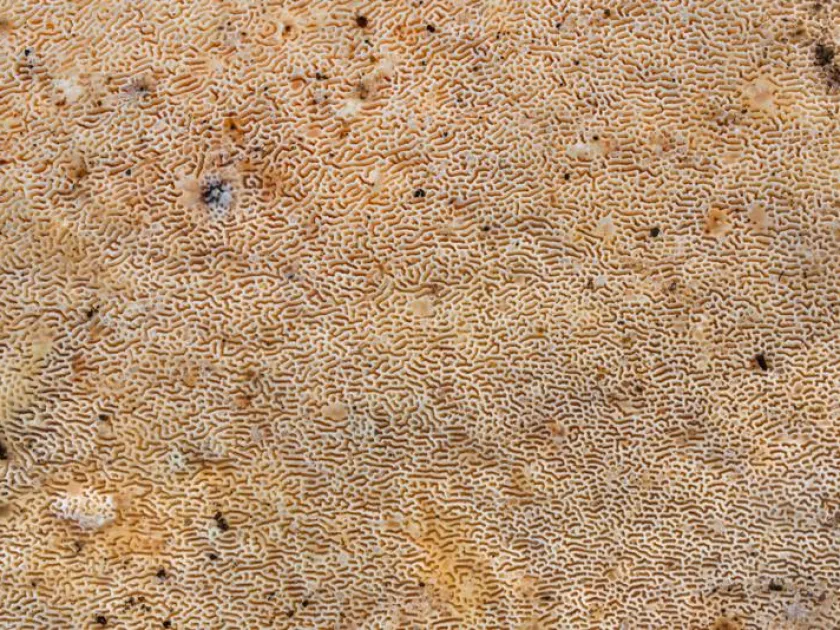
Unlike common polypores, the hymenophore of Lenzites elegans is characterized by distinct lamellate (gill-like) structures, which is a key identification feature.
Infected wood exhibits advanced stages of white rot, where the material becomes bleached, soft, and loses its structural integrity due to the depletion of lignin.
Severe infestations result in the wood becoming brittle, making it easy to crumble even with minimal mechanical pressure or during environmental stresses.
Pathogen
Lenzites elegans is a wood-decaying fungus belonging to the order Polyporales. It is classified as a basidiomycete that specifically causes white rot in both living and dead wood.
The fungus produces an extensive mycelial network that permeates the wood structure. Through the secretion of complex enzymatic systems, it effectively degrades lignin and cellulose components.
The life cycle of this pathogen involves the production of distinct basidiocarps, or fruiting bodies, on the surface of infected wood. These organs release massive amounts of spores.
Being a highly adaptable species, it thrives in a wide range of ecological conditions, readily colonizing weakened hardwood trees and woody debris on the forest floor.
The fungus is capable of remaining dormant in wood remnants for extended periods, serving as a persistent inoculum source within forest ecosystems.
Conditions for development
Optimal development of Lenzites elegans is highly dependent on moisture levels. High humidity within the wood matrix is a prerequisite for rapid mycelial colonization.
Temperature significantly influences the growth rate of the fungus. Warm, humid climates provide the most favorable environment for both its vegetative growth and sporulation.
Physical injuries to the tree, such as frost cracks, sunscald, or insect-caused wounds, act as essential entry points for the fungal spores to establish an infection.
Poorly managed forest stands with high tree density and low airflow create a microclimate that facilitates spore dispersal and increases the risk of spreading the pathogen.
Stagnant water near the root collar or in bark crevices often initiates the infection process, allowing the fungus to penetrate the sapwood and heartwood.
Why it matters
The primary economic impact is the rapid degradation of timber quality, rendering the wood useless for structural purposes or high-value carpentry.
In living trees, the fungus compromises the mechanical stability of the trunk. This creates a high risk of windthrow, where trees may snap during moderate wind events.
By interfering with the hydraulic system of the tree, the pathogen inhibits water and nutrient transport, leading to canopy dieback and eventual tree mortality.
Industrial timber storage is particularly vulnerable. In stacks that are not properly dried, the fungus can spread rapidly, causing significant inventory losses.
Forest management costs increase due to the necessity of removing infected trees and clearing woody debris to stop the progression of the rot through the stand.
Protection
Proactive sanitation is the most effective management strategy. This includes the regular removal and destruction of infected trees, stumps, and fallen deadwood.
Proper silvicultural practices, such as thinning to improve aeration and ensuring trees are not under unnecessary stress, help in maintaining stand vigor and resistance.
For timber preservation, maintaining low moisture content through proper stacking and covering is crucial to prevent the onset of decay during storage.
In high-value ornamental trees, surgical removal of infected tissue followed by the application of systemic fungicides may be employed to manage the pathogen.
- Regular inspection of stand health.
- Prompt disposal of contaminated wood debris.
- Wound care for damaged trees using protective sealants.
- Optimizing harvest schedules to reduce pathogen exposure.
- Maintaining dry storage environments for logs and lumber.
Discussion
No discussions yet — be the first.