
Lentinus tigrinus
Lentinus tigrinus
Description
Symptoms
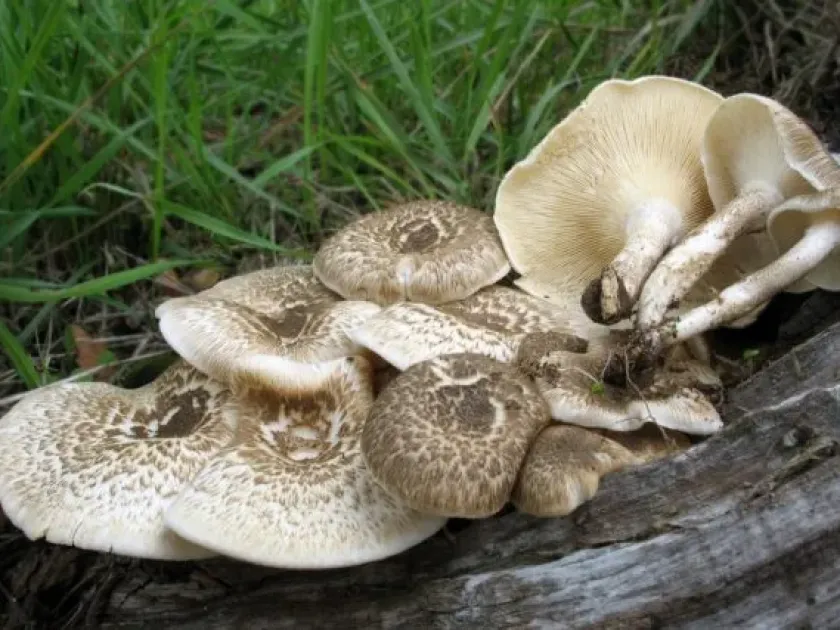
The presence of Lentinus tigrinus is identified by its distinctive funnel-shaped fruit bodies featuring dark, tiger-like scales on the cap surface.
Affected wood displays a characteristic bleached appearance, which is a hallmark of white rot pathogens depleting the wood's lignin content.
As the infection progresses, the wood loses its tensile strength and exhibits fibrous, spongy texture that crumbles easily under pressure.
In advanced stages, internal decay results in the formation of bleached zones interspersed with brownish, residual degraded tissue.
A musty fungal odor often accompanies the active decay process, especially in poorly ventilated environments or enclosed timber stacks.
Pathogen
Lentinus tigrinus is a saprotrophic and parasitic basidiomycete fungus classified as a primary agent of white rot in woody plant tissues.
It typically targets weakened deciduous trees and is a significant destructor of processed lumber and logs stored in humid conditions.
The fungus produces a complex enzyme system that effectively breaks down both lignin and cellulose, leading to a complete structural degradation of the wood.
Reproduction occurs through the release of basidiospores that are easily disseminated by wind and water, allowing the fungus to colonize new substrates rapidly.
Biological resilience allows the fungus to remain dormant within wood tissue until environmental parameters favor the development of fruit bodies.
Conditions for development
Optimal development of the fungus requires a high moisture content in the woody substrate, usually exceeding 25-30% of its dry weight.
Warm environmental temperatures, ranging between 20°C and 28°C, accelerate the rate of mycelial colonization and fruit body emergence.
Inadequate air circulation around timber stacks provides a stagnant, high-humidity environment that acts as a catalyst for fungal proliferation.
Soil contact is a major pathway for initial infection, as the spores of the fungus are commonly found in the forest floor ecosystem.
Mechanical damage to tree bark or improper storage techniques create entry points for the fungal mycelium, facilitating deeper invasion.
Why it matters
The primary economic impact involves severe damage to construction-grade lumber, rendering it structurally unsuitable for building purposes.
Infestations in wood processing facilities lead to significant inventory losses and the potential for rapid cross-contamination of healthy materials.
The fungus contributes to the decline of ornamental and forest trees, causing structural instability and the premature loss of tree stands.
Decayed wood poses safety hazards, particularly in older wooden structures or outdoor timber installations susceptible to collapse.
The degradation process is irreversible, permanently reducing the commercial value and aesthetic quality of affected timber products.
Protection
Effective management requires strict adherence to wood storage protocols, ensuring lumber is kept off the ground and protected from precipitation.
Maintaining a low moisture content in wood (below 20%) is the most effective preventative measure to inhibit fungal metabolic activity.
Application of professional-grade wood preservatives and fungicides creates a durable chemical barrier against initial spore colonization.
Sanitation practices, including the removal of decaying stumps and deadwood, are crucial to reducing the total inoculum load in the vicinity.
- Moisture control through proper ventilation.
- Chemical treatment with wood preservatives.
- Prompt removal of diseased timber sources.
Discussion
No discussions yet — be the first.