
Lentinellus micheneri
Lentinellus micheneri
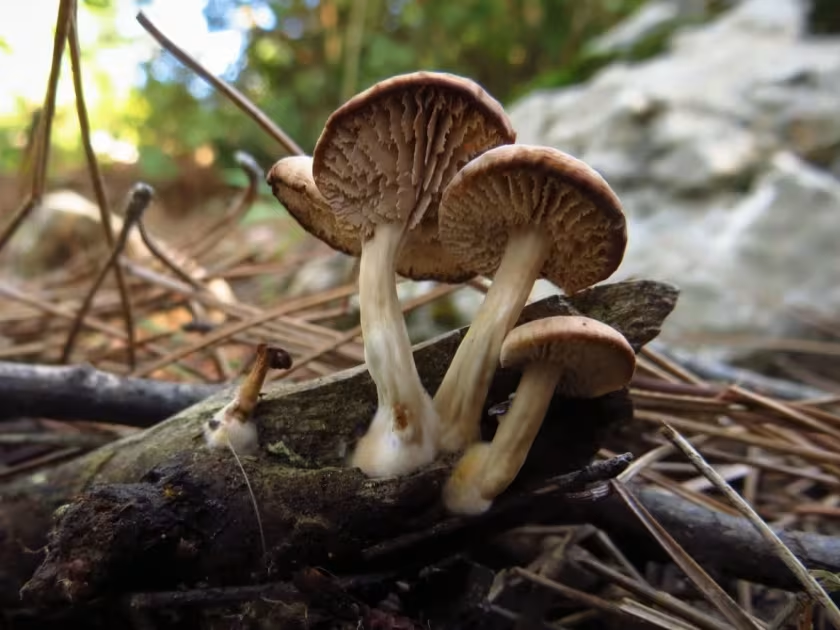
Description
Symptoms
The primary symptom of infection is the physical degradation of wood, which becomes soft, bleached, and fibrous as the fungus metabolizes the lignin component.
In the later stages of colonization, noticeable fungal fruit bodies emerge on the bark surface or within the cracks of decaying logs and trunks.
Infected trees often exhibit severe physiological decline, characterized by early defoliation, stunted annual growth, and crown dieback.
Internal examination of the wood reveals extensive decay patterns, where the timber loses its structural integrity and exhibits characteristic white patches.
The loss of mechanical strength in the wood often leads to structural failure, causing trees to become prone to windthrow and breakage during storm events.
Pathogen
Lentinellus micheneri is a fungal species belonging to the family Auriscalpiaceae. While primarily recognized as a saprotrophic organism, it functions as a wood-decay fungus capable of causing white rot in both coniferous and deciduous species.
The pathogen is characterized by its ability to decompose complex lignocellulosic structures, contributing significantly to wood mineralization in natural environments.
Under specific stress conditions for host plants, the fungus can shift from a saprotrophic lifestyle to opportunistic pathogenesis, invading weakened tissues through existing wounds.
The fungus produces distinct fruit bodies that serve as the reproductive stage, releasing large quantities of spores into the environment to colonize new substrates.
From an agronomic and forestry perspective, this species is identified as an agent of structural decay, necessitating appropriate monitoring to maintain timber quality.
Conditions for development
Lentinellus micheneri thrives in high-humidity environments, which are essential for spore germination and the rapid expansion of the fungal mycelial network.
Trees experiencing high levels of stress, such as drought, nutrient deficiency, or infestations by wood-boring insects, provide the ideal substrate for colonization.
The fungal development is most aggressive within a temperature range of +15°C to +25°C, corresponding to peak growing seasons in temperate climates.
Open wounds on the trunk or exposed root systems significantly lower the defense barriers of the host, allowing the fungus easy access to the inner tissues.
Poor forestry practices, such as failing to clear fallen logs and diseased debris, create massive reservoirs of the pathogen that facilitate rapid spread.
Why it matters
The major harm caused by this fungus is the rapid reduction in timber value, as the white rot renders the wood structurally unstable and unusable for industrial purposes.
The continuous colonization of tree tissues leads to gradual death, impacting the overall density and health of the forest ecosystem.
Increased vulnerability of trees to breakage poses safety risks in managed forests, parks, and recreational areas where human activity is frequent.
The presence of the fungus weakens host defense mechanisms, making the trees more susceptible to secondary infestations by bark beetles and other pests.
Long-term degradation of forest stands results in substantial economic losses and requires expensive reclamation efforts to restore the site.
Protection
The most effective strategy for mitigation is strict adherence to sanitary forestry practices, including the prompt removal of infected timber and deadfall.
Minimizing mechanical injury during harvesting operations is critical, as any break in the bark provides an entry point for fungal spores.
Regular visual inspections of forest stands help to identify early-stage infections before they can transition into larger disease outbreaks.
In high-value areas, the application of protective coatings to pruning wounds or damaged bark can serve as a physical barrier against colonization.
- sanitary logging;
- debris removal;
- wound disinfection;
- maintaining soil health.
Discussion
No discussions yet — be the first.