
Lentinellus cochleatus
Lentinellus cochleatus
Description
Symptoms
The most visible symptom is the emergence of distinctive, complex-looking fruiting bodies. They are typically reddish-brown to cinnamon-colored and often emit a strong, anise-like odor.
Internally, the wood undergoes a transformation characterized by the "white rot" process. Infected sections become bleached, spongy, and lose their structural integrity over time.
Underneath the bark, white mycelial cords or mats may be observed, signifying the active colonization of the tree's inner vascular system and structural tissues.
Affected trees often exhibit decline symptoms, including thinning crowns, yellowing leaves, and the progressive dieback of branches due to the impairment of water and nutrient transport.
Cracks in the bark and the presence of decayed heartwood are clear signs of advanced infection, often leading to hollow trunks and increased susceptibility to snapping.
Pathogen
Lentinellus cochleatus is a basidiomycete fungus classified as a wood-decaying organism. It is primarily known for causing white rot, which involves the degradation of lignin and cellulose within woody substrates.
The pathogen reproduces via airborne spores that land on exposed wood surfaces. Once established, the mycelium penetrates deep into the sapwood and heartwood of the host plant.
It acts as a facultative parasite, often taking advantage of trees that are already stressed or wounded. In many cases, it functions as a saprotroph, decomposing dead organic matter.
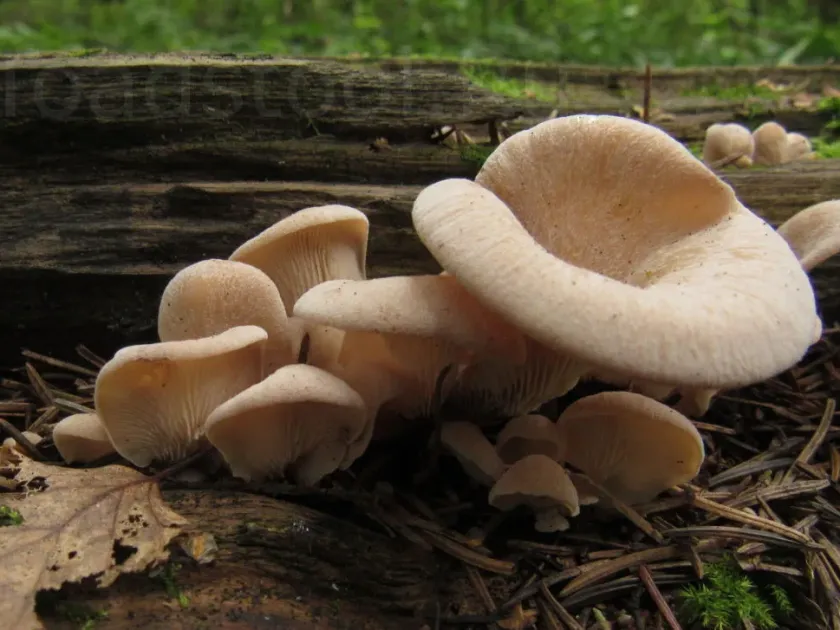
The fungus is characterized by its funnel-shaped or shell-shaped fruiting bodies, which often grow in clusters. These bodies release spores that perpetuate the cycle of infection in forest ecosystems.
The biology of L. cochleatus is well-adapted to decaying wood in cool, moist environments. It remains active as long as the wood moisture content stays within a favorable range.
Conditions for development
The development of Lentinellus cochleatus is highly dependent on environmental factors, particularly humidity. High moisture levels in the wood are essential for mycelial expansion.
Cooler, shaded areas with poor air circulation are preferred by the fungus. This microclimate prevents the drying of the wood surface, allowing the infection to take hold quickly.
Physical injuries, such as broken limbs, frost cracks, or wounds from maintenance equipment, serve as critical entry points for the fungal spores to enter the host.
Trees suffering from drought, poor nutrition, or soil compaction are significantly more susceptible to the disease because their natural defenses are weakened.
The proximity of infected wood debris or stumps acts as a massive reservoir for spores, facilitating the spread to healthy trees in the immediate vicinity.
Why it matters
The primary harm caused by this fungus is the compromise of the tree's structural stability. This increases the danger of branch failure or total tree collapse.
In forestry, the disease leads to significant economic losses as the quality of timber is severely degraded by the rotting process, rendering it unsuitable for structural use.
Ornamental trees lose their aesthetic value as they suffer from crown dieback and eventually die, necessitating expensive removal to prevent further spread.
The breakdown of the tree's vascular system disrupts the movement of sap, leading to the overall physiological decline and eventual death of the organism.
The fungus acts as a persistent threat in the landscape, serving as a focal point for further infections that can gradually degrade the health of an entire forest stand.
Protection
Sanitation is the most effective management strategy. This includes the removal and proper disposal of all infected trees, stumps, and fallen woody debris from the area.
Preventative measures should focus on protecting trees from physical wounds. If pruning is necessary, ensure that cuts are clean and protected with appropriate sealants.
Improving the health of the host through adequate watering and fertilization helps the tree resist fungal colonization more effectively.
Regular monitoring of trees for early symptoms allows for quicker intervention. Removing individual branches that show early signs of rot can sometimes prevent the spread to the trunk.
- Thin the canopy to improve air circulation and light.
- Sanitize pruning tools between cuts to prevent cross-contamination.
- Monitor the site for fruiting bodies during wet seasons.
- Protect the bark from machinery and vehicle damage.
- Promote biodiversity to balance the ecosystem and suppress pathogens.
Discussion
No discussions yet — be the first.