
Lentinellus
Lentinellus
Description
Symptoms
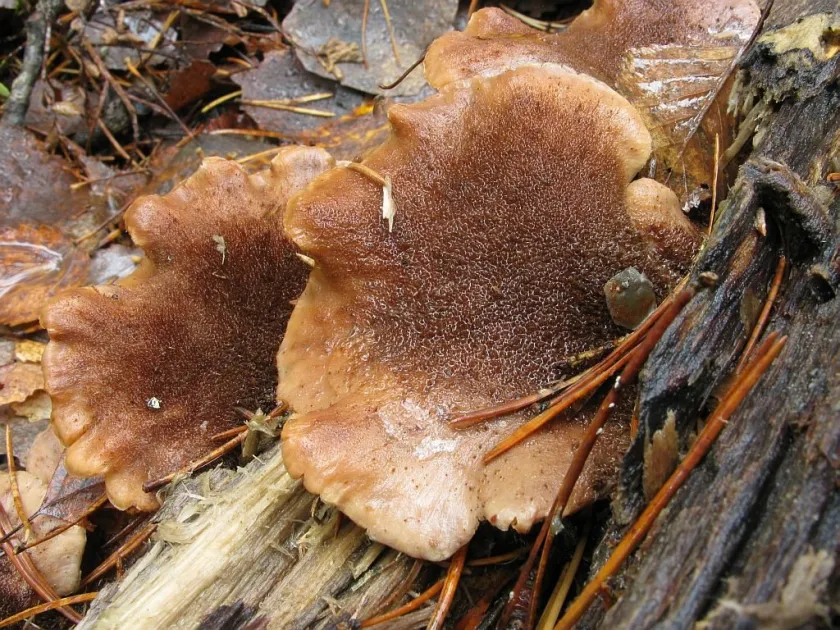
The primary visual sign of a Lentinellus infection is the appearance of fruiting bodies on the tree bark, stumps, or cut surfaces. These bodies often take on a fan or funnel shape.
The surface of the mushroom cap is typically covered in fine scales or small hairs, while the margins are distinctively serrated, which is a key diagnostic feature of this genus.
The hymenophore (underside of the cap) color ranges from white to cream or ochre. The gills underneath exhibit characteristic small, jagged edges when inspected closely.
Wood affected by this fungus becomes brittle and loses its structural strength, often showing a fibrous texture indicative of white rot as the decay progresses.
In advanced stages of infection, extensive mycelial masses may be found within the wood, accompanied by a noticeable discoloration and reduction in wood density.
Pathogen
The genus Lentinellus belongs to the Auriscalpiaceae family and consists of basidiomycete fungi. These organisms are primarily classified as xylotrophs, known for their ability to decompose wood components.
The pathogen typically targets dead or decaying wood, though it can colonize weakened living trees under specific environmental conditions, leading to decay processes.
The fungus mycelium penetrates deeply into the wood structure, utilizing a sophisticated enzymatic apparatus to break down lignin and cellulose, which compromises the integrity of the tree.
From a pathological perspective, Lentinellus functions as a facultative parasite that thrives when the host plant's natural defense mechanisms are compromised.
The genus includes a wide variety of species, allowing these fungi to adapt to diverse tree species in both coniferous and deciduous forests across various climates.
Conditions for development
The development of Lentinellus is strictly dependent on moisture levels within the wood. Optimal conditions include high humidity and temperatures ranging from 15 to 25 degrees Celsius.
Damage to the bark caused by pests, frost cracks, or mechanical injuries provides entry points for fungal spores to colonize the interior of the tree.
Dense, unmanaged plantings with poor air circulation prevent proper drying of tree trunks after rain, creating an ideal microclimate for fungal colonization.
The presence of woody debris, such as fallen branches, logs, and decaying stumps in the vicinity, serves as a reservoir for spores, increasing the risk of infection.
Environmental stress, such as drought or nutrient deficiency, weakens the host tree, significantly reducing its natural resistance to wood-decaying fungi.
Why it matters
The main danger posed by Lentinellus is the structural deterioration of the tree. By breaking down lignin, the fungus drastically reduces the wood's load-bearing capacity.
Trees infected with Lentinellus often become hazardous, as the risk of trunk or branch failure increases significantly during high winds or heavy snowfall.
In orchards, infection leads to the premature dieback of branches and reduced tree vigor, ultimately resulting in lower fruit yields and overall decline.
The fungus can spread to healthy areas of the tree if left untreated, leading to progressive wilting and eventual death of the affected parts.
Furthermore, in forestry, Lentinellus reduces the quality of wood as a raw material, making it technically unsuitable for high-quality construction or woodworking purposes.
Protection
The primary control measure is regular sanitation. All dead or infected branches, stumps, and woody debris should be removed and disposed of properly to reduce spore load.
If fruiting bodies are detected on a living tree, the infected area should be carefully excised down to healthy wood and the wound treated with an appropriate fungicide.
Proper horticultural practices, including timely pruning, sealing large wounds with tree paint, and maintaining adequate nutrition, enhance the tree's natural defense system.
Thinning out crowns in dense plantings helps improve air circulation, ensuring that trunks remain dry and less susceptible to fungal establishment.
Applying protective fungicides to fresh pruning cuts acts as a preventative barrier, limiting the opportunity for Lentinellus spores to germinate and colonize the wood.
Discussion
No discussions yet — be the first.