
Legionella
Legionella
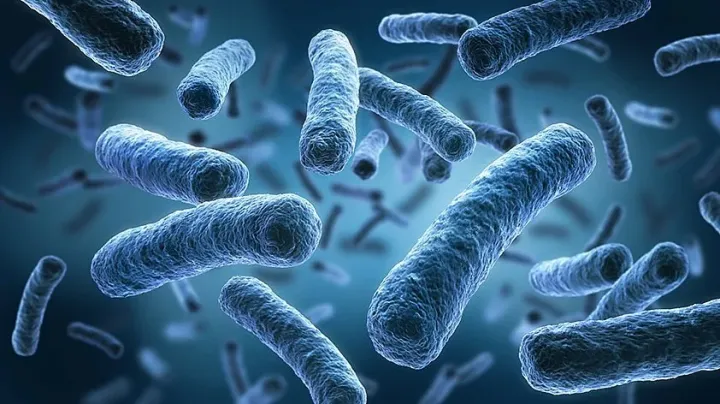
Description
Pathogen
The causative agent is a Gram-negative bacterium of the genus Legionella, most notably Legionella pneumophila. While typically associated with human health, in agriculture, it acts as a persistent contaminant in water supply systems.
These bacteria form robust biofilms on the internal surfaces of irrigation pipes, drip lines, and water storage tanks, making them exceptionally difficult to eradicate without specialized treatment.
The biological characteristics of the pathogen allow it to survive across a wide temperature range, successfully adapting to the moist environments of greenhouse facilities.
Within water systems, these bacteria often colonize amoebae and other protozoa, which provide protection from harsh environmental conditions and traditional sanitization efforts.
Scientific evidence indicates that high-moisture agricultural environments provide the ideal ecological niche for Legionella, leading to its accumulation in intensive horticultural systems.
Conditions for development
Legionella thrives in stagnant water with temperatures between 25°C and 45°C, conditions frequently encountered in greenhouse reservoirs during the growing season.
The presence of organic matter, such as peat residues, fertilizers, or soil particles, acts as a nutrient source that accelerates the formation of biofilms within the irrigation lines.
Inadequate hydraulic flow in certain sections of the greenhouse plumbing allows for biofilm development, which subsequently acts as a reservoir for continuous bacterial shedding.
High relative humidity and poor air circulation in greenhouses promote the formation of fine water aerosols during irrigation, facilitating the transport of bacteria into the air.
Failure to implement standardized sanitation protocols for irrigation infrastructure leads to an exponential increase in colony-forming units, posing significant operational risks.
Why it matters
The primary concern is the potential health hazard to agricultural workers, as inhaling water aerosols contaminated with Legionella is a known pathway for severe respiratory infections.
Bacterial contamination of irrigation solutions can disrupt the delicate microbiological balance in the root zone, potentially negatively impacting plant health and stress resistance.
Biofilm accumulation can lead to physical clogging of drip emitters and misting nozzles, resulting in uneven water and nutrient distribution across the crop.
Economically, the presence of these pathogens requires costly remediation efforts, including the need for specialized chemical treatments and infrastructure cleaning.
Neglecting these hazards can lead to operational downtime, as mandatory sanitary inspections and equipment deep-cleaning procedures may be required to resolve contamination issues.
Protection
Effective control involves the regular disinfection of water supply lines using methods such as ultraviolet (UV) radiation or the application of hydrogen peroxide and silver ions.
Operational management should focus on preventing water stagnation and maintaining reservoir temperatures outside the optimal growth range for the bacterium.
- Regular flushing of irrigation lines to prevent biofilm buildup.
- Implementation of fine-mesh filtration to remove suspended organic particles.
- Periodic laboratory testing of water samples for bacterial presence.
- Proper maintenance of fertigation equipment to ensure clean flow.
Ensuring adequate air circulation within the greenhouse is crucial to minimizing the inhalation risk associated with water aerosolization during irrigation cycles.
Staff should be trained in standard operating procedures for equipment maintenance and wear appropriate respiratory protection when cleaning irrigation systems to ensure safety.
Discussion
No discussions yet — be the first.