
Lasiosphaeria
Lasiosphaeria
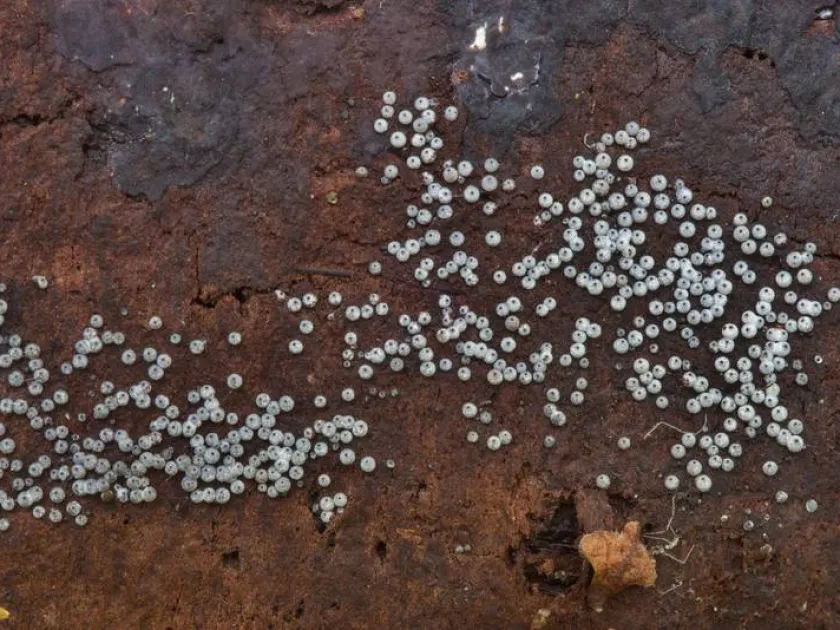
Description
Pathogen
The disease is caused by fungi of the genus Lasiosphaeria, which belong to the Sordariomycetes class. These organisms primarily exist as saprotrophs, decomposing organic matter, but can act as opportunistic parasites under conducive environmental conditions.
These fungi produce perithecia, which are small, dark fruiting bodies often covered in fine, hair-like structures. These features are key diagnostic characteristics for identifying the pathogen in laboratory settings.
The lifecycle of Lasiosphaeria involves the production of ascospores. These spores are released into the environment and can be dispersed long distances by wind or water, leading to the rapid spread of the fungus across fields.
Once settled on a host, the fungus uses its mycelium to penetrate plant tissues. It secretes specific enzymes that degrade cell walls, allowing the fungus to feed on the nutrient-rich contents of the plant cells.
The fungus is highly resilient and can remain dormant in soil or on crop residues for extended periods, waiting for suitable environmental triggers to initiate a new infection cycle.
Conditions for development
High humidity and consistent moisture are the most critical factors for the development of Lasiosphaeria. The fungus thrives in environments where water remains on leaf surfaces or in the soil for prolonged durations.
Temperatures between 15 and 22 degrees Celsius provide the optimal range for the rapid germination of spores and subsequent colonization of host plant tissues.
Poor field ventilation, often caused by excessively dense planting, creates a humid microclimate that significantly increases the risk of fungal outbreaks.
The presence of unharvested or partially decomposed crop residues acts as an ideal substrate for the fungus to persist and multiply before attacking living plants in the new season.
Excessive irrigation or poor soil drainage facilitates the buildup of the pathogen, especially in areas where stagnant water accumulates around the root zones of susceptible crops.
Why it matters
The harm caused by Lasiosphaeria is primarily due to the disruption of internal plant processes. As the fungus degrades tissue, it impairs the movement of water and minerals through the plant's vascular system.
Infected plants often show signs of necrosis, chlorosis, and general wilting, which result in a significant decrease in the photosynthetic efficiency of the leaves.
The pathogen's impact is compounded by the weakened state of the plant, which becomes highly susceptible to secondary attacks from other pathogens and pests.
Reduced crop vigor leads to lower biomass production, and if the infection occurs early in the growth stage, it can significantly decrease the final yield potential.
Furthermore, the contamination of harvested produce with fungal structures or enzymes can degrade its quality, making it unsuitable for market or long-term storage.
Protection
Integrated disease management (IDM) is the most effective approach to controlling Lasiosphaeria. Rotating crops is essential to prevent the buildup of soil-borne spores.
Sanitation practices, such as the complete removal or deep burial of infected plant residues, are crucial for eliminating the primary inoculum sources from the field.
Fungicide applications are recommended when weather conditions favor disease development; however, these must be timed precisely based on field scouting and economic thresholds.
Proper field management, including optimal spacing and ensuring good soil drainage, helps reduce the humidity levels that the fungus needs to thrive.
- Utilizing disease-free seeds and planting material.
- Applying preventive bio-fungicides to bolster plant defenses.
- Monitoring fields regularly for early symptoms of fungal tissue degradation.
Discussion
No discussions yet — be the first.