
Lasiobolus ciliatus
Lasiobolus ciliatus
Description
Pathogen
Lasiobolus ciliatus is an ascomycete fungus belonging to the Ascobolaceae family. While it is primarily recognized as a coprophilous (dung-inhabiting) fungus, it often appears in agricultural ecosystems as a saprotroph colonizing organic-rich substrates or plant residues.
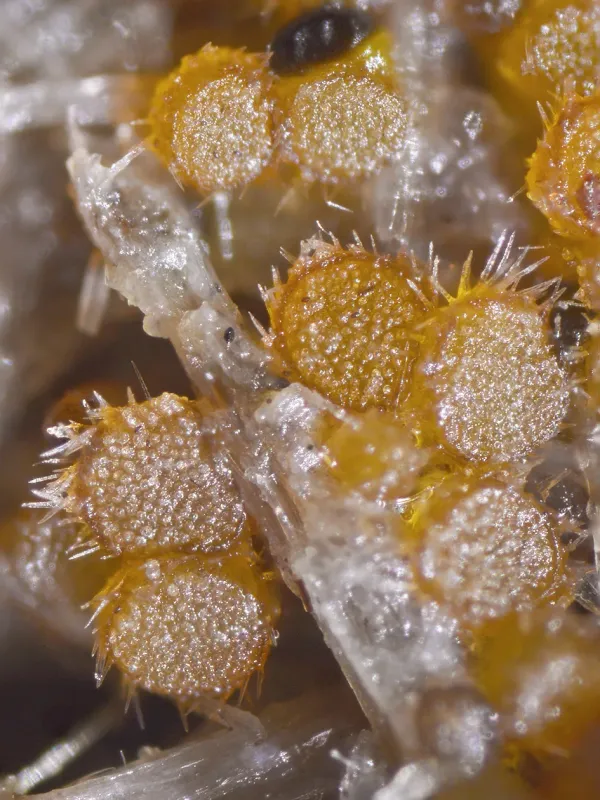
The biological hallmark of this species is the formation of small, cup-shaped fruiting bodies known as apothecia. These structures are covered with distinctive stiff, hair-like appendages, referred to as cilia, which are crucial for the morphological identification of the fungus.
Unlike aggressive primary pathogens, Lasiobolus ciliatus typically acts as an opportunistic organism. It thrives on decomposing organic matter, particularly in substrates enriched with nitrogenous compounds or poorly decomposed manure used in potting mixes.
The life cycle involves the production of ascospores that can remain dormant in the soil or substrate for extended periods. These spores are easily disseminated by wind, irrigation water, and the movement of agricultural equipment across farming sites.
The presence of this fungus often serves as an indicator of poor substrate quality or inadequate sanitation practices. Its colonization of greenhouse environments signals that environmental conditions favor the development of opportunistic fungal growth.
Conditions for development
The development of Lasiobolus ciliatus is heavily dependent on high moisture levels and the presence of organic debris. It is most frequently encountered in greenhouse settings where ventilation is poor and humidity levels remain constantly high.
The use of fresh or improperly composted manure in growing media is a primary factor in promoting its proliferation. These organic materials provide the necessary nutrients for the fungus to develop visible clusters of apothecia on the soil surface.
The optimal temperature range for the growth of its mycelium and fruiting bodies is between 18 and 24 degrees Celsius. Fluctuating temperatures can trigger the production of new fruiting structures on the substrate surface.
Dense plant spacing, which impedes air circulation near the soil line, creates a microclimate that is highly conducive to the growth of this saprotroph. The lack of air movement allows the surface to remain damp for prolonged periods.
Contaminated tools and equipment, which have come into contact with infected debris, act as the primary vectors for transferring spores into new production areas, posing a challenge for intensive commercial greenhouses.
Why it matters
The primary concern regarding Lasiobolus ciliatus is the physical suppression of young plants. By forming dense patches on the substrate surface, the fungus restricts root respiration and interferes with the proper uptake of water and nutrients.
The fungus competes for essential resources within the rhizosphere, potentially leading to stunted growth and chlorosis in seedlings. This competition at the root level can significantly delay the development of young crops during sensitive growth stages.
Beyond direct competition, the fungal mat alters the microbial balance of the soil. This disruption can inhibit beneficial bacteria that support plant health, making the root system more vulnerable to opportunistic bacterial infections.
Seedlings growing in a substrate heavily colonized by Lasiobolus ciliatus exhibit lower stress tolerance. Although the fungus does not directly digest living tissues, it creates an unfavorable growing environment that lowers the crop's immune status.
In commercial operations, the presence of this fungus requires costly sanitation efforts and may lead to reduced yields or the need to discard batches of seedlings that fail to thrive in the contaminated environment.
Protection
Effective control of Lasiobolus ciliatus relies on rigorous substrate hygiene and agronomic management. It is essential to use only fully matured compost and high-quality growing media that have undergone heat sterilization.
To reduce risk, greenhouse managers should optimize irrigation schedules and improve ventilation to prevent water stagnation on the soil surface. Keeping the substrate surface dry is a key factor in inhibiting the formation of apothecia.
Biological control agents, such as beneficial bacterial inoculants, can help establish a healthy microflora in the rhizosphere, effectively outcompeting saprotrophic fungi for resources and space.
Regular cultivation or stirring of the topsoil layer improves aeration and promotes drying, which is critical for disrupting the fungal lifecycle and preventing the establishment of large colonies.
- Heat sterilization of growing media before use.
- Maintaining air humidity levels below 80%.
- Ensuring proper soil aeration to prevent surface crusting.
- Utilizing well-draining, high-quality peat substrates.
- Strict hygiene protocols for tools and greenhouse equipment.
Discussion
No discussions yet — be the first.