
Lactarius lignyotus
Lactarius lignyotus
Description
Symptoms
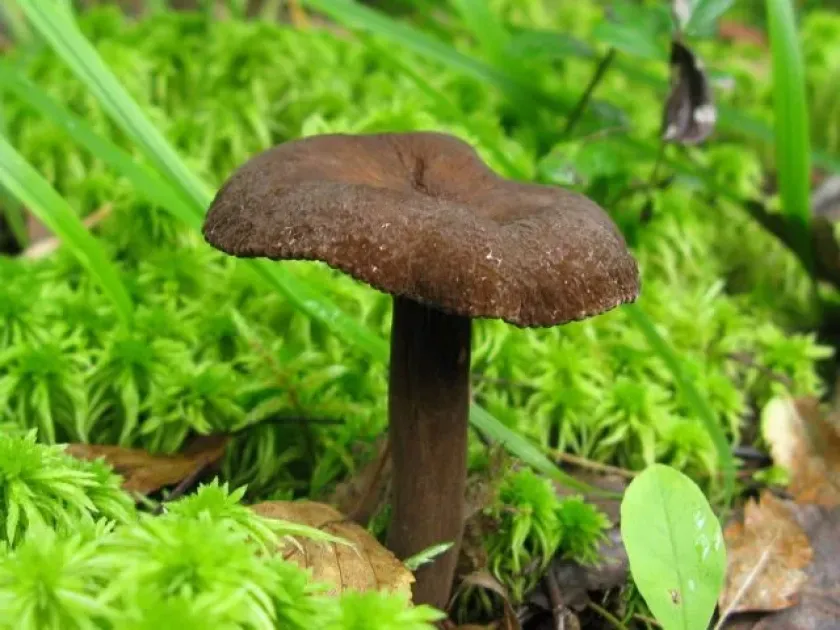
The fruiting bodies feature a distinctive dark brown to black cap with a radial wrinkled appearance, which is a key morphological identifier for this species.
The gills are closely spaced, initially white or cream-colored, and eventually turn ochre with age, which aids in field identification.
The stipe is typically similar in color to the cap, exhibiting a firm, cylindrical structure that is consistent with its development.
When damaged, the flesh exudes a white milk that changes color upon oxidation, providing a reliable diagnostic feature for mycologists.
The scent is generally subtle, and the taste of the flesh is often mild, allowing it to be distinguished from more acrid or bitter Lactarius species.
Pathogen
Lactarius lignyotus, commonly known as the sooty milk cap, is a mycorrhizal fungus belonging to the Russulaceae family. It is crucial to note that this organism is not a plant pathogen or a disease agent.
The fungus does not cause any plant diseases; instead, it maintains a symbiotic relationship with trees by forming ectomycorrhizae on their root systems.
Biologically, it is a cap mushroom with a velvety texture and a dark brown color, posing no threat to agricultural crops or forest plantations.
The fungal mycelium spreads through the forest soil and leaf litter, actively interacting with roots to facilitate the exchange of water and minerals.
This species is characterized by the production of a white latex that slowly turns reddish or pink upon exposure to air, serving as a vital identification marker.
Conditions for development
The fungus thrives in moist coniferous forests, where it forms mycorrhizae primarily with spruce trees in areas with sufficient humidity.
Fruiting occurs between July and September, requiring optimal soil moisture and temperature conditions for the development of the mushrooms.
Successful growth of the mycelium requires a rich humus layer and the specific microclimate conditions typical of coniferous environments.
The ecological niche of this species is tied to the health of the host trees, which provide the fungus with the organic nutrients necessary for growth.
Prolonged drought can inhibit the emergence of fruiting bodies, leading the mycelium to enter a dormant state until favorable conditions return.
Why it matters
Lactarius lignyotus causes no harm to trees, forest health, or any agricultural plants, as it is a beneficial symbiont rather than a parasite.
Its presence is considered an indicator of a healthy forest ecosystem and well-functioning mycorrhizal networks.
The fungus does not induce wilting, rot, or any pathological symptoms in the tissues of the host plants.
Scientific studies confirm that it is an ecologically safe organism that contributes to soil nutrient cycling without affecting the vitality of trees.
Its economic importance is restricted to its role as a wild edible mushroom rather than any involvement in agronomical damage.
Protection
Control measures are not required for this organism, as it is neither a pest nor a pathogen, but rather a vital part of the natural forest flora.
Prevention of its growth is unnecessary and counterproductive, given its beneficial role in supporting tree health through symbiotic associations.
Forest management practices should focus on maintaining the natural soil structure to support the development of such mycorrhizal species.
The application of fungicides in areas where this fungus exists should be avoided to prevent disrupting the essential mycorrhizal balance.
The assessment of forest health should prioritize tree condition, recognizing that such fungi serve as indicators of an ecologically sound environment.
Discussion
No discussions yet — be the first.