
Laccocephalum mylittae
Laccocephalum mylittae
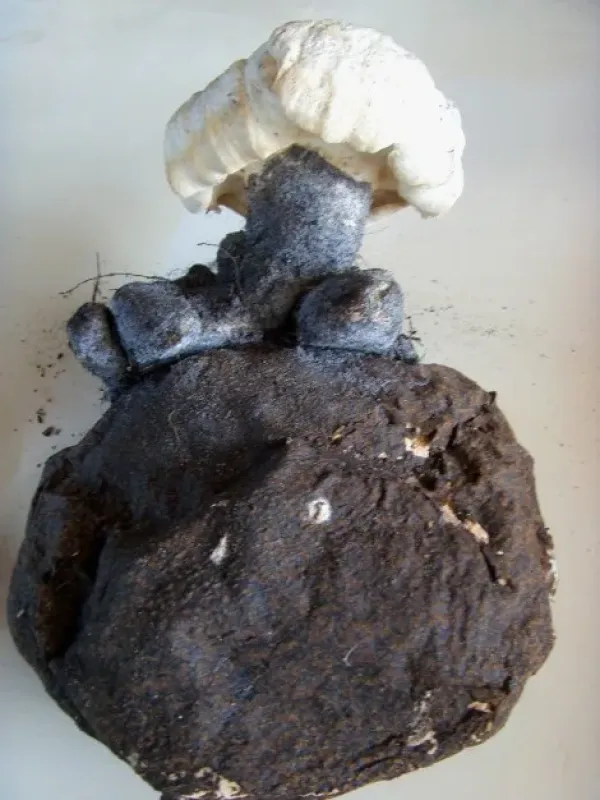
Description
Pathogen
Laccocephalum mylittae, commonly referred to as the «blackfellow's bread» fungus, is a distinctive basidiomycete that produces large, dark, subterranean sclerotia.
This fungus is primarily saprotrophic, meaning it feeds on decaying organic matter; however, under specific conditions, it can become a pathogen affecting the root systems of various plants.
The organism's life cycle is characterized by the formation of highly resilient sclerotia, which can remain dormant in the soil for extended periods, waiting for optimal moisture levels.
Mycelial growth is typically dense, extending through the soil substrate to establish a network that eventually targets plant roots for nutrient extraction.
Research into this species highlights its unique ecological role and its potential to cause localized damage in agricultural settings when environmental factors align.
Conditions for development
Development of Laccocephalum mylittae is heavily dependent on high soil moisture levels, which act as the primary trigger for the activation of its sclerotia.
Moderate temperatures combined with rich, organic-heavy soil profiles provide the necessary resources for the fungus to thrive and expand its mycelial mass.
Poor soil aeration and persistent waterlogging create the exact environmental stress required for the pathogen to transition from a dormant state to an active growth phase.
The presence of abundant decaying plant material serves as a reservoir for the fungus, allowing it to maintain a stable population density before attacking living tissues.
Climate conditions that promote prolonged soil dampness, such as excessive seasonal rainfall, significantly increase the risk of fungal spread across an agricultural field.
Why it matters
The primary harm caused by Laccocephalum mylittae is the degradation of plant root systems, which results in severe water and nutrient uptake deficiency for the host plant.
Affected plants often show symptoms of chronic stress, including wilting, stunted growth, and a gradual yellowing of foliage despite sufficient irrigation.
The destruction of root tissues by fungal enzymes weakens the plant's structural integrity, making it more susceptible to environmental stress and secondary pathogen infections.
In cases of severe infestation, the pathogen can lead to the widespread collapse of plant populations, causing significant losses in crop yield and farm productivity.
Because the fungus targets the root zone, the damage is often discovered only when the plants are already in an advanced state of decline, making recovery difficult.
Protection
Effective management of this pathogen requires a combination of improved drainage systems and consistent crop rotation practices to starve the fungal population.
Deep cultivation or plowing is essential to expose sclerotia to the soil surface, where UV radiation and frost can effectively inhibit their development.
Sanitation of the field by removing crop debris reduces the available substrate that supports the survival of the fungus during non-growing seasons.
Applying biological control agents that contain beneficial fungi, such as Trichoderma, can help establish a natural defense against the spread of Laccocephalum mylittae.
- Monitor soil moisture and improve drainage as a priority.
- Avoid monoculture to prevent continuous host availability.
- Implement rigorous soil testing to assess organic matter management.
Discussion
No discussions yet — be the first.