
Kretzschmaria clavus
Kretzschmaria clavus
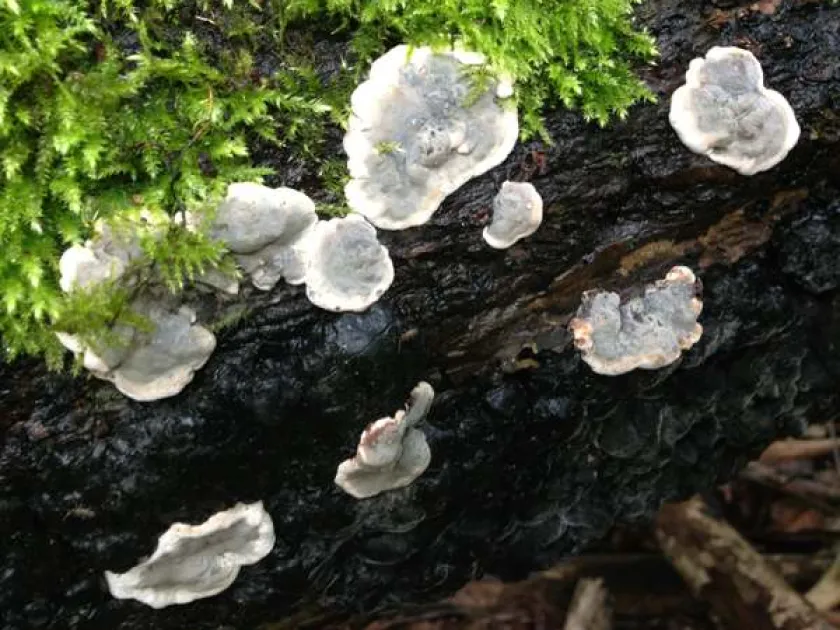
Description
Symptoms
The most distinctive sign of infestation is the emergence of black, hardened, club-like or crust-like fungal fruiting bodies at the tree's base or on exposed roots.
Tree canopy health often shows a decline, characterized by early senescence of leaves, yellowing, and thinning of the foliage during the growing season.
Cracking of the bark, localized necroses, and the presence of white-rot indicators within the wood tissues are common in advanced stages of the infection.
The affected wood often exhibits a light, bleached, or spongy consistency, sometimes marked by distinct dark lines that delineate the fungal decay zone.
Branch dieback is a frequent indicator of deep-seated internal rot, which limits the tree's ability to transport water and essential nutrients from the roots to the leaves.
Pathogen
The causative agent of this disease is the fungus Kretzschmaria clavus, which belongs to the Xylariaceae family. It is a wood-decaying pathogen that primarily affects the structural integrity of trees.
The fungus develops fruiting bodies known as stromata, which appear as small, club-shaped, or flat black structures emerging from the bark or the base of the trunk.
These spores are primarily disseminated by wind, rain, or human activity, colonizing the host plant through fresh wounds, pruning cuts, or root abrasions.
Once established, the mycelium penetrates the vascular system, effectively colonizing the sapwood and heartwood, where it decomposes lignin and cellulose.
The survival of Kretzschmaria clavus is exceptionally high, as it can remain dormant within dead or dying wood for many years, waiting for optimal humidity to proliferate.
Conditions for development
The proliferation of Kretzschmaria clavus is strongly linked to high moisture environments and soils with poor drainage, which favor spore germination.
Trees that are already stressed by drought, nutrient deficiencies, or mechanical injury provide a primary target for this opportunistic fungal pathogen.
Overcrowded plantations or dense landscapes where air circulation is restricted create stagnant microclimates that keep bark surfaces damp for longer periods.
Human activities, such as lawnmower damage to tree bases or improper pruning, play a major role in creating entry points for the fungal spores.
Accumulated leaf litter and rotting organic debris around the base of the tree serve as a constant source of inoculation, increasing the risk of infection.
Why it matters
The primary risk associated with this pathogen is structural failure, as root and base rot compromise the tree's stability, leading to sudden wind-throw.
Infected trees suffer from a gradual reduction in physiological performance, ultimately leading to their premature death and loss of aesthetic value.
The fungus can spread between neighboring trees via root grafts, effectively creating an infection epicenter that can devastate an entire row or stand of trees.
The economic impact is significant for forest management and commercial orchards, as infected trees cannot be easily salvaged or treated for timber use.
The necessity of removing large, mature trees due to decay causes significant disruption to garden landscapes and requires substantial effort for site rehabilitation.
Protection
Sanitation is the most effective approach: removing infected trees, including the root system, is critical to stop the spread of the fungus.
Protecting trees from mechanical wounds is essential; any cuts or injuries to the bark should be treated immediately with appropriate fungicides or wound dressings.
Maintaining high tree vigor through proper irrigation and fertilization helps the tree develop its own natural defenses against fungal colonization.
Implementing proper soil drainage and ensuring good aeration in the landscape can significantly reduce the risk of humidity-loving fungal pathogens.
- Regular inspection of the base of the tree for signs of black stromata.
- Safe disposal of infected wood by burning or professional removal.
- Strategic planting of resistant species in high-risk areas.
Discussion
No discussions yet — be the first.