
Keissleriella culmifida
Keissleriella culmifida
Description
Symptoms
Symptoms typically manifest as discolored lesions or streaks on the stems and leaf sheaths, varying in color from light brown to dark necrotic zones.
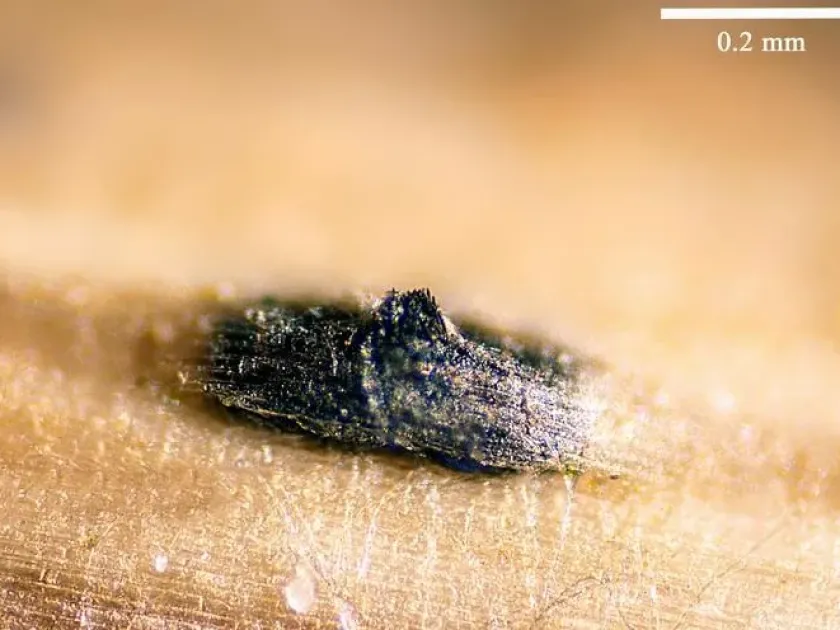
Upon close inspection with a magnifying lens, tiny black fruiting bodies (pseudothecia) can be observed scattered across the affected stem surface.
Infection often leads to the premature yellowing and eventual necrosis of lower leaves, which can be mistaken for natural senescence by inexperienced observers.
Weakened stems may exhibit signs of wilting or bending, as the fungus degrades the structural integrity of the plant's epidermis and vascular tissues.
The progression of the disease is often systemic within the culm, causing localized tissue collapse that limits the transport of nutrients to the developing grain.
Pathogen
Keissleriella culmifida is a filamentous fungus belonging to the order Pleosporales, known for causing infections in the stems of cereal crops.
This pathogen reproduces through the formation of pseudothecia, which are fruiting bodies that develop on infected crop residues or weakened plant tissues.
The lifecycle is largely driven by the production of ascospores, which are released into the air under specific environmental triggers and spread to new hosts.
As a hemibiotroph, the fungus initially colonizes the host tissue before transitioning to a necrotrophic stage, causing visible damage to the plant's structure.
It persists in the soil and on crop debris, making it a persistent threat in regions where crop rotation practices are not strictly observed.
Conditions for development
The development of Keissleriella culmifida is highly dependent on periods of high humidity and moderate temperatures during the growing season.
Frequent rainfall events provide the necessary moisture for the germination of ascospores and subsequent colonization of the host plant tissues.
Poorly ventilated, dense crop stands facilitate the accumulation of moisture in the lower canopy, which is conducive to the rapid spread of the fungus.
Agricultural environments with significant surface residues from previous harvests offer ideal overwintering sites for the pathogen to thrive.
Prolonged spring rains, particularly during the stem elongation stage of cereals, create the most critical window for widespread infection across fields.
Why it matters
The primary impact of this disease is the structural weakening of cereal stems, which significantly increases the risk of lodging during strong winds.
Nutrient flow restriction caused by stem colonization leads to reduced grain filling, resulting in shriveled kernels and lower test weight of the harvested crop.
Economic losses arise not only from reduced grain yield but also from the overall decline in crop quality, which may affect marketability and processing value.
Secondary infections often take advantage of the necrotic lesions caused by Keissleriella culmifida, further compromising the health of the cereal stand.
In high-intensity farming systems, failure to manage this pathogen can lead to cumulative yield suppression that becomes increasingly difficult to recover.
Protection
Effective management begins with robust crop rotation strategies that break the pathogen's lifecycle by avoiding susceptible host plants in consecutive seasons.
Deep tillage practices are highly recommended to bury infected crop residues, thereby accelerating their decomposition and reducing the initial inoculum load.
The selection of cereal varieties with documented resistance to stem diseases is the most sustainable approach to minimizing the impact of Keissleriella culmifida.
Systemic fungicides, applied at the appropriate growth stage, can provide effective control when environmental conditions favor disease outbreaks.
Balanced nutrient management, specifically avoiding nitrogen excess while ensuring adequate potassium, helps strengthen plant cell walls against fungal invasion.
Discussion
No discussions yet — be the first.