
Jackrogersella multiformis
Jackrogersella multiformis
Description
Symptoms
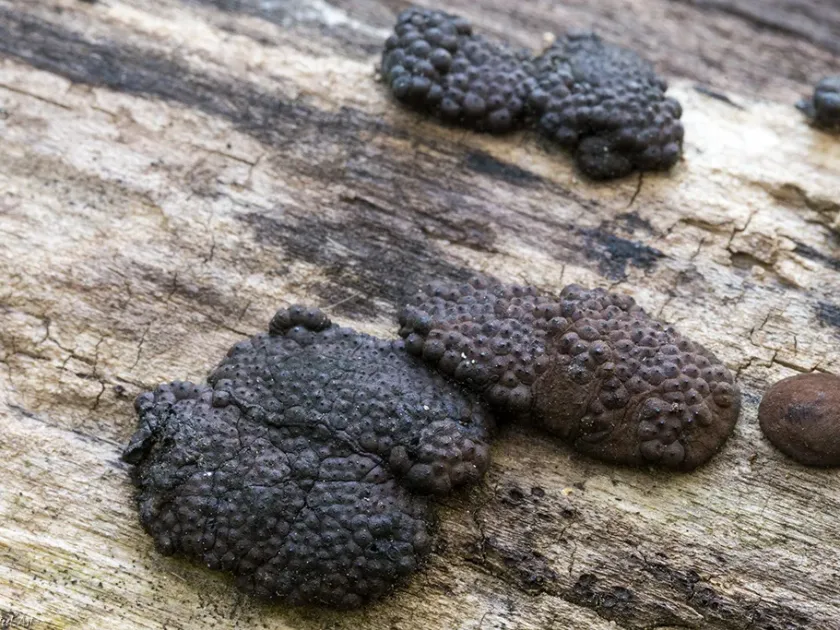
The presence of Jackrogersella multiformis is identified by the formation of irregular, black, crust-like stromata on bark.
These structures often appear as bumps or flattened patches that turn from brown to coal-black as the fungus matures.
Bark around the affected areas may appear dead, cracked, or sloughing off, revealing underlying wood affected by white rot.
Small pimple-like bumps can be observed on the surface of the stromata, which are the exit points for fungal spore discharge.
Infection is most commonly found on the branches and trunks of hardwood trees, particularly after they have sustained prior damage.
Pathogen
The fungus Jackrogersella multiformis, formerly known as Hypoxylon multiforme, is a member of the Ascomycota division.
While primarily acting as a saprotroph that breaks down dead organic matter, it can opportunistically colonize stressed or weakened trees.
The fungus develops dense, crust-like structures called stromata, which contain the perithecia where spores are produced.
These spores are primarily dispersed by wind and rain, allowing the fungus to spread across suitable host environments effectively.
It is specialized in decomposing lignin and cellulose, playing a significant role in the natural decomposition of woody debris in forests.
Conditions for development
High humidity and moisture are critical requirements for the successful germination and colonization of the fungus.
The pathogen thrives in crowded forest stands or gardens where air circulation is poor and moisture levels remain elevated.
Trees stressed by environmental factors, such as drought, frost, or physical wounding, are significantly more susceptible to infection.
Wounds, pruning cuts, and insect-damaged bark serve as primary entry points for the fungal mycelium to penetrate the host tissue.
Favorable growth conditions are typically found during cool, damp weather patterns in the spring and autumn months.
Why it matters
The fungus causes extensive white rot, which degrades the structural integrity of the tree's wood significantly.
This structural degradation increases the risk of limb breakage and tree failure, posing a safety hazard in managed landscapes.
By interfering with the tree's vascular system, the infection can cause dieback of limbs and overall tree decline over time.
Affected trees become less resilient to weather extremes and may succumb to secondary pests or diseases more easily.
The fungus can spread to nearby healthy trees if sanitation measures are not effectively implemented within the affected area.
Protection
Effective management begins with maintaining high plant vigor through proper watering, fertilization, and avoiding environmental stress.
Sanitation is key; promptly remove and destroy dead or heavily infected wood to reduce the local spore count.
Always sterilize pruning tools between different trees to prevent the mechanical transmission of fungal spores.
Treat pruning wounds with appropriate sealants or fungicides to create a barrier against opportunistic fungal colonization.
Monitor high-value trees regularly for signs of bark abnormalities and address potential stress factors as soon as they arise.
Discussion
No discussions yet — be the first.