
Alfalfa mosaic virus
Italian alfalfa witches' broom phytoplasma
Description
Symptoms
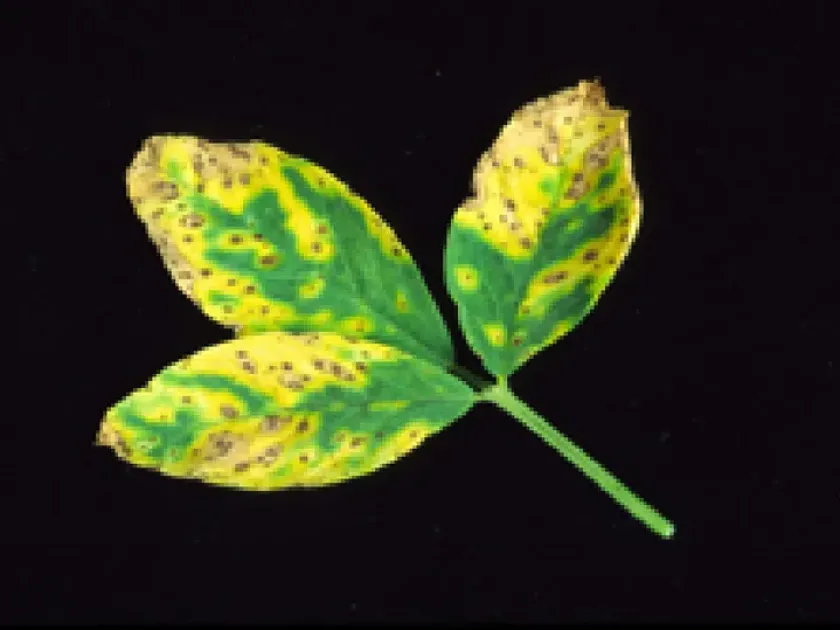
The most distinctive symptom of AMV infection is the development of a mosaic pattern on leaves, appearing as alternating shades of light green and yellow.
Infected plants frequently exhibit foliage distortion, such as leaf curling, crinkling, or stunted growth, which severely affects the plant's architecture.
Some hosts display necrotic spots or ring patterns on leaves, which may eventually lead to premature senescence and leaf abscission.
Systemic infection often results in significant dwarfism and reduced internode length, leading to a thin and patchy stand in alfalfa fields.
Symptom expression is highly variable and depends heavily on the specific viral strain, the plant species affected, and prevailing environmental conditions.
Pathogen
Alfalfa mosaic virus (AMV) is a widespread plant pathogen belonging to the genus Alfamovirus within the Bromoviridae family.
The virus is characterized by a tripartite genome composed of single-stranded RNA, protected by bacilliform particles of varying lengths.
It is known for its exceptionally broad host range, infecting more than 600 plant species including various legumes, vegetables, and ornamental plants.
AMV is highly persistent and can survive in perennial weed hosts and seeds, which serves as a major reservoir for primary infection in new fields.
Transmission occurs efficiently through mechanical contact, seeds, and by numerous aphid species in a non-persistent manner.
Conditions for development
Warmer weather conditions accelerate the movement and reproduction of aphids, which act as the primary vectors for field-to-field spread of the virus.
The disease cycle is often maintained by overwintering viruses in perennial hosts and infected seeds, providing a source of inoculum early in the season.
Poor agricultural practices, such as failing to manage perennial weeds or planting contaminated seeds, significantly increase the risk of an epidemic.
Moist conditions in the early growth stages of the crop may favor the buildup of virus populations within the host plant tissues.
The proximity of susceptible vegetable crops or leguminous cover crops to alfalfa fields significantly increases the chances of cross-infection.
Why it matters
Alfalfa mosaic virus causes substantial economic losses by reducing both the biomass yield and the nutritional quality of the forage.
In pulse crops, the virus significantly lowers grain yield and impairs seed quality, which is particularly detrimental for seed multiplication programs.
Physiological processes such as photosynthesis are disrupted, leading to weakened plant vigor and increased susceptibility to secondary stresses.
Infected plants are often less winter-hardy and may fail to survive through severe weather conditions compared to healthy counterparts.
The systemic nature of the infection makes affected plants unproductive, often necessitating premature replanting of the infected field sections.
Protection
The most effective management strategy is the use of high-quality, certified, virus-free seeds to prevent the introduction of the virus into fields.
Implementing a strict spatial separation between alfalfa stands and other susceptible vegetable or legume crops is vital for disease prevention.
Effective weed management, particularly targeting known reservoir plants in field margins, helps reduce the initial inoculum load in the landscape.
Monitoring aphid populations and applying targeted insecticides during peak migration periods can help mitigate the secondary spread of the virus.
Maintaining crop rotation practices and ensuring the removal of infected crop residues significantly contributes to a cleaner field environment.
Discussion
No discussions yet — be the first.