
Inocybe patouillardii
Inocybe patouillardii
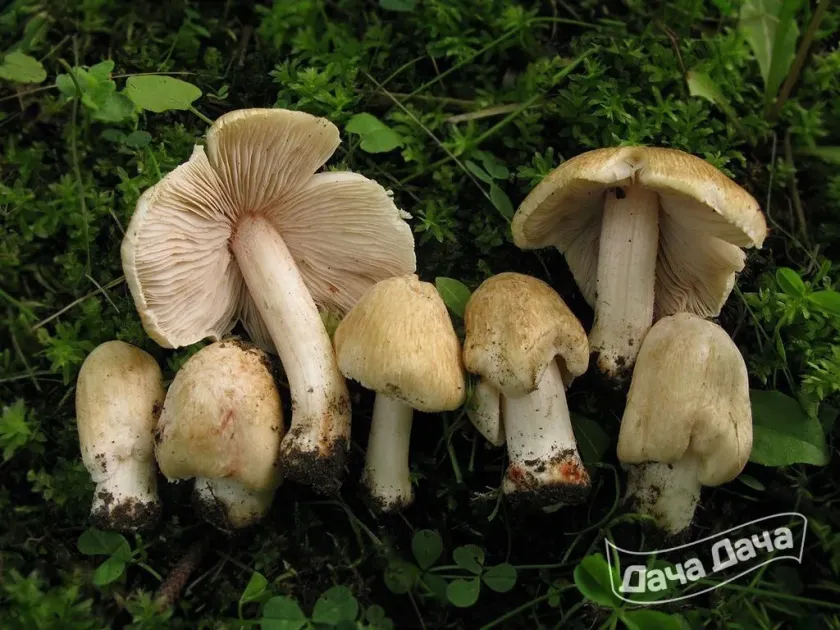
Description
Pathogen
Inocybe patouillardii is not a plant pathogen. It is a mycorrhizal fungus belonging to the Inocybaceae family, commonly found in gardens, parks, and woodlands under broad-leaved trees.
Biologically, this fungus establishes a symbiotic relationship with tree roots. It does not cause diseases such as wilting, root rot, or necrosis in cultivated plants, thus it is not a concern for agronomic plant health.
The fungus is characterized by a conical cap that becomes flat with age, often showing radial cracks. Its gills are initially pale, turning olive-brown as the spores mature.
The primary concern regarding this organism is its extreme toxicity. It contains high levels of muscarine, a neurotoxin that can be lethal to humans if ingested, even in small quantities.
In an agricultural context, identifying this fungus is vital for safety rather than disease management. It is a natural part of the soil ecosystem that requires no phytosanitary control measures.
Conditions for development
The development of Inocybe patouillardii is favored by moist, nutrient-rich soil. It is frequently observed growing in the root zones of trees where it forms mycorrhizal networks.
The peak fruiting period occurs throughout the late spring and summer months. The fungus thrives in shaded areas where consistent moisture is maintained by canopy cover or heavy mulching.
Spores are dispersed by wind and can travel significant distances before settling. If the environmental conditions are right, such as adequate humidity and substrate availability, they germinate to form new mycelia.
The fungus prefers mild to warm temperatures. It is highly sensitive to extreme desiccation, which is why it is almost exclusively found in sheltered, moist environments.
Rich organic matter in the soil provides the necessary environment for the fungus to persist. Its presence is often a sign of healthy soil, though its toxicity makes it unwelcome in domestic spaces.
Why it matters
The primary harm associated with Inocybe patouillardii is its severe toxicity to humans and animals. Ingestion leads to muscarine poisoning, which requires immediate medical intervention.
There is no evidence that this fungus negatively impacts crop yield or plant health. It does not compete for nutrients in a way that harms the development of vegetable or fruit crops.
The main risk is the accidental consumption by people who mistake it for edible mushroom species. Children and pets are particularly at risk when playing in areas where these fungi fruit.
Agronomists and gardeners should treat its presence as a safety warning. Avoiding any interaction with the fruiting bodies is the safest practice for anyone managing the area.
While not an economic pest, it is a significant safety hazard. Keeping the garden free of this mushroom is recommended to ensure the safety of all individuals utilizing the space.
Protection
Chemical control is neither recommended nor effective against Inocybe patouillardii, as it is not a plant pathogen. Pesticides or fungicides should not be used against this fungus.
Mechanical removal of the fruiting bodies is the most effective approach. By gathering and disposing of them carefully, the risk of accidental ingestion is minimized significantly.
Improving air circulation and drainage in the root zones of trees can create a less hospitable environment for the fungus, potentially reducing its frequency of appearance.
Clearing away excessive leaf litter or decaying woody debris in areas where children play can help prevent the colonization of these spots by the fungus.
Education is the best form of prevention. Ensuring that anyone working in the garden can identify this dangerous fungus is essential for long-term safety and risk mitigation.
Discussion
No discussions yet — be the first.