
Hysterographium
Hysterographium
Description
Symptoms
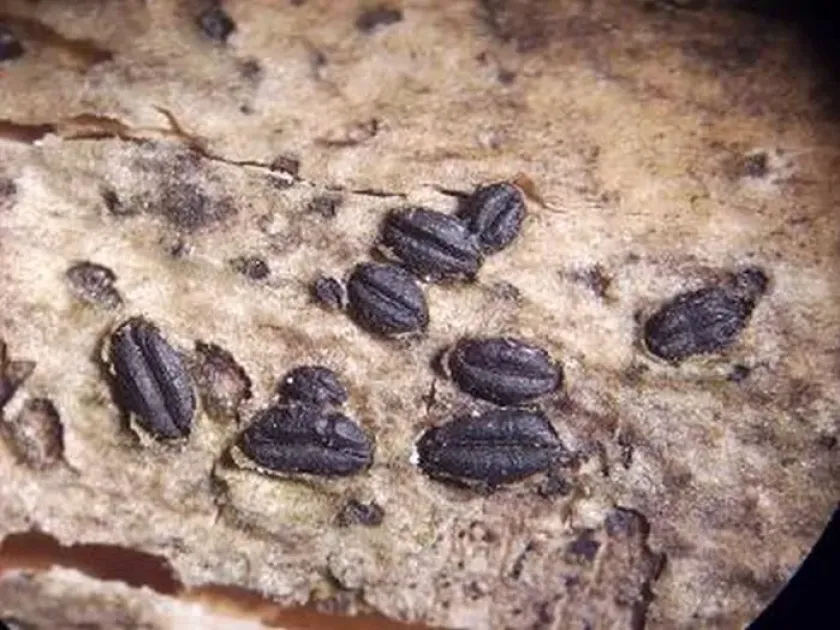
The most prominent symptom is the presence of numerous small, black, linear, and slit-like fruiting bodies visible on the surface of the tree bark.
Infected areas of the bark often exhibit signs of necrosis. The bark may crack, dry out, and eventually start to peel away from the wood surface.
Dieback of branches or twigs is common, leading to a visible thinning of the tree crown. Leaves on affected branches may turn yellow and drop prematurely.
Deep infection of the cortical layers results in internal tissue discoloration, often appearing as dark or brownish spots under the outer bark.
As the disease progresses, the overall vitality of the tree declines, and the bark becomes brittle and physically compromised in the infested areas.
Pathogen
The disease is caused by fungi of the Hysterographium genus, which belong to the Ascomycota phylum. A well-known representative of this group is Hysterographium fraxini.
These fungi are primarily saprotrophic or weakly pathogenic organisms that colonize the bark and cambium layers of weakened trees.
The fungus produces distinctive fruiting bodies known as hysterothecia. These are elongated, black, and leathery structures that emerge through the bark surface.
The reproductive cycle involves the release of ascospores from these fruiting bodies, which are then dispersed by wind and rain to infect new tissues.
The mycelium grows into the inner tissues of the bark, gradually breaking down the biological defenses of the tree and creating a network of hyphae.
Conditions for development
High humidity and mild temperatures are the primary environmental drivers for the development and spread of Hysterographium species.
Trees that are weakened by environmental stressors, such as drought, nutrient deficiency, or poor site conditions, are much more susceptible to colonization.
Mechanical injuries, including frost cracks, sunburn, and pest-induced wounds, serve as the primary entry points for fungal spores to infiltrate the bark.
Densely planted areas with poor air circulation often retain moisture longer, creating a microenvironment conducive to fungal growth on the bark surface.
Accumulated organic debris, such as fallen branches and dead wood left on the ground, can serve as a persistent reservoir for the pathogen.
Why it matters
The pathogen disrupts the flow of nutrients and moisture within the tree by damaging the conducting tissues located just beneath the bark.
This weakening effect makes the tree significantly more vulnerable to secondary infestations by boring insects and other pathogenic organisms.
It reduces the aesthetic value of ornamental trees and can lead to timber quality degradation in forests and orchards due to wood decay.
Severe infestations cause massive branch dieback, which may require heavy pruning or even the total removal of the affected tree to save surrounding ones.
Long-term impact on the health of the tree leads to stunted growth, reduced vigor, and a significantly higher mortality risk during periods of environmental stress.
Protection
The best defense is maintaining tree vigor through appropriate fertilization, irrigation, and avoiding physical damage to the trunk and branches.
Sanitation is critical: prune and remove infected branches immediately, ensuring all cuts are disinfected and sealed with appropriate wound dressing.
Apply copper-based fungicides during the dormant season as a preventative measure to reduce the overwintering spore population on the bark.
Ensure proper spacing in orchards and plantations to improve airflow, which helps keep the bark surface dry and inhibits fungal spore germination.
Regular monitoring allows for the early detection of the disease, enabling prompt action to prune away localized infections before they spread to the main trunk.
Discussion
No discussions yet — be the first.