
Hysterium pulicare
Hysterium pulicare
Description
Symptoms
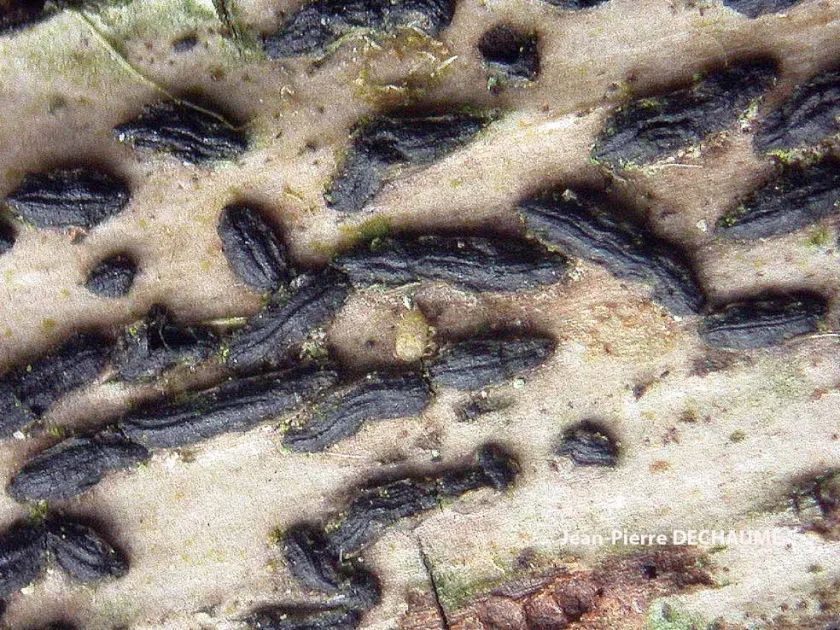
The primary symptom of an infection is the appearance of small, black, elongated growths on the bark surface. These fruiting bodies often cluster together, creating a peppered or crusty appearance on twigs and branches.
As the fungal colony develops, the surrounding bark may begin to show fine longitudinal cracks. These fissures indicate that the fungus is penetrating deeper into the periderm, often leading to a dull or necrotic appearance of the bark tissue.
In cases of advanced infestation, the affected bark may turn a grayish or ashen color. Eventually, the bark may lose its structural integrity and begin to flake off in small patches, exposing the underlying woody tissue to environmental stress.
The infection is most commonly found on the shaded, lower branches of trees, where humidity levels remain higher for longer periods. Because of this, the symptoms can remain hidden until the infection is already well-established.
Visible symptoms often persist for several years, as the tough fruiting bodies are highly resistant to environmental degradation and continue to release spores periodically under favorable conditions.
Pathogen
The causal agent of this disease is the fungus Hysterium pulicare, which belongs to the class of Ascomycetes. This microorganism primarily exists as a saprotroph on dead wood but can act as an opportunistic pathogen when a tree is stressed or damaged.
The life cycle of the fungus is characterized by the production of distinctive fruiting bodies known as hysterothecia. These structures are elongated, black, and resemble small insects or grains, which is the origin of the species' name. They typically measure between 1 and 2 millimeters in length.
The fungus propagates through the release of ascospores, which are dispersed by wind currents. Upon landing on damaged bark or weakened branches, these spores germinate to form mycelium that colonizes the superficial layers of the wood.
Hysterium pulicare is widespread across temperate regions and can infect a variety of deciduous tree species, including oak, beech, and birch. It is a common inhabitant of forest ecosystems and managed landscapes alike.
As a fungus, it thrives by utilizing the organic nutrients found in the bark. While it often colonizes decaying wood, its transition to living branches usually occurs through existing cracks or wounds, signaling an imbalance in the plant's health.
Conditions for development
The development of Hysterium pulicare is highly dependent on environmental moisture. High relative humidity, persistent fog, and frequent rainfall provide the essential conditions for the maturation of fruiting bodies and the subsequent release of spores.
Temperature plays a significant role in fungal activity, with an optimal range between 15 and 22 degrees Celsius. However, the fungus is robust enough to endure cold spells, remaining dormant until temperatures return to favorable levels.
Poor air circulation within the tree canopy creates a stagnant microclimate that encourages fungal growth. This is particularly problematic in dense planting configurations where branches overlap and light penetration is minimal.
Physical injuries, such as frost cracks, sunscald, or mechanical wounds from maintenance activities, act as primary infection courts. These weakened points in the bark barrier allow the fungus to establish its mycelial network effectively.
Trees that are already under stress due to nutrient deficiency, drought, or poor soil drainage are significantly more susceptible to colonization. A tree's natural defense mechanisms are often overwhelmed when environmental stressors are combined with fungal presence.
Why it matters
The primary damage caused by Hysterium pulicare is the structural weakening of branches. As the fungus consumes organic matter within the bark, the branches become brittle and are prone to breaking under snow loads or during high winds.
While the fungus is often considered secondary, its long-term presence leads to the gradual dieback of infected twigs. This reduces the overall photosynthetic capacity of the tree and diminishes its aesthetic value in landscape settings.
An infestation creates an entry point for other opportunistic pathogens, including bacteria and more aggressive wood-decaying fungi. This synergistic effect can accelerate the decline of an otherwise healthy tree.
In nursery environments, the presence of this fungus can render plant material unsuitable for sale due to the unsightly appearance and potential risk of spreading the infection to other healthy specimens.
The accumulation of spores within a garden acts as a persistent reservoir of inoculum, making it difficult to maintain tree health if preventive measures are not taken promptly after the first signs of infection.
Protection
Sanitation is the most critical management strategy. All branches displaying signs of Hysterium pulicare should be pruned back to healthy wood and removed from the site to minimize the buildup of spore-producing structures.
Proper plant care, including balanced fertilization and adequate watering, helps the tree maintain a robust bark barrier. Vigorous trees are far less likely to succumb to opportunistic fungal infections than those that are stressed.
Fungicides, particularly those based on copper, can be used as a preventative measure. Applications are most effective when performed during the dormant season or early spring to protect susceptible bark surfaces.
If the fungus is detected on larger branches or the main trunk, careful excision of the affected area down to clean, live tissue is recommended. The wound should then be treated with a suitable wound sealant or fungicide to prevent re-colonization.
Routine monitoring is essential for early detection. By identifying and removing localized infections early in the season, you can effectively manage the disease and maintain the long-term health and vitality of your trees.
Discussion
No discussions yet — be the first.